April 2, 2026
How To Source Construction Chemical At Lowest Cost During War ?
What Is the Impact of the US-Iran War on Construction Chemical Prices and Availability ? The US-Iran conflict that escalated...


As infrastructure projects multiply across the Middle East, Africa, and Southeast Asia, the global trade in building materials — cement, steel, and natural stone — continues to expand. These are the materials that build nations, but for importers, they also test logistics, documentation, and financial control.
But importing these commodities isn’t simply about price negotiation. For global buyers, success depends on precision, consistency, and export discipline — from shipment calibration and packaging standards to logistics predictability and documentation accuracy.
For importers and distributors handling these bulk commodities, GCC functions as a trusted export-grade supplier, integrating packaging, labeling, and logistics control under one supply system that ensures delivery precision and documentation transparency across continents
Global Market Snapshot: The Trade Backbone of Construction
“The combined trade of cement, steel, and stone represents one of the largest global material segments — valued at USD 540+ billion (2024) and growing at an average CAGR of 3.9%.
While India, China, and Turkey dominate exports, buyers across Africa and the Gulf region now increasingly prefer Indian suppliers for their balance of price stability, quality documentation, and flexible MOQs.
| Material | Global Export Share (2024) | Top Exporting Nations | Key Import Regions) |
|---|---|---|---|
| Cement & Clinker | 13% | Vietnam, India, UAE | East Africa, SE Asia, GCC |
| Steel (Bars, Coils, Beams) | 48% | China, India, Japan, Korea | MENA, Africa, Europe |
| Natural Stone | 12% | India, Turkey, Italy | US, GCC, SE Asia |
Read more about GCC’s Building Material Division →
What Typically Erodes Importer Margins ?
Distributors importing building materials know that margin isn’t lost at the negotiation table — it’s lost in documentation gaps, port delays, or inaccurate labeling.
| Common Problem | Impact on Importers | How GCC Prevents It |
|---|---|---|
| Weight Variance | Customs hold, LC dispute | Pre-loading calibration & certified weighbridge documentation |
| Incomplete Labeling | Cargo mix-ups, rejection | Multi-level labeling (material type, batch ID, consignee, HS code) |
| Moisture/Rust in Steel | Product damage | Protective coatings & sealed shipping crates |
| Delayed Export Docs | Port storage penalties | 100% verified document handover before vessel cutoff |
| Limited Load Optimization | High freight-per-ton ratio | Multi-material container consolidation |
Product Categories and Standards
Importers today handle diversified materials across structural and decorative applications. GCC supplies export-ready building materials that meet global compliance benchmarks and are supported by full documentation and labeling control.
| Category | Product Range | Technical Benchmark / Standard |
|---|---|---|
| Cement & Clinker | OPC 43/53 Grade, PPC, Sulphate-Resistant, White Cement | IS 269 / EN 197-1 / ASTM C150 |
| Steel | TMT Bars, Wire Rods, Coils, Beams, Channels, Plates | IS 1786 / ASTM A615 / EN 10025 |
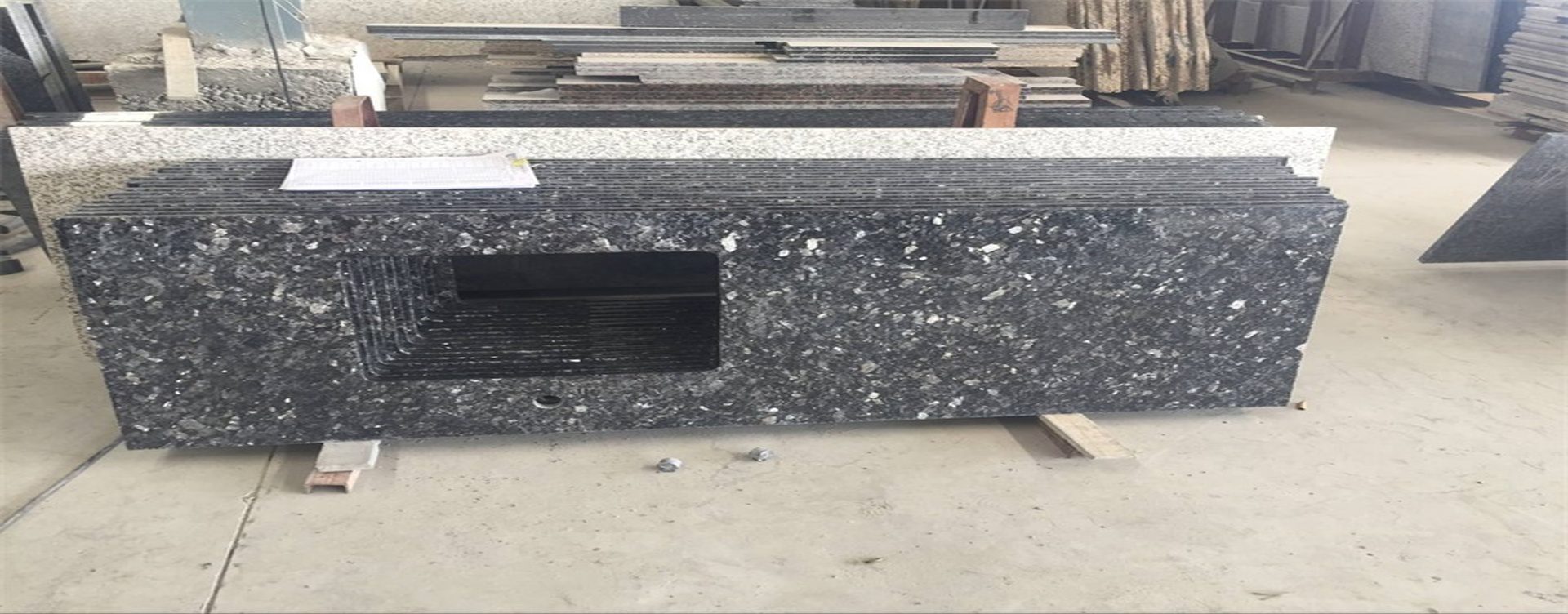
| Natural Stone | Granite, Marble, Sandstone | BS EN 1469 / IS 14223 / ±1 mm Calibration |
Each shipment is export-certified and trace-labeled — every bag, coil, and crate carries a unique material code and consignee reference to ensure zero ambiguity in customs or site receipt.
Read more about GCC’s Granite, Marble & Sandstone Range →
Labeling & Packaging: Small Detail, Major Impact
In building-material exports, labeling is not decorative — it’s strategic. A clear and compliant label can prevent customs disputes, demurrage penalties, and unloading confusion.
GCC applies multi-level labeling for each product category :
| Label Level | Details Included |
|---|---|
| Primary (Unit/Bag) | Product name, batch number, weight, and origin |
| Secondary (Pallet/Crate) | Consignee name, HS code, PO number, country of destination |
| Container Label | Gross/net weight, HS code summary, material description, seal reference |
Each label is printed in accordance with import-country requirements (Arabic/French/English) and adheres to IMO cargo labeling for bulk materials.
Freight & Delivery: Turning Weight Into Predictability
Shipping building materials demands more than logistics — it requires synchronization.GCC integrates freight optimization, cargo stacking, and documentation coordination under one supply system, ensuring that importers receive cost-efficient, predictable delivery timelines.
| Parameter | GCC Export Performance |
|---|---|
| On-Time Dispatch | 95%+ consistency |
| Avg. Lead Time | 21–28 days (Port-to-Port) |
| Freight Mode | FCL / Break Bulk / Bulk Vessel |
| Damage Rate | <1% with reinforced strapping |
| Shipment Tracking | Digital milestone-based updates |
Each shipment is supported by a unified export pack :
COO, invoice, packing list, bill of lading, inspection certificate, moisture test, mill certificate, and loading photos — all digitally verified before departure.
Regional Trade Comparison (India vs. Others)
| Exporting Region | Average FOB Price (USD/MT – Cement) | Shipping Lead Time to GCC | Key Importer Preference |
|---|---|---|---|
| India | 42–46 | 15–20 days | Documentation accuracy & mixed-SKU flexibility |
| Vietnam | 40–44 | 25–30 days | Low-cost high-volume supply |
| Turkey | 47–50 | 18–22 days | Strong in white cement & limestone |
| China | 39–42 | 30+ days | Scale, but longer transit and variable QC |
India remains a balanced sourcing base — cost-competitive yet logistically closer to Gulf and East African ports. Importers favor suppliers who can ship smaller, consistent lots quickly, not just the cheapest options.
Why Importers Partner With GCC for Building Materials ?
Over the years, GCC has established itself as a reliable export partner for global importers managing high-volume shipments.
The key differentiator isn’t volume — it’s visibility and precision.
| What Importers Value | How GCC Delivers It |
|---|---|
| Verified QC & Documentation | Multi-stage inspection with digital traceability |
| Labeling & Packaging Precision | HS code, consignee, and origin labeling for every crate |
| Freight Optimization | Multi-material loading & cost-efficient routing |
| Market Understanding | Pricing intelligence & trade compliance insight |
GCC’s end-to-end system helps importers manage cement, steel, and stone as one integrated export category — reducing fragmentation, documentation duplication, and freight risk.
Final Word: Control the Process, Not Just the Price
In the Building-material trade, success isn’t defined by who ships the cheapest — it’s defined by who delivers the most control.
For importers handling cement, steel, and stone across markets, GCC ensures traceable quality, compliant labeling, freight discipline, and transparent communication — all under one export process.
With GCC, every ton shipped comes with something heavier — trust, documentation, and delivery certainty.
Explore GCC’s complete Building Materials & Heavy Export Range →
References
Global Cement & Steel Market 2024–2030





 1
1
 0
0 0
0 0
0