April 2, 2026
How To Source Construction Chemical At Lowest Cost During War ?
What Is the Impact of the US-Iran War on Construction Chemical Prices and Availability ? The US-Iran conflict that escalated...

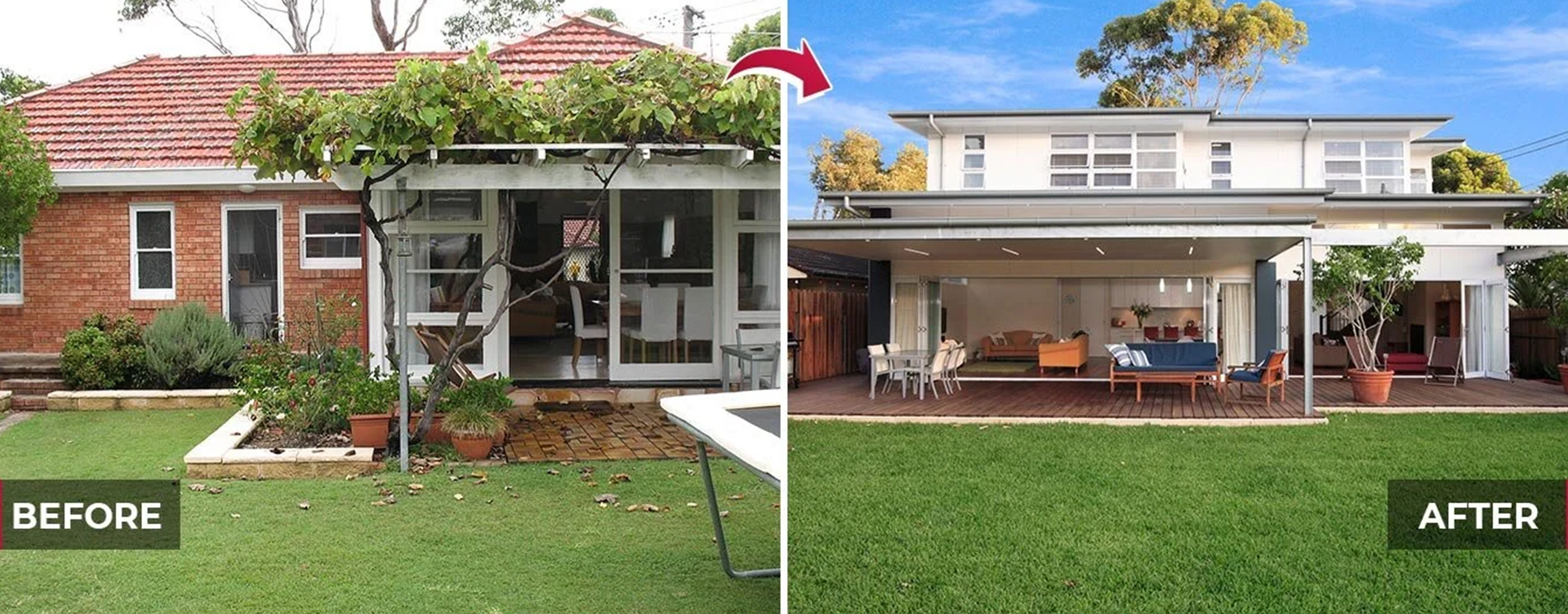
From Roofs to Facades : How Modern Cement Sheets Are Replacing Meta, Asbestos and Laminates ?
Modern cement sheets – corrugated roofing sheets, flat cement boards and fibre – cement panels – are no longer just a low – cost substitute; they are now a primary design choice for roofs, facades and partitions in industrial, commercial and residential projects. They increasingly replace metal roofing, legacy asbestos sheets and, in some areas, even laminates and other cladding systems, because they offer a better balance of fire safety, durability, thermal comfort and lifecycle cost. As a supplier and manufacturing – aligned export partner from India, GCC positions cement sheets as a scalable, export – grade solution for buyers who want to standardise on non – combustible, long – life envelopes across multiple projects.
1. Where Cement Sheets Are Used Today – and What They Replace ?
Cement sheets can be used wherever the project needs a rigid, weather – resistant, non – combustible surface. In many of these uses, they either replace or complement metal sheets, asbestos roofs, laminates, HPL panels and even certain masonry or gypsum systems.
1.1 Usage vs Existing Materials – High – Level Map
| Application Zone | Traditional Materials Used | How Cement Sheets Fit / Replace |
|---|---|---|
| Industrial & warehouse roofing | GI/PPGI metal sheets; asbestos (legacy) | Corrugated cement sheets replace asbestos and part of metal roofs, improving thermal and acoustic comfort, reducing corrosion issues. |
| Agricultural & livestock buildings | Thin metal roofing; asbestos; thatch | Corrugated sheets offer cooler, quieter roofs, resistant to ammonia and humidity. |
| Rural & low – cost housing roofs | Asbestos, metal sheets, local tiles | Fibre – cement roofing replaces asbestos and thin GI, giving safer, longer – life roofs. |
| Prefab cabins & site offices | Metal sandwich panels, GI sheets, plywood | Cement boards used for walls/roof skins; better fire and impact performance in many cases. |
| Exterior cladding & facades | Metal cassettes, ACP, HPL, plastered brick | Fibre – cement panels replace or complement metal/HPL, giving non – combustible facades with varied finishes. |
| Interior partitions (wet/hard – use) | Brick, block, gypsum boards | Fibre – cement boards replace brick in fast – track jobs and gypsum in wet or high – impact zones. |
| Tile backer in wet areas | Cement plaster, gypsum boards | Fibre – cement boards form a more stable, moisture – resistant tile backer. |
| Soffits & eaves | Plywood, PVC, metal | Flat cement sheets replace wood/PVC where fire and moisture resistance are critical. |
| Cold storage & utility shells | Metal sandwich panels, masonry | Fibre – cement cladding offers non – combustible skins; often used with insulation. |
| Asbestos replacement projects | Asbestos sheets | Fibre – cement sheets are direct replacements, meeting modern health and safety requirements. |
This is the positioning context: we are not just “one more roofing sheet” supplier; we are offering a modern cement – sheet system that can be specified wherever metal, asbestos or laminates are sub – optimal on safety, comfort or lifecycle.
Read More About GCC’s Tiles Product Range
2. Why Cement Sheets Are Durable and Cost – Effective for Importers ?
From a buyer’s perspective, the decision is about performance over time, not just initial price.
2.1 Performance & Lifecycle vs Traditional Materials
| Parameter | Cement Sheets / Fibre – Cement Boards | Metal Sheets (GI/PPGI) | Asbestos Sheets (legacy) | Laminates / HPL Cladding |
|---|---|---|---|---|
| Fire behaviour | Non – combustible; typically meets A2 – class or similar under EN systems | Non – combustible but conducts heat quickly; can deform | Non – combustible but banned/controlled due to health risk | Depends on system; organic core, often more sensitive to fire regulations |
| Thermal comfort | Better than thin metal; lower daytime heat gain | High heat gain; hot interiors unless insulated | Similar thermal behaviour; historically acceptable | Driven by underlying wall/insulation, not panel alone |
| Acoustic comfort | Heavier panels reduce rain noise and external sound | Noisy in rain; requires liners for acoustics | Better than thin metal, but hazardous material | Depends on backing system |
| Corrosion/rot | No rust; chemically stable in coastal/industrial air | Needs coating; prone to rust and cut – edge corrosion | No rust, but unsafe for health | Panel itself stable; fixings can corrode |
| Moisture resistance | Good; especially in fibre – cement boards | Metal unaffected but condensation issues possible | Good, but hazardous | Swelling/delamination possible if water penetrates |
| Health & regulation | Asbestos – free; compliant with EN 12467 / IS 14862 etc. | Acceptable; focus on coatings and safety during fabrication | Banned/restricted in many markets | Under stricter fire rules post high – rise facade fires |
| Maintenance | Minimal; repainting optional for aesthetics | Repainting/recoating often required; rust repairs possible | Replacement pressure due to regulation | Periodic inspection of joints, subframe, fire barriers |
| Structural weight | Moderate; needs proper framing | Very light; long spans possible | Comparable to fibre – cement | Moderate; mainly cladding |
For large importers and distributors, the total cost of ownership often favours cement sheets where :
2.2 Typical Cost/Value Positioning (Directional)
| Use Case | Metal / ACP | Cement Sheets / Fibre – Cement | Laminates / HPL |
|---|---|---|---|
| Industrial roofing (per m² installed) | Lower upfront material cost, higher cooling/maintenance | Slightly higher material cost, lower cooling and maintenance over life | Generally not used |
| Mid – range ventilated facades | Metal cassettes/ACP mid – high | Fibre – cement cladding often mid – priced with better fire performance | HPL tends to mid – high; fire compliance variable |
| Interior wet – area partitions | Moisture – resistant gypsum mid – priced | Fibre – cement mid – high but longer life, better impact | Not typical |
Exact numbers depend on local pricing and labour, but the pattern is clear: cement sheets sit between low – end metal and high – end composites on cost, while often outperforming both in safety and lifecycle.
Read More About GCC’s Construction Chemcial Range
3. Market Size: Why Cement Sheets Are a Strategic Category ?
Global fibre – cement boards and sheets are now a major industrial segment.
3.1 Global Market Snapshot
| Metric | Value / Trend |
|---|---|
| Global fibre – cement boards & sheets market size | Projected to reach multi – billion US$ by early 2030s, with steady mid – single – digit CAGR. |
| Main drivers | Asbestos replacement, fire – safe cladding, urban housing, industrial/warehouse expansion. |
| Largest consuming region | Asia – Pacific (India, China, ASEAN), followed by Europe and North America. |
| Fastest – growing segments | Facade/cladding boards and high – performance exterior applications. |
For an importer, this means cement sheets and boards are not a side product; they are a long – term growth line aligned with regulation and sustainability trends.
4. Types of Cement Sheets and Where Each Type Fits
As a supplier with access to manufacturing, we work across the main families of cement sheets.
| Type | Description | Core Uses |
|---|---|---|
| Corrugated cement roofing sheets | Wavy profiles made from cementitious mix with fibres; 4 – 8 mm thick | Industrial/agri roofs, rural roofs, simple cladding |
| Flat cement sheets (plain/compressed) | Flat, dense cement sheets; 4 – 20 mm | Soffits, ceilings, simple partitions, underlay |
| Fibre – cement boards (flat) | Engineered flat sheets with cellulose/synthetic fibres; higher density; typically 6 – 20 mm | Facades, ventilated cladding, partitions, tile backer, wet – area boards |
4.1 Product Types : Read More About GCC’s Furniture Hardware Product Range
4.2 Application vs Type – Practical Table
| Application | Recommended Sheet Type | Notes |
|---|---|---|
| Industrial roofing | Corrugated cement sheets | Replace thin GI and asbestos; better comfort and durability. |
| Farm and livestock sheds | Corrugated cement sheets | Resistant to ammonia, humidity, and harsh cleaning. |
| Low – cost housing roofs | Corrugated cement sheets | Non – combustible alternative to asbestos/metal. |
| Prefab cabins & site offices – outer skins | Corrugated or flat sheets | Often combined with insulation; fast erection. |
| Exterior facades / cladding | Fibre – cement boards | Meet EN/IS facade performance; can be painted/finished. |
| Interior partitions (wet/hard – use) | Fibre – cement boards | Replace gypsum or brick where speed and durability matter. |
| Tile backer boards | Fibre – cement boards | Stable substrate under ceramic/stone tiles. |
| Soffits and eaves | Flat cement sheets | Non – combustible, moisture – resistant ceilings. |
| Refurbishment – asbestos replacement | Corrugated/fibre – cement sheets | Compatible with many existing sub – structures after checks. |
5. Standards and Technical Characteristics Importers Must Check
As a manufacturer – aligned supplier, we build our cement sheet offerings around the main global standards.
5.1 Key Standards
| Standard | Scope | Typical Use |
|---|---|---|
| EN 12467:2012 / EN 12467:2012+A2:2018 | Fibre – cement flat sheets – product specification and test methods; defines categories, mechanical and durability requirements. | European and international projects needing EN compliance (facades, boards). |
| IS 14862:2000 | Fibre cement flat sheets – Indian standard specifying composition, tolerances, bending strength, water absorption and durability. | Indian production exported to Asia, Africa, Middle East; projects aligning to IS codes. |
| ISO 8336 | Fibre – cement flat sheets – performance requirements | Used as reference in multi – jurisdiction projects. |
5.2 Typical Performance Parameters (Indicative Ranges)
| Property | Corrugated Sheets | Flat Sheets | Fibre – Cement Boards | Why It Matters |
|---|---|---|---|---|
| Thickness tolerance | ±0.3 – 0.5 mm | ±0.3 mm | ±0.2 – 0.3 mm | Consistent fit and structural design. |
| Modulus of rupture (MOR) | Moderate | Moderate – high | High (as per EN category A/B) | Impact and span capability. |
| Density | Medium | Medium – high | High | Relates to strength, acoustics and fixings. |
| Water absorption | Controlled to standard limits | Controlled | Controlled; low for exterior – grade | Durability in wet/freeze – thaw conditions. |
| Fire reaction | Non – combustible / A2 – class range | Non – combustible | Non – combustible | Compliance with facade/roof fire codes. |
Exact values depend on category and manufacturer, but we align production with the requirements of EN 12467/IS 14862 or local equivalents for the destination market.
6. Performance, Safety and Compliance – What We Guarantee as a Supplier ?
Because cement sheets are often used in safety – critical applications (facades, roofs, partitions in public buildings), our supply model includes:
This is how we act as both supplier and manufacturing – aligned partner for international buyers, not just a trader.
7. How GCC Supplies Cement Sheets to Global Buyers ?
GCC functions as a structured export partner from India for building – material importers, wholesalers and project buyers in multiple countries. Applied to cement sheets, this means :
7.1 Multi – Plant Sourcing and Customisation
7.2 Integrated Basket for Building – Material Buyers
7.3 Export – Grade Operations
For importers and project buyers, the result is a single window, manufacturer – aligned supply solution for modern cement sheets that :
In a world moving toward non – combustible, durable and regulation – compliant building envelopes, modern cement sheets – and the right export partner behind them – are becoming a central part of the global sourcing strategy for serious building – material buyers.
Citation :
https://www.techsciresearch.com/report/fibre-cement-boards-and-sheets-market/20401.html
https://www.futuremarketinsights.com/reports/fiber-cement-board-market
https://alephindia.in/isi-product/fibre-cement-flat-sheets.php





 0
0
 0
0 0
0 0
0