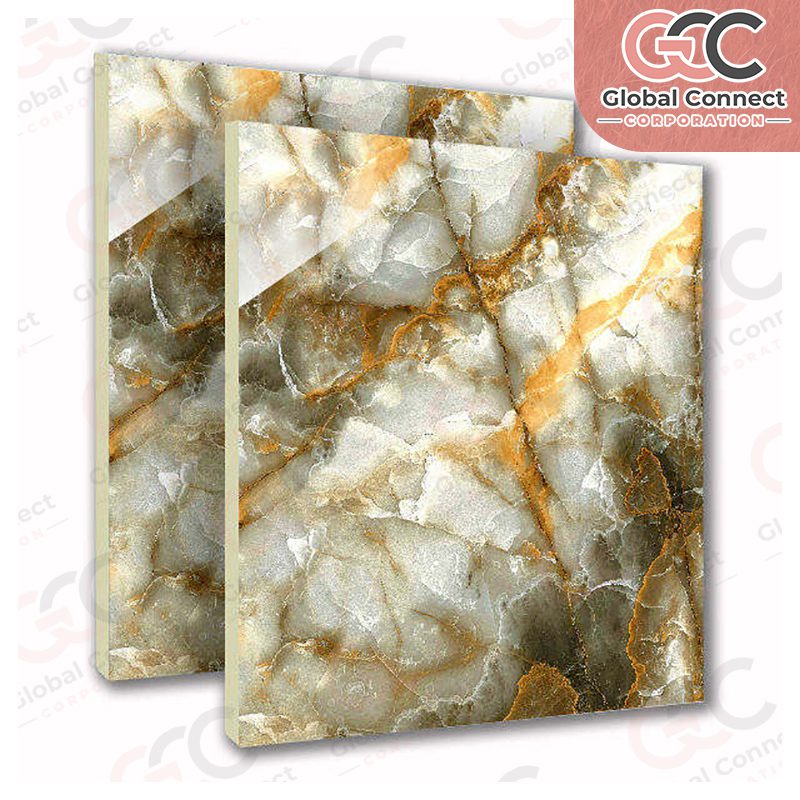
Product Details
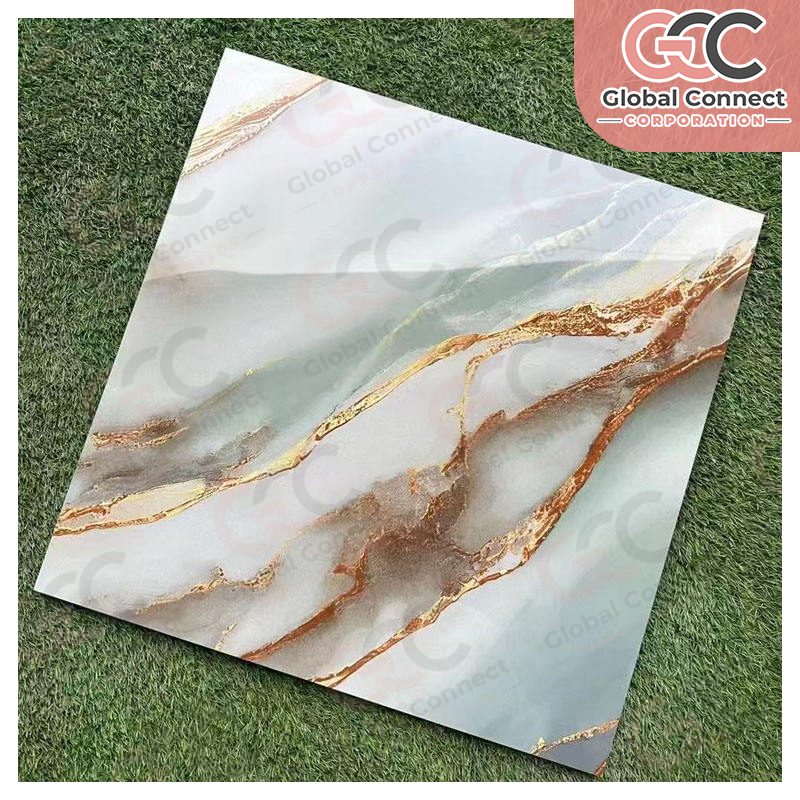
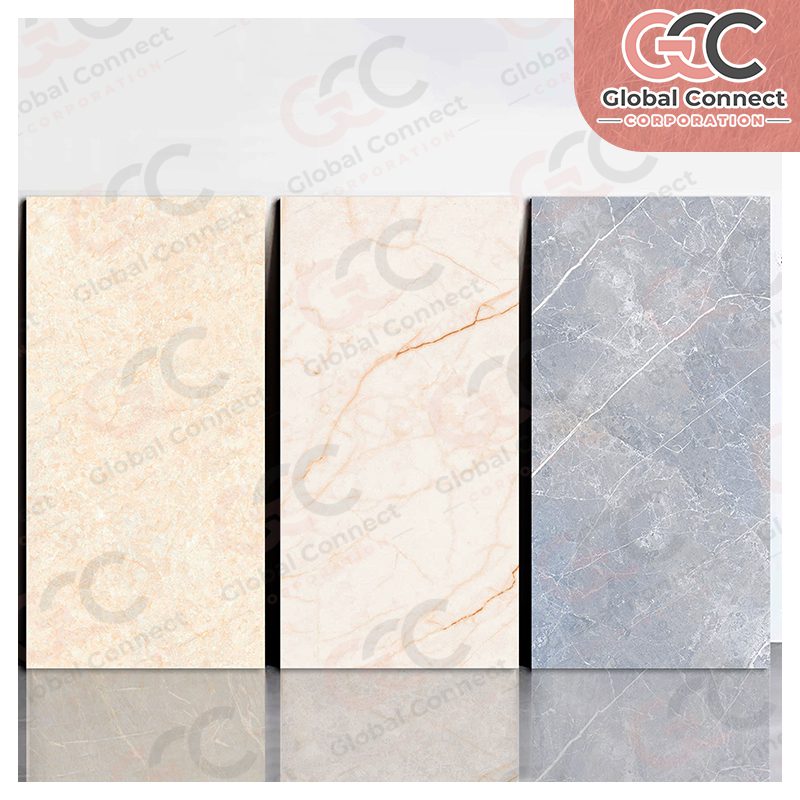
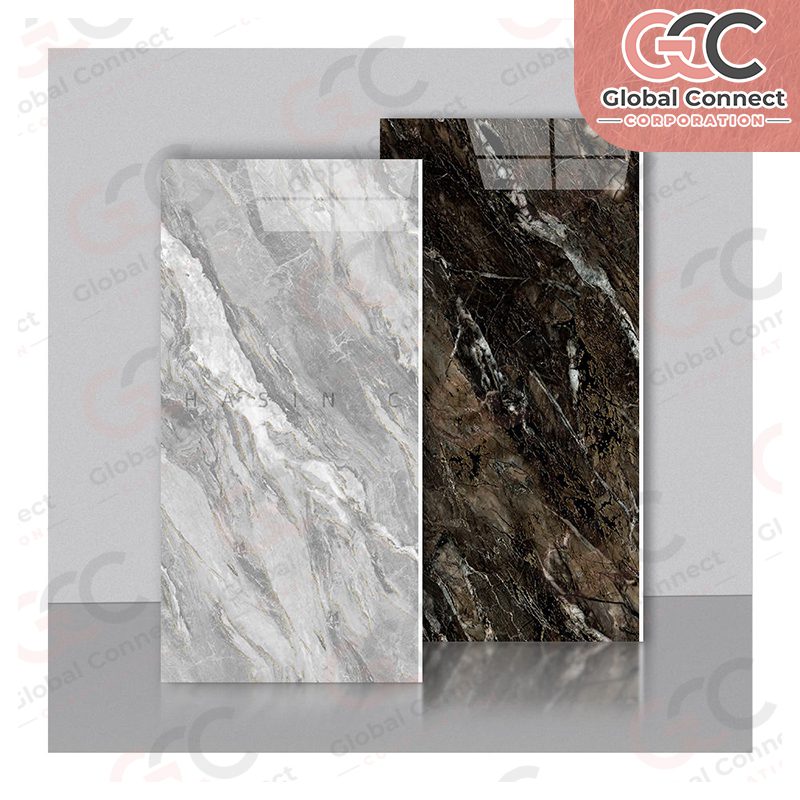
Our Tiles range delivers versatile, high-performance flooring and wall solutions for residential, commercial, and outdoor applications. Ceramic wall tiles offer vibrant designs and easy installation perfect for interiors. Vitrified and porcelain floor tiles provide superior strength, water resistance, and aesthetic flexibility, suitable for high-traffic and outdoor use.
Digital printed tiles enable bespoke, high-resolution surface designs for unique architectural statements. Anti-skid tiles ensure safety and durability in demanding outdoor environments. All products adhere to international standards, ensuring quality and durability for global export markets.
Product Types: Ceramic wall tiles, vitrified/porcelain floor tiles, digital printed designer tiles, anti-skid/outdoor tiles
Materials: Ceramic, vitrified clay, high-strength porcelain
Sizes:
Wall Tiles: 300×300 mm, 300×600 mm, 600×600 mm (6–10 mm thickness)
Floor Tiles: 600×600 mm, 600×1200 mm, 800×800 mm, 800×1600 mm (8–12 mm thickness)
Outdoor/Heavy Duty Tiles: 400×400 mm, 600×600 mm, textured anti-skid (10–18 mm thickness)
Finish Options: Glossy, matt, ultra-matt, rustic, wood grain, marble-effect, textured, 3D, anti-skid, satin, metallic
Certifications: ISO 13006, EN 14411, IS 15622, ASTM standards, CE marking, ISO 9001:2015
MOQ: Typically 1 container load per category
Lead Time: 2–5 weeks depending on product and order size
Frequently Asked Questions – Tiles
How do importers decide between porcelain and ceramic tiles for different markets?
The decision usually depends on customer demand, project type, durability requirements, and price positioning. Many distributors stock both collections to serve residential, commercial, and hospitality projects.
Which tile collections generate the highest demand in large construction projects?
Large-format floor tiles, marble-look collections, wood-finish tiles, matte surfaces, and commercial-grade porcelain continue to perform strongly across residential and commercial developments.
How do retail chains choose tile sizes that sell consistently?
Buyers typically balance premium large-format collections with fast-moving standard sizes to meet the needs of homeowners, contractors, and commercial projects while managing inventory efficiently.
What should project buyers consider before selecting floor tiles for high-traffic areas?
Professional buyers usually evaluate wear resistance, surface finish, slip resistance where required, maintenance needs, and long-term durability based on the intended application.
Which industries create the strongest demand for premium tiles?
Residential developments, hotels, shopping malls, corporate offices, healthcare facilities, educational institutions, retail projects, and luxury interiors continue to drive demand across Asia, the Gulf, Europe, and Africa.
How do distributors optimize container loading for tile imports?
Many importers plan shipments by tile size, carton weight, and pallet configuration to maximize container utilization while reducing handling costs during international transportation.
Can buyers create exclusive tile collections under their own brand?
Yes. OEM and private-label manufacturing allow distributors and retailers to develop exclusive collections with customized designs, finishes, packaging, and branding.
How do architects coordinate wall and floor tile collections within the same project?
Designers often combine matching finishes, complementary colours, and coordinated tile formats to create consistent visual themes across bathrooms, kitchens, lobbies, and commercial interiors.
What trends are shaping the global tile market?
Demand continues to grow for large-format porcelain tiles, stone-inspired designs, sustainable manufacturing, textured finishes, and premium commercial collections across Asia, the Gulf, Europe, and Africa.
How does GCC support importers and project buyers with tile procurement?
GCC supplies export-quality tile collections with OEM manufacturing, private-label solutions, customized packaging, and dependable bulk supply designed for distributors, retail chains, developers, and large construction projects across Asia, the Gulf, Europe, and Africa.