Frequently Asked Questions – Bubble Wrap Rolls
1. What factors influence international bubble wrap roll prices?
Pricing depends on LDPE resin prices, film thickness, bubble size, roll width, roll length, laminated options, customization, order quantity, and ocean freight costs. GCC continuously monitors raw material markets to provide competitive export pricing.
2. How do I choose the right bubble size for my products?
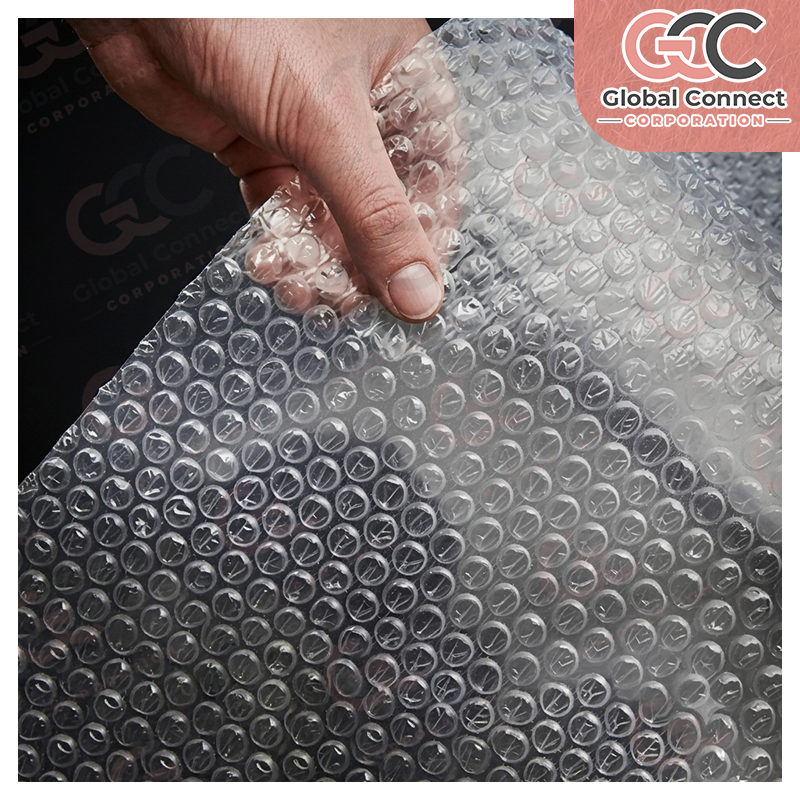
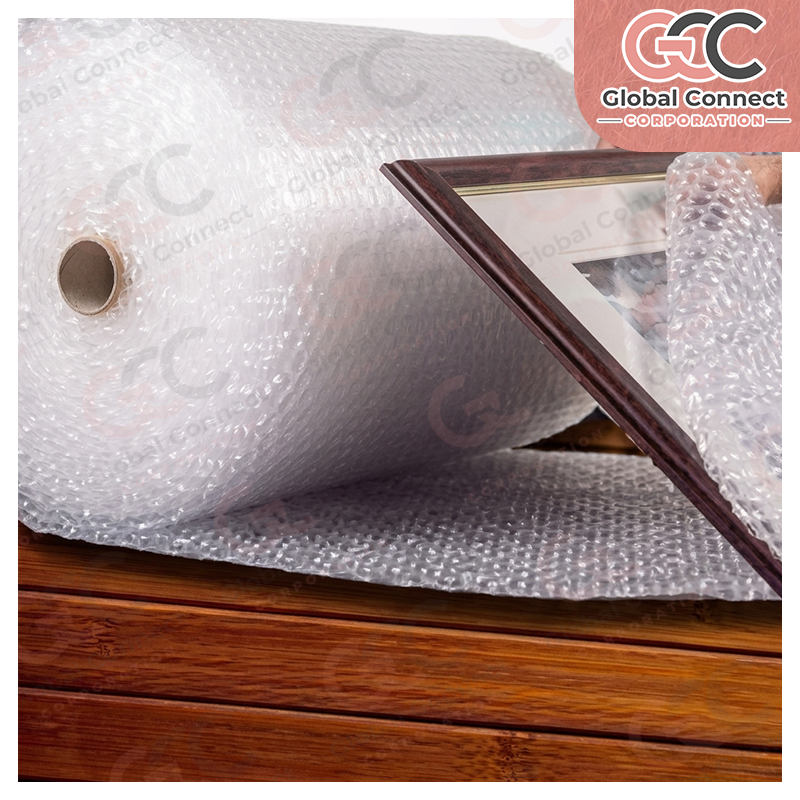
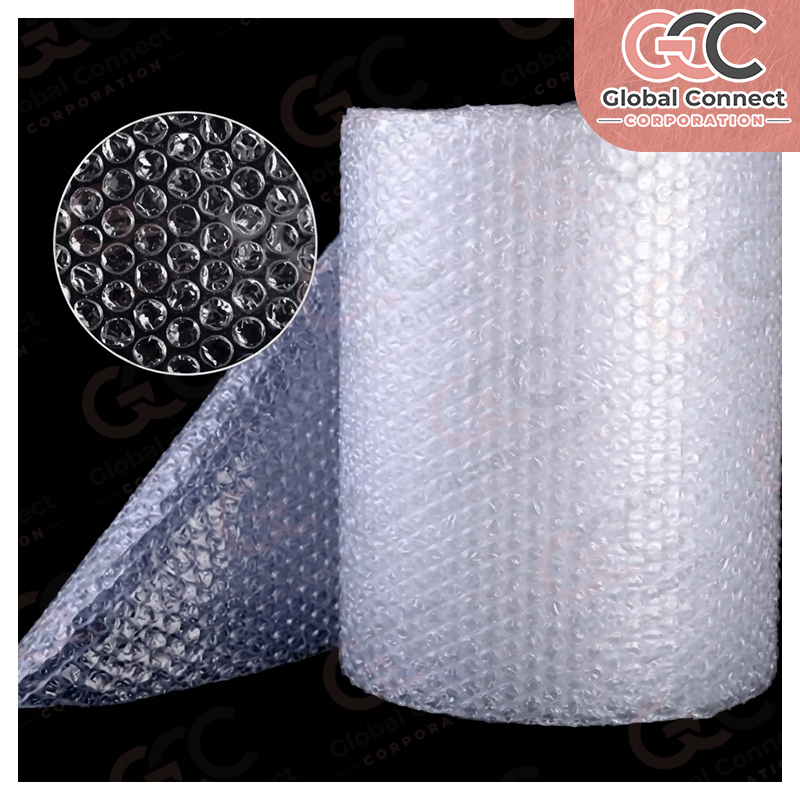
Small bubbles are ideal for lightweight and delicate items such as electronics, cosmetics, and glassware, while larger bubbles provide better cushioning for furniture, appliances, industrial equipment, and heavier products. GCC helps buyers select the most suitable bubble size based on product weight and fragility.
3. What is the difference between standard and anti-static bubble wrap?
Standard bubble wrap is suitable for general packaging applications, while anti-static bubble wrap is specifically designed for electronic components, semiconductors, circuit boards, and sensitive electrical equipment, helping protect against electrostatic discharge (ESD).
4. Can GCC manufacture customized bubble wrap rolls?
Yes. GCC offers customized bubble sizes, film thicknesses, roll widths, roll lengths, perforation, laminated options, colors, private labeling, OEM branding, and export packaging according to customer requirements.
5. Which industries generate the highest demand for bubble wrap rolls?
Our bubble wrap rolls are widely supplied to e-commerce companies, electronics manufacturers, furniture exporters, automotive suppliers, glass processors, pharmaceutical companies, logistics providers, ceramic manufacturers, and industrial packaging businesses.
6. What quality tests should buyers request before shipment?
International buyers commonly request film thickness verification, bubble height measurement, puncture resistance testing, compression testing, tensile strength testing, cushioning performance evaluation, and dimensional inspections before shipment.
7. What certifications are commonly required for bubble wrap rolls?
Depending on the application, buyers may request ISO 9001 certification, REACH compliance, RoHS compliance, anti-static performance reports, and third-party inspection certificates.
8. What market trends are shaping the bubble wrap industry?
Growing e-commerce, international exports, premium consumer goods, and sustainability initiatives are driving demand for lightweight protective packaging, recyclable bubble wrap, anti-static products, laminated cushioning materials, and customized OEM packaging solutions.
9. How can importers reduce packaging and logistics costs?
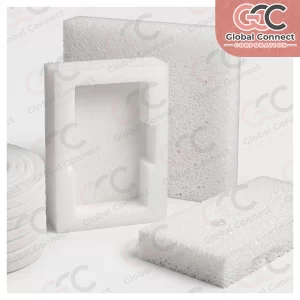
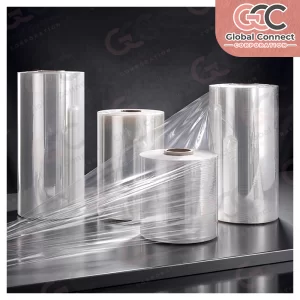
Importers can reduce costs by selecting the appropriate bubble size, optimizing roll dimensions, maximizing container utilization, and consolidating bubble wrap rolls with EPE foam, packaging films, and other protective packaging products into a single shipment.
10. Why do global buyers choose GCC for bubble wrap rolls?
GCC combines advanced co-extrusion technology, premium virgin raw materials, rigorous quality control, flexible OEM manufacturing, competitive export pricing, and reliable international logistics, making us a trusted supplier for distributors, wholesalers, packaging companies, and industrial buyers worldwide.