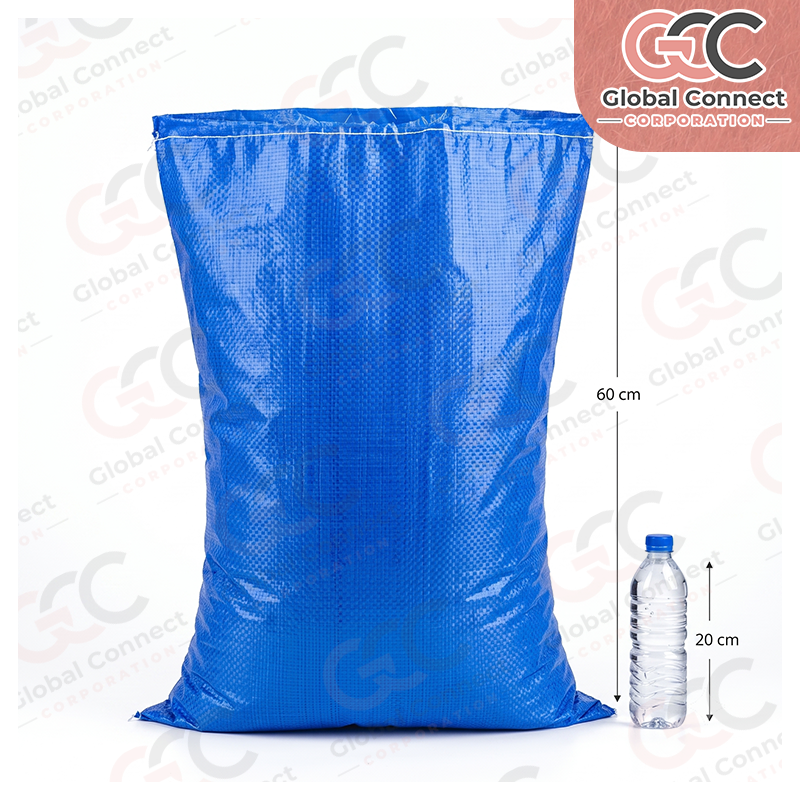
Frequently Asked Questions – HDPE Industrial Bags
1. Which industries generate the highest demand for HDPE industrial bags?
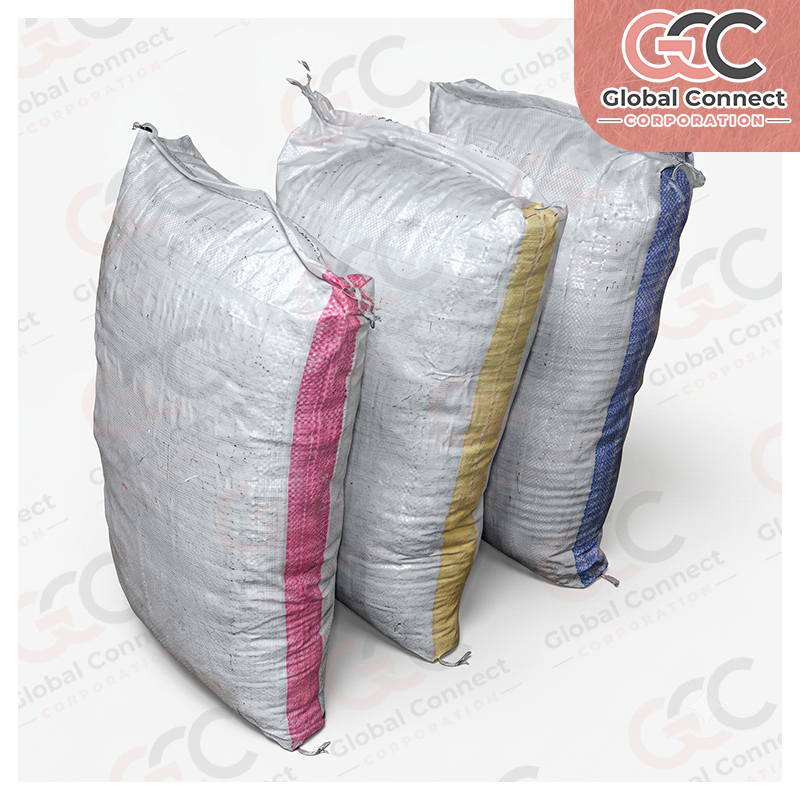
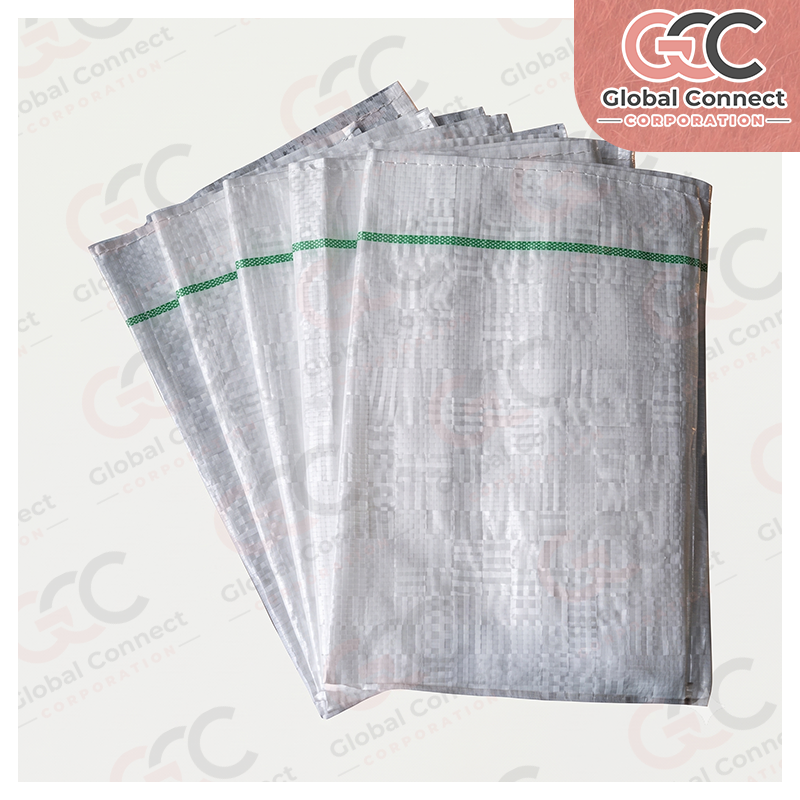
HDPE industrial bags are widely used by the agriculture, food processing, fertilizer, chemical, pharmaceutical, minerals, construction, and animal feed industries for bulk packaging and transportation.
2. What factors influence international HDPE bag prices?
Pricing depends on HDPE resin prices, fabric GSM, lamination, bag dimensions, printing, liner requirements, stitching type, order quantity, and international freight costs. GCC continuously monitors raw material markets to provide competitive export pricing.
3. How do I choose the right GSM for HDPE bags?
The appropriate GSM depends on product weight, filling process, storage conditions, transportation requirements, and expected load capacity. GCC assists buyers in selecting the most suitable specifications for their application.
4. Can GCC manufacture customized HDPE bags?
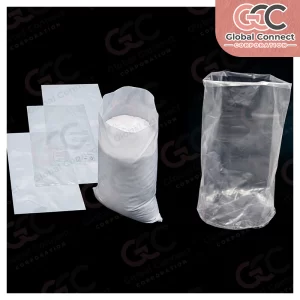
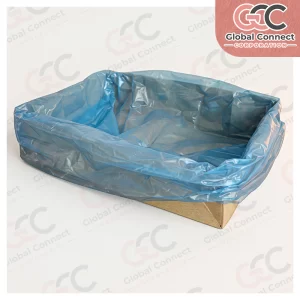
Yes. GCC offers customized bag sizes, GSM, colors, UV stabilization, printing, gussets, liners, stitching patterns, private labeling, and OEM packaging according to customer specifications.
5. What is the advantage of laminated HDPE bags?
Laminated HDPE bags provide improved moisture resistance, better print quality, reduced dust leakage, and enhanced product protection, making them suitable for food, chemicals, fertilizers, and export packaging.
6. What quality tests should buyers request before shipment?
International buyers commonly request fabric GSM verification, tensile strength testing, seam strength testing, burst resistance evaluation, load testing, dimensional inspection, and printing quality verification before shipment.
7. Are food-grade HDPE bags available?
Yes. GCC manufactures food-contact compliant HDPE bags suitable for packaging flour, rice, sugar, grains, pulses, spices, animal feed, and other food products using approved virgin raw materials.
8. What market trends are shaping the HDPE bag industry?
Growing demand for high-strength packaging, recyclable materials, UV-stabilized bags, better print quality, food-grade packaging, and automated filling compatibility continues to drive the global HDPE packaging market.
9. How can importers reduce procurement and logistics costs?
Importers can reduce costs by optimizing bag dimensions, standardizing specifications, maximizing container utilization, and consolidating HDPE bags with PP woven bags, liners, tapes, and protective packaging into a single shipment.
10. Why do global buyers choose GCC for HDPE industrial bags?
GCC combines advanced weaving technology, virgin polymers, strict quality control, flexible OEM manufacturing, competitive export pricing, and dependable international logistics, making us a trusted manufacturing partner for distributors, wholesalers, and industrial buyers worldwide.