Frequently Asked Questions – Tarpaulins
1. What factors influence international tarpaulin prices?
Export pricing is influenced by HDPE, PE, and PVC raw material costs, GSM, fabric construction, coatings, order volume, and ocean freight rates. At GCC, we monitor market trends closely to offer competitive pricing and stable supply.
2. Which tarpaulin types are currently seeing the highest demand?
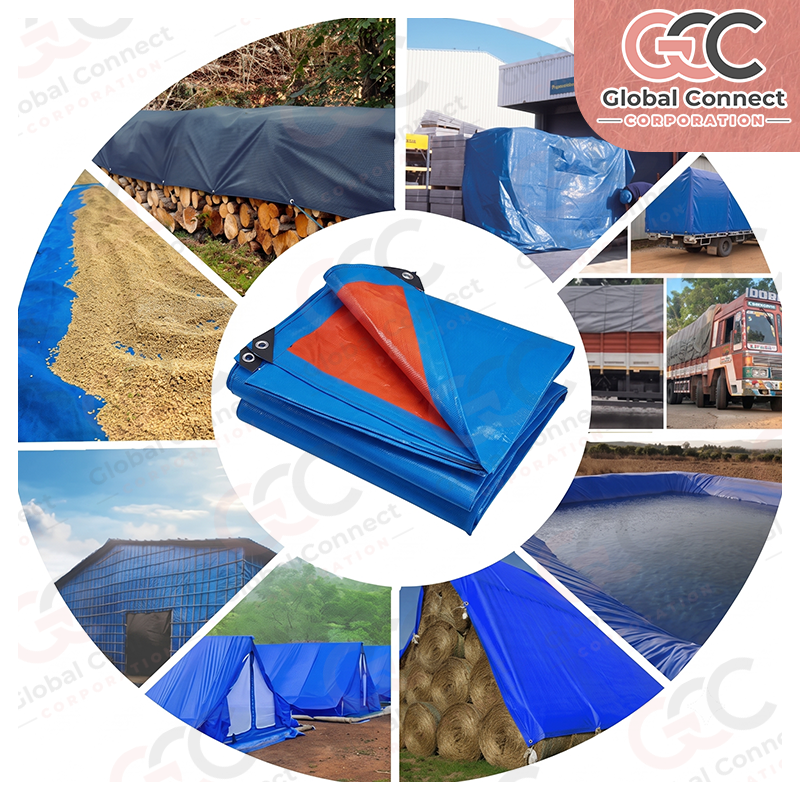
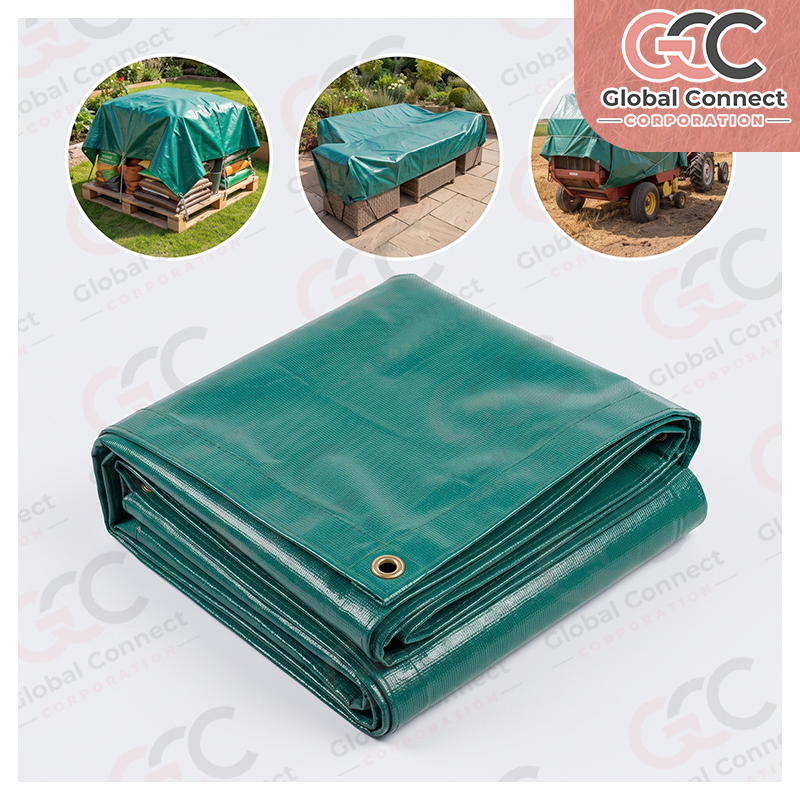
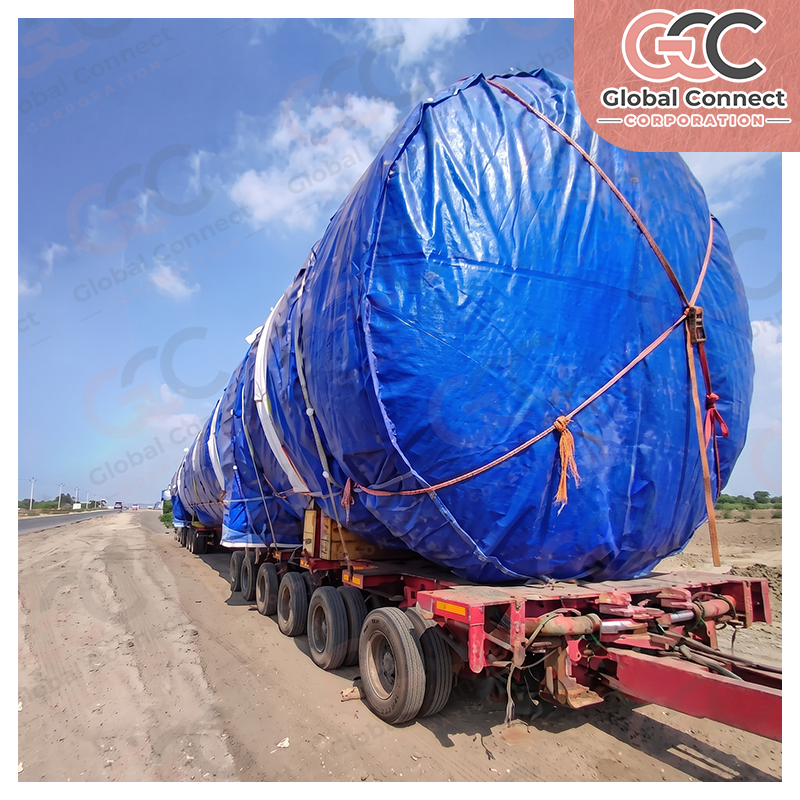
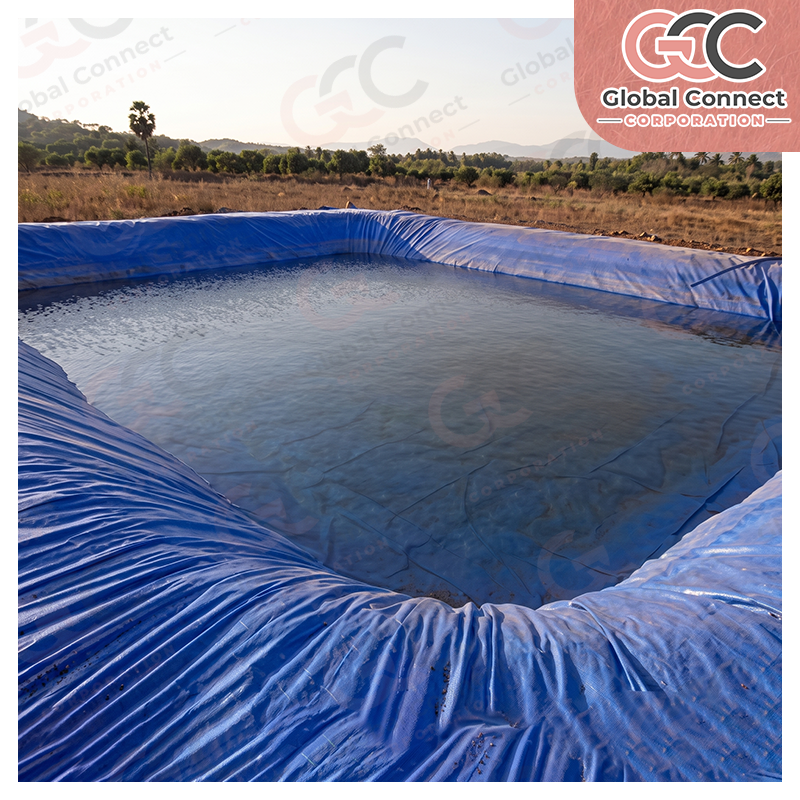
Demand remains strong for HDPE woven tarpaulins, truck & cargo covers, heavy-duty industrial tarpaulins, and UV-stabilized agricultural tarpaulins, particularly across Africa, the GCC, and other emerging markets.
3. How do I choose the right GSM for my market?
The ideal GSM depends on the application, climate, durability requirements, and target price point. GCC helps buyers select the most suitable specifications for their local market and customer needs.
4. How can buyers maintain consistent product quality across shipments?
Consistent quality starts with partnering with an experienced manufacturer. GCC follows standardized production processes, batch-wise quality inspections, and defined product specifications to ensure consistency across repeat orders.
5. What packaging options help reduce shipping costs?
Compressed bale packing, optimized palletization, and efficient container loading maximize container utilization and help reduce freight costs. GCC provides export-ready packaging designed for international shipping.
6. Can multiple plastic product categories be consolidated into one container?
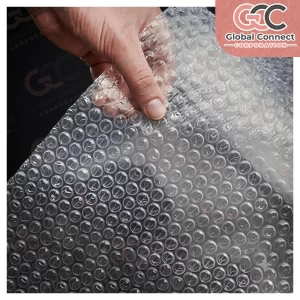
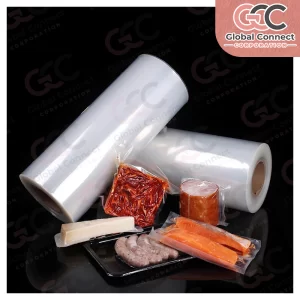
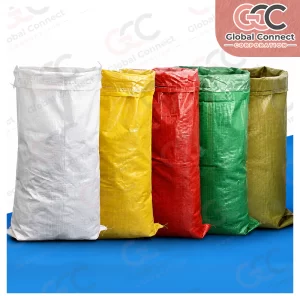
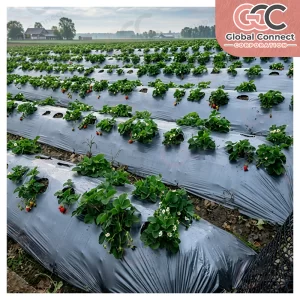
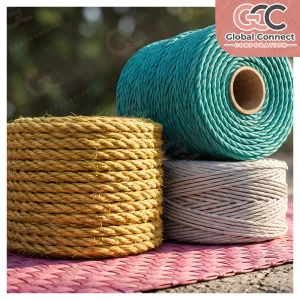
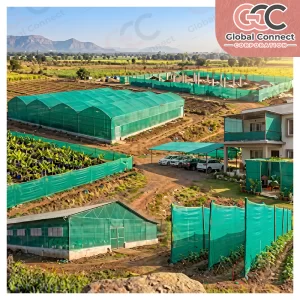
Yes. GCC enables buyers to consolidate tarpaulins, nets, ropes, mulch films, woven packaging products, and protective packaging into a single shipment, reducing logistics costs and simplifying procurement.
7. What quality certifications do international buyers typically request?
Depending on the destination market, buyers commonly request ISO-certified manufacturing, third-party inspection reports, UV resistance testing, GSM verification, and material quality reports before shipment.
8. What market trends are shaping the tarpaulin industry?
The market is shifting towards UV-stabilized, higher-GSM, recyclable, and longer-lasting tarpaulins, driven by increasing demand from agriculture, logistics, construction, and infrastructure sectors worldwide.
9. How can importers reduce procurement risk?
Importers can reduce risk by working with reliable manufacturers that offer consistent quality, transparent communication, pre-shipment inspections, and dependable delivery schedules. GCC supports buyers with quality assurance throughout the export process.
10. Why are many global buyers sourcing tarpaulins from India?
India has become a preferred sourcing destination due to its competitive manufacturing costs, extensive production capacity, skilled workforce, customization capabilities, and well-established export infrastructure. GCC leverages these advantages to deliver reliable, export-quality tarpaulin solutions to buyers worldwide.