Frequently Asked Questions – Woven Packaging Products
1. Which woven packaging products are most in demand?
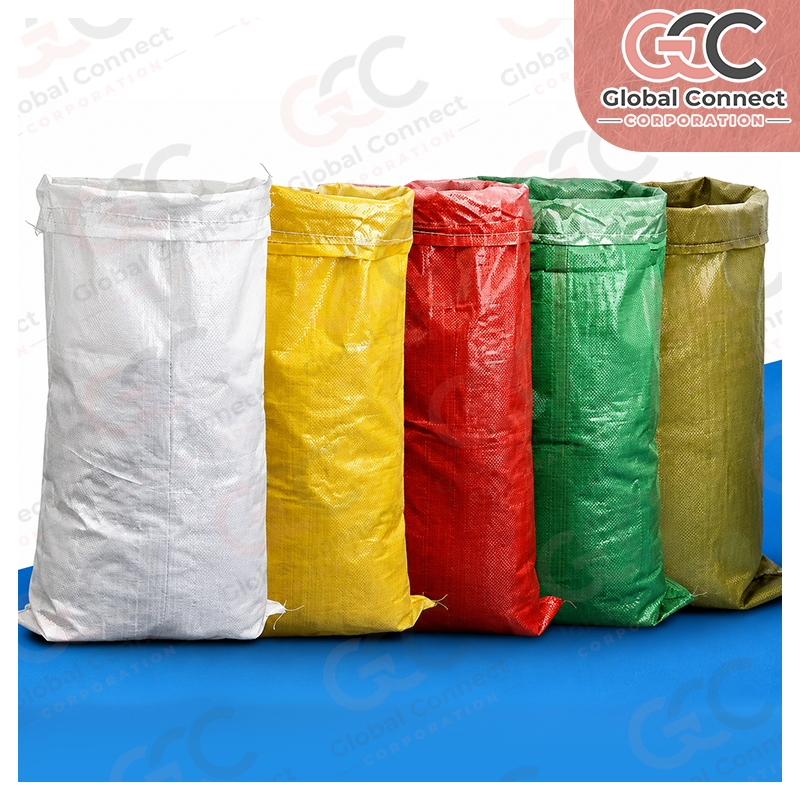
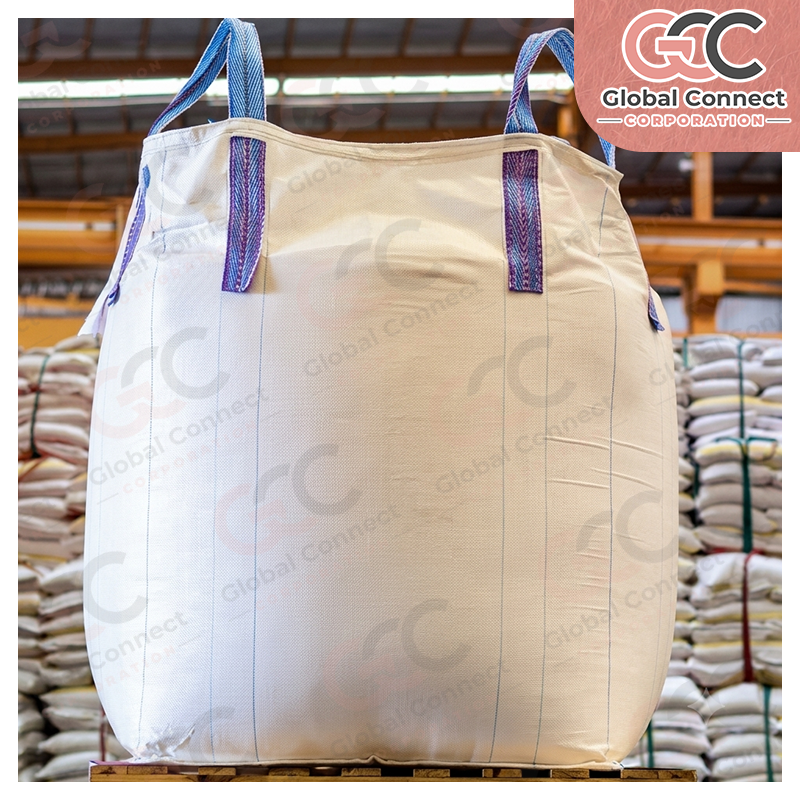
FIBC jumbo bags, PP woven bags, and BOPP laminated bags remain the most widely used because they cover bulk goods, retail-packed goods, and export cargo.
2. What is the difference between PP woven bags and BOPP laminated bags?
PP woven bags are basic bulk sacks, while BOPP laminated bags have a printed outer film that improves appearance and moisture resistance.
3. Why do buyers use FIBC jumbo bags?
They are used for large-volume transport of powders, grains, chemicals, and construction materials because they improve handling and stacking efficiency.
4. Are valve bags better for cement and powder products?
Yes. Valve bags are designed for fast filling of fine powders and granular materials, making them suitable for cement, minerals, and chemicals.
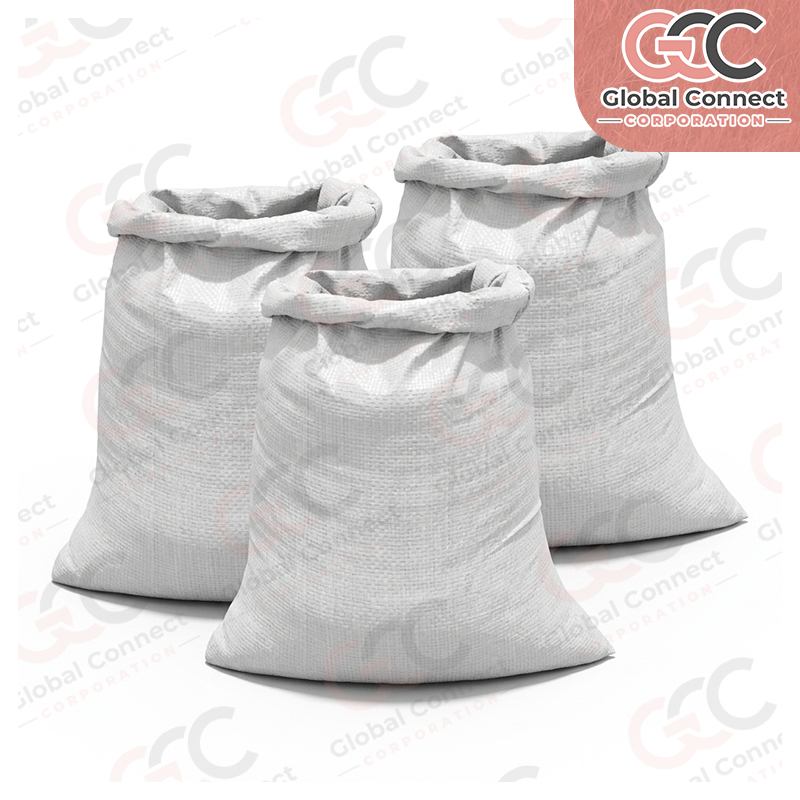
5. Can sand bags be custom-made for flood or construction use?
Yes. Sand bags can be made in different sizes, strengths, and packing formats depending on flood-control or construction needs.
6. How do buyers choose the right load capacity?
The choice depends on product weight, density, and handling method. We help buyers match bag capacity to the final use.
7. What packaging features reduce shipping damage?
Strong stitching, correct lamination, and proper palletization help reduce damage during long-distance shipping.
8. Can multiple woven packaging products be mixed in one shipment?
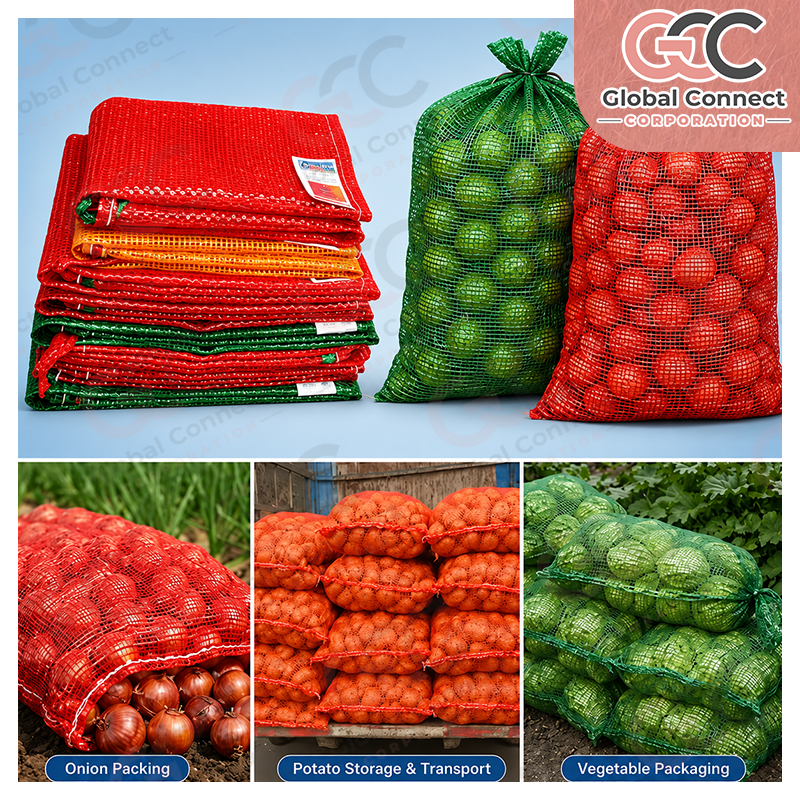
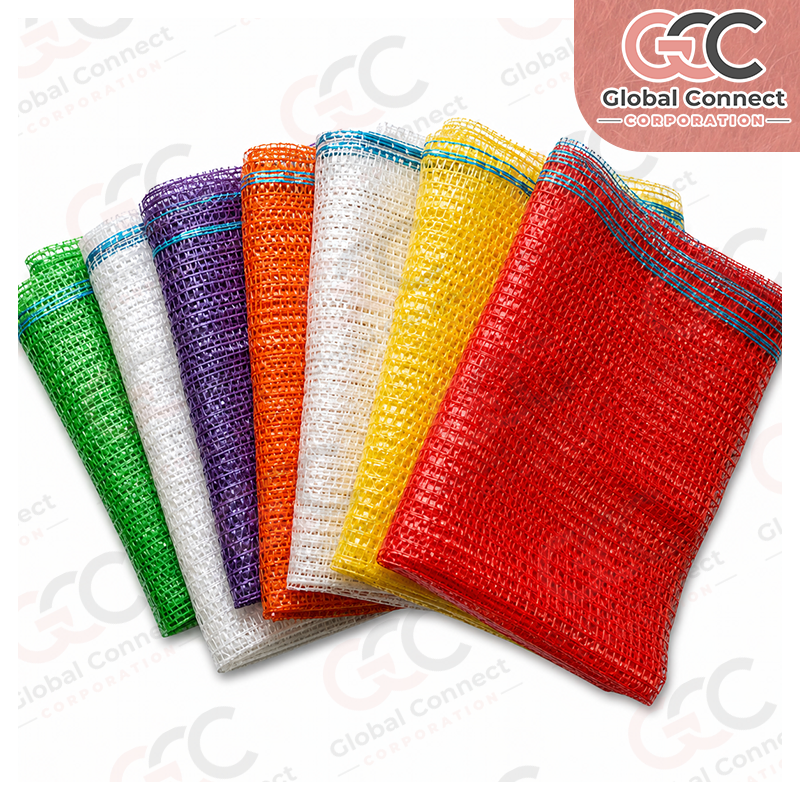
Yes. Buyers often combine FIBC bags, PP woven bags, mesh bags, and sand bags in one container to improve freight efficiency.
9. What quality checks matter most for export buyers?
They usually check fabric thickness, stitching strength, print quality, and load performance before confirming repeat orders.
10. Why do importers source woven packaging from India?
India offers strong manufacturing capability, flexible customization, and competitive pricing for bulk packaging products.