Product Details
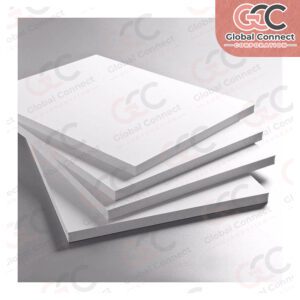
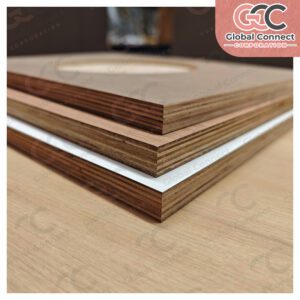
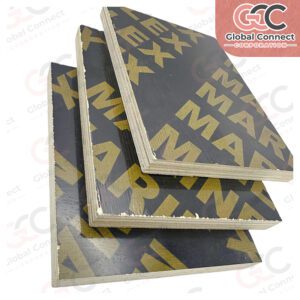
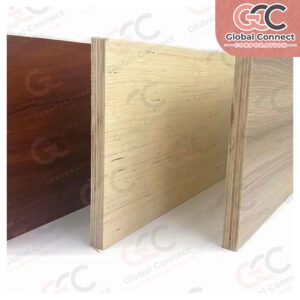
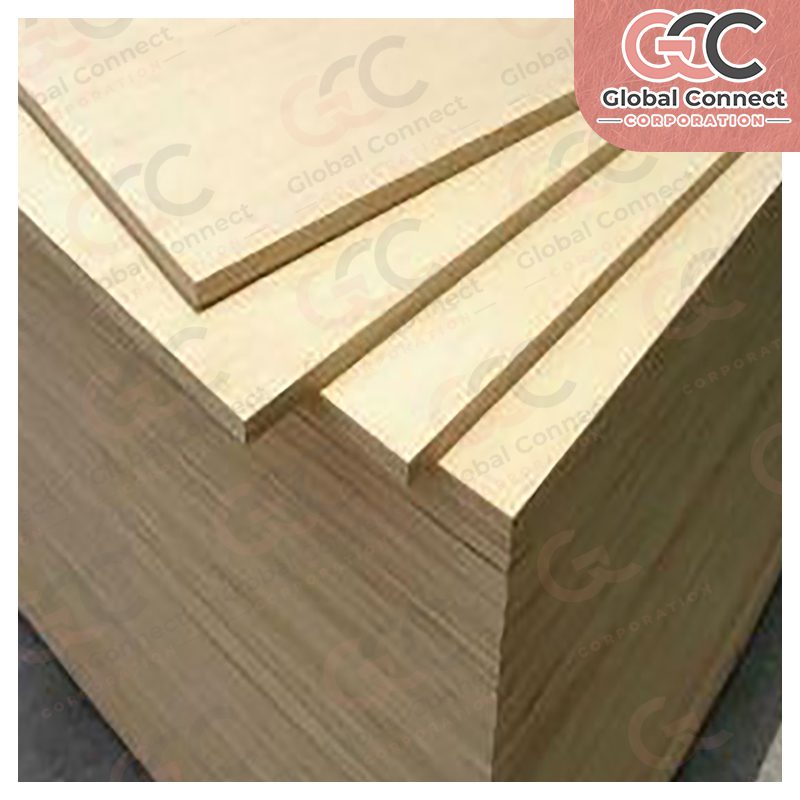
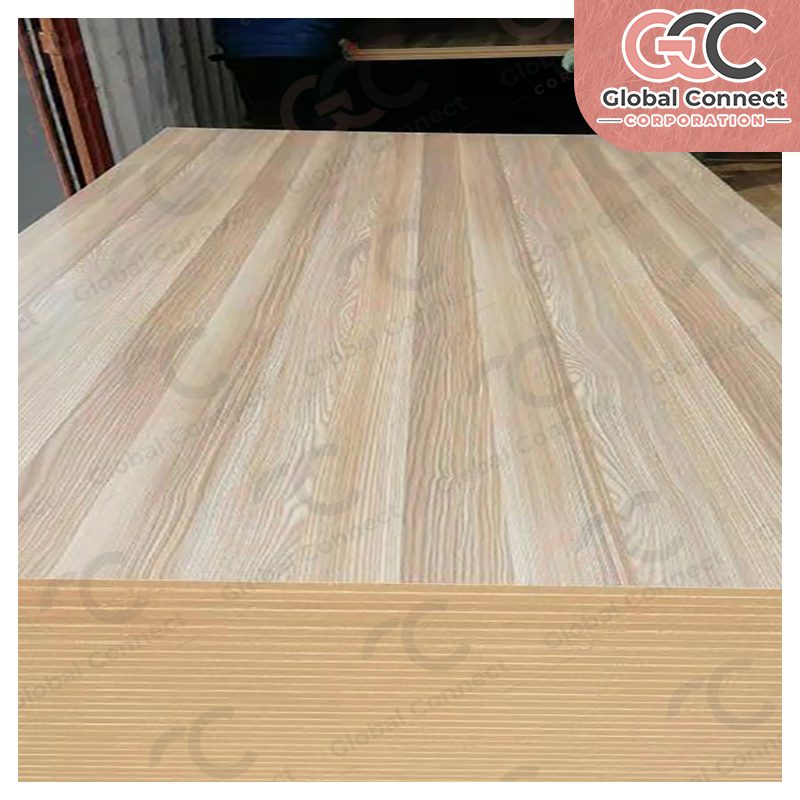
BWR Grade plywood is engineered for joinery and furniture exposed to high humidity or occasional water contact, such as kitchens, bathrooms, and utility cabinets. Made with select hardwood veneers bonded by phenol or melamine resin, it offers excellent boiling water resistance, strong mechanical properties, and reliable protection against swelling, delamination, and fungus. Tested to IS 303 standards, it is ideally suited for export and wet-area applications.
Product Type: Boiling Water-Resistant (BWR) plywood for kitchens, bathrooms, and semi-wet furniture
Material Options: Select hardwood/eucalyptus/poplar cores, bonded with phenol or melamine formaldehyde resin
Thickness Range: 4 mm, 6 mm, 9 mm, 12 mm, 15 mm, 18 mm, 25 mm
Sizes: Standard 8×4 ft (2440×1220 mm), custom sizes on request
Performance: Withstands 8 hours boiling water test, high resistance to moisture & fungus, stable bonding, strong screw/nail holding
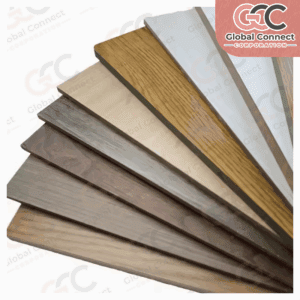
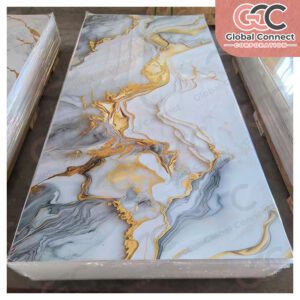
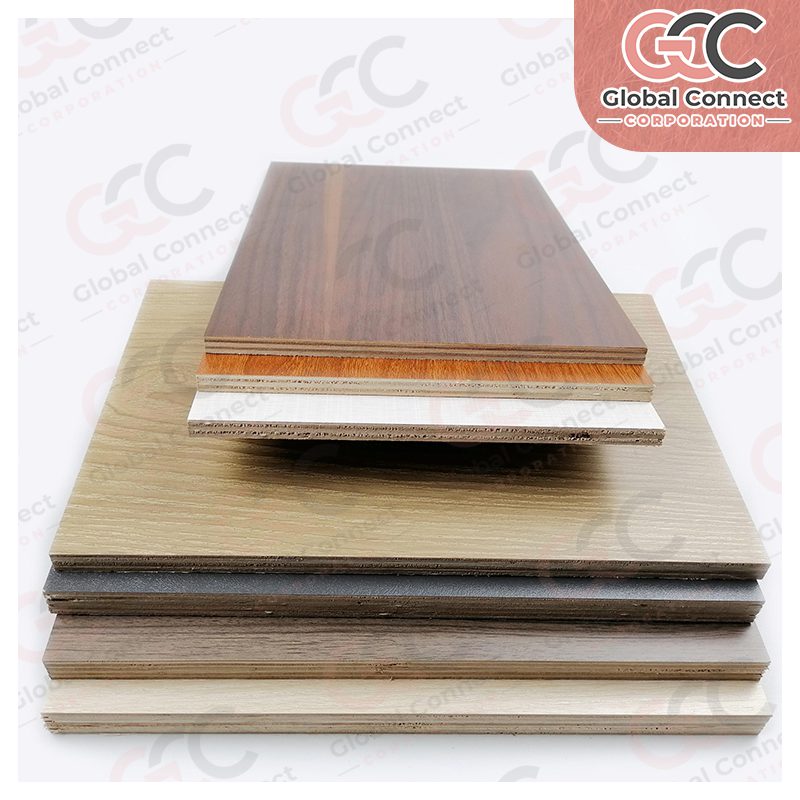
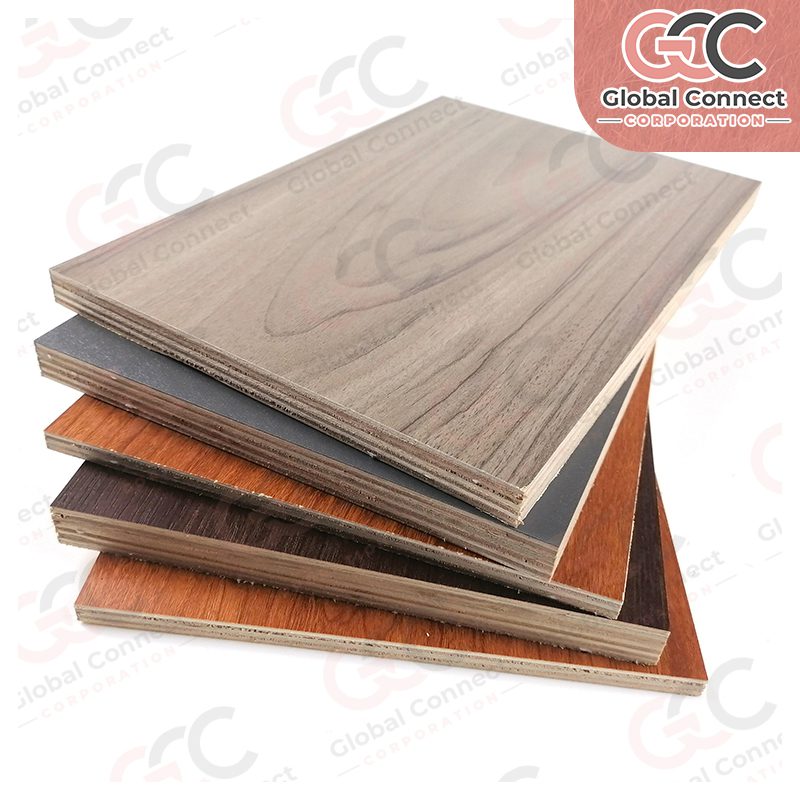
Finish Options: Smooth sanded surface, optional decorative veneer
Certifications: IS 303 (BWR), E1/E0 low-formaldehyde emission
Applications: Modular kitchens, bathroom cabinets, window panels, partitions, wet-area furniture
Special Features: Uniform thickness (calibrated), anti-borer & termite-treated, edge-sealed for extra protection
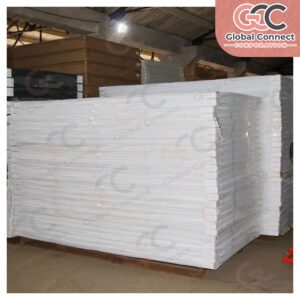
Packaging: Export grade palletized bundles, edge and surface protection
Frequently Asked Questions – BWR Plywood
When should buyers choose BWR plywood instead of MR plywood?
BWR plywood is the better choice for kitchens, bathrooms, utility areas, and commercial interiors where frequent moisture exposure requires stronger waterproof bonding than standard interior-grade plywood.
What makes BWR plywood suitable for modular kitchens?
Its boiling water-resistant adhesive, stable core construction, and reliable screw-holding strength help cabinets maintain their shape and performance in humid kitchen environments.
How does glue bond quality affect BWR plywood performance?
The glue bond is critical because it keeps veneer layers securely bonded even under repeated moisture exposure, helping improve durability and reduce the risk of delamination.
What should importers inspect before approving BWR plywood production?
Professional buyers typically verify glue bond performance, core construction, veneer quality, thickness tolerance, moisture content, and surface finish before shipment.
Which projects generate the highest demand for BWR plywood?
Modular kitchens, bathroom vanities, hotel interiors, office furniture, retail fit-outs, healthcare facilities, and educational institutions continue to drive strong demand across Asia, the Gulf, Europe, and Africa.
Can BWR plywood support decorative laminates and premium finishes?
Yes. Its smooth face veneers provide an excellent base for laminates, acrylic finishes, decorative veneers, and painted surfaces used in premium interior projects.
How does BWR plywood help contractors reduce long-term maintenance costs?
Better moisture resistance helps minimize swelling, edge damage, and premature panel replacement, making it a practical solution for high-use commercial interiors.
What market trends are increasing demand for BWR plywood?
Rising investment in modular kitchens, hospitality projects, premium residential interiors, and moisture-resistant furniture solutions continues to strengthen demand across Asia, the Gulf, Europe, and Africa.
Can GCC manufacture BWR plywood for OEM and private-label brands?
Yes. GCC offers OEM manufacturing with customized sheet sizes, thicknesses, face veneers, branding, edge sealing, and export-ready packaging for distributors and wholesale buyers.
Why do distributors build long-term partnerships with GCC for BWR plywood?
GCC combines manufacturing excellence, export-quality production, OEM and private-label manufacturing, an integrated manufacturing and distribution network, and dependable global delivery to support distributors, wholesalers, contractors, and project buyers across Asia, the Gulf, Europe, and Africa.