Product Details
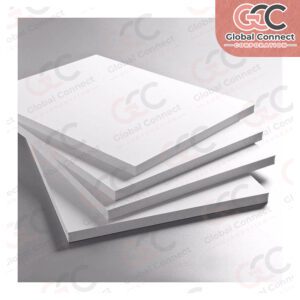
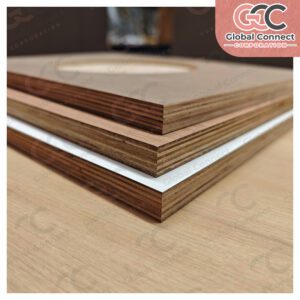
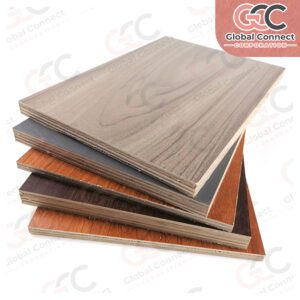
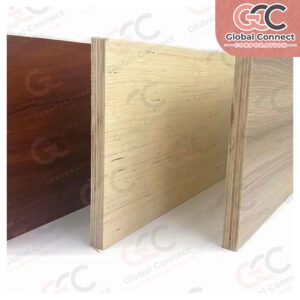
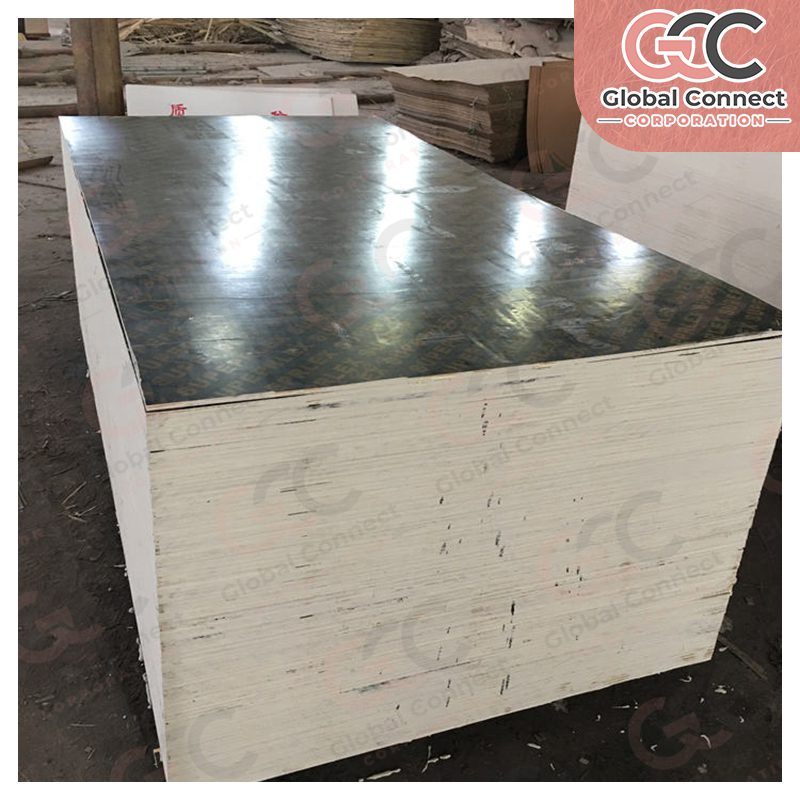
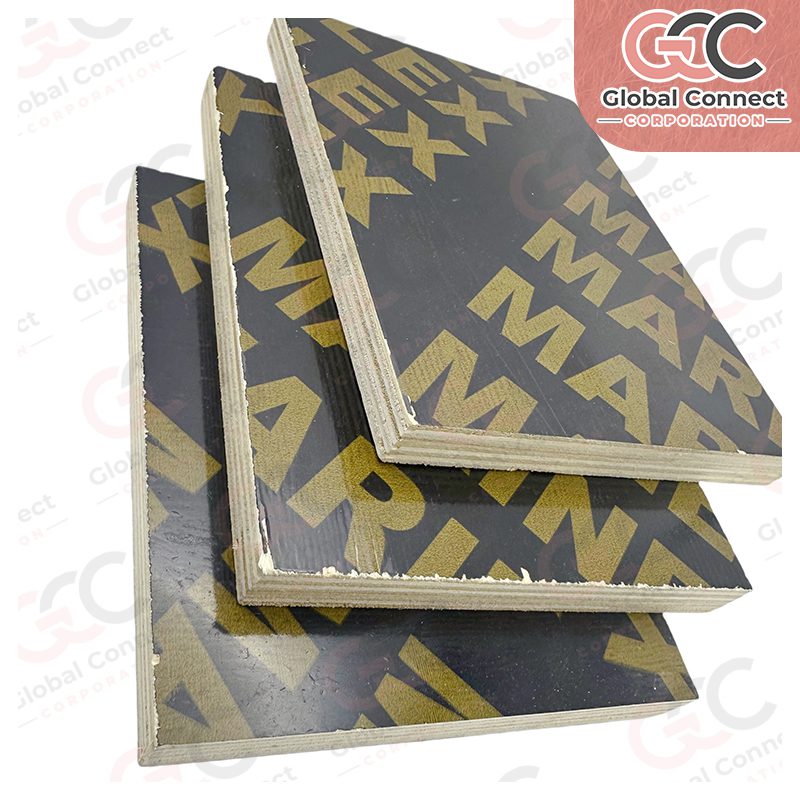
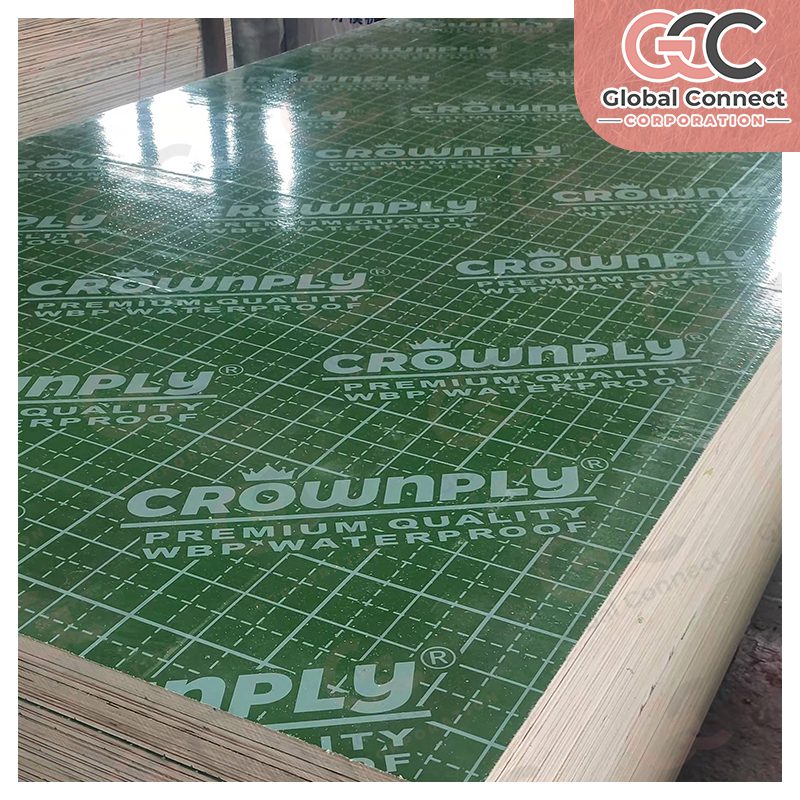
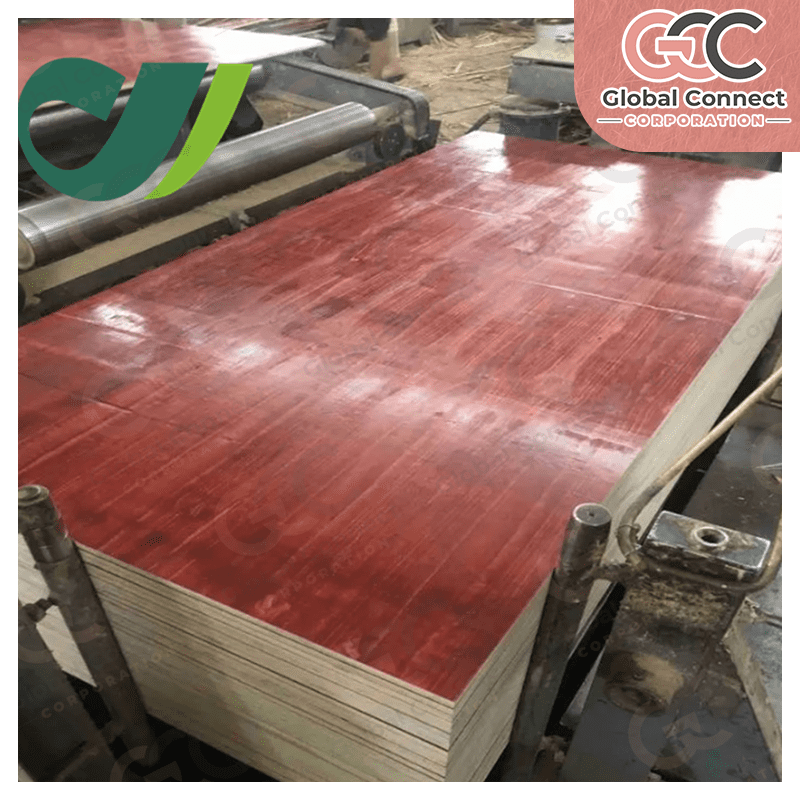
Calibrated plywood is engineered for modular furniture and panel production, offering exact thickness tolerance (±0.1 mm) for precision machining and a consistently high-quality finish. Shuttering plywood, often film-faced, is designed for concrete formwork, providing excellent water resistance, high mechanical strength, and durability for repeated use in wet construction environments.
Both types meet international standards for quality and are ideal for demanding global furniture and construction markets.
Product Types: Precision-calibrated plywood for uniform thickness; shuttering plywood for concrete formwork
Material Options: Hardwood/core plywood; available with film-faced or untreated face veneers
Thickness & Dimensions: Calibrated: 6, 9, 12, 15, 18, 25 mm (±0.1 mm tolerance); Shuttering: 12, 15, 18, 21, 25 mm
Sizes: Standard 8×4 ft (2440×1220 mm), custom sizes available
Performance: Calibrated plywood ensures exact thickness for CNC/machined furniture; shuttering plywood resists water and provides high strength under wet concrete
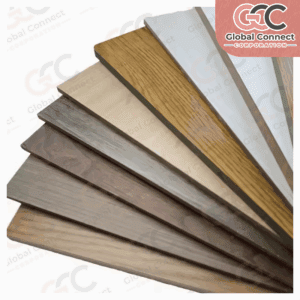
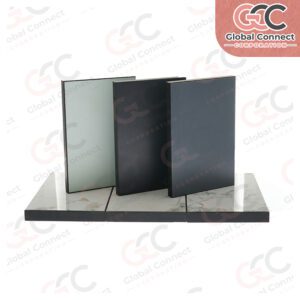
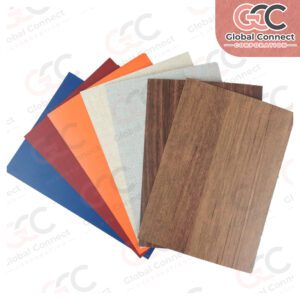
Finish Options: Calibrated plywood—sanded, natural veneer, film-faced; shuttering plywood—film-faced (melamine/phenolic), smooth or textured
Certifications: IS 303 (core), BS EN 636, ISO 9001:2015
Applications: Calibrated for furniture manufacturing, CNC machining, panel substrates; shuttering for civil/concrete formwork
Special Features: Anti-warp construction, waterproof film coating, excellent surface finish, reusable panels
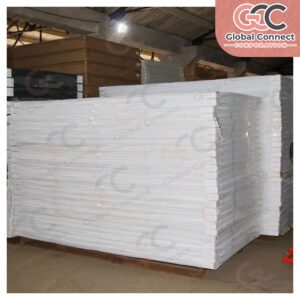
Packaging: Export-grade palletized bundles with edge and moisture protection
Frequently Asked Questions – Shuttering Plywood
How many reuse cycles should contractors expect from quality shuttering plywood?
Reuse depends on panel quality, film coating, site handling, release agent usage, and storage practices. Professional contractors focus on cost per reuse rather than the purchase price of a single sheet.
Why do infrastructure projects prefer film-faced shuttering plywood?
The film-faced surface helps produce smoother concrete finishes, reduces concrete sticking, speeds up stripping, and minimizes surface repair work on large projects.
What factors reduce the lifespan of shuttering plywood on construction sites?
Poor edge sealing, improper storage, excessive water exposure, rough handling, and incorrect formwork removal can significantly reduce panel life, even when high-quality plywood is used.
How do contractors compare shuttering plywood before awarding bulk orders?
Buyers typically evaluate film quality, core density, panel weight, edge sealing, glue bond performance, thickness consistency, and expected reuse performance rather than comparing thickness alone.
Which construction projects generate the highest demand for shuttering plywood?
High-rise buildings, bridges, highways, metro projects, commercial towers, industrial plants, precast concrete production, and government infrastructure projects continue to drive demand across Asia, the Gulf, Europe, and Africa.
Does thicker shuttering plywood always perform better?
Not necessarily. Performance depends on core quality, bonding strength, and film coating consistency. A well-manufactured panel often delivers better results than a heavier panel with inconsistent construction.
How can contractors improve the number of reuses on site?
Proper cleaning after each use, applying release agents, protecting panel edges, storing panels on level surfaces, and avoiding unnecessary impact damage help extend service life.
What quality checks should project buyers request before shipment?
Professional buyers commonly verify film adhesion, glue bond performance, thickness tolerance, panel flatness, edge sealing quality, and dimensional consistency before approving production.
What trends are influencing the shuttering plywood market?
Faster construction schedules, prefabricated concrete systems, reusable formwork solutions, and premium film-faced panels are becoming increasingly important across Asia, the Gulf, Europe, and Africa.
Why do construction companies build long-term partnerships with GCC for shuttering plywood?
GCC combines manufacturing excellence, export-quality production, OEM manufacturing, consistent batch quality, and dependable global delivery to support contractors, distributors, infrastructure projects, and construction companies across international markets.