Product Details
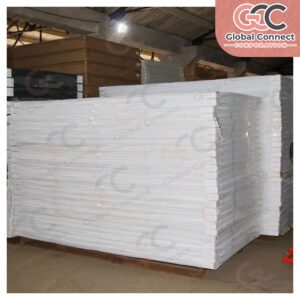
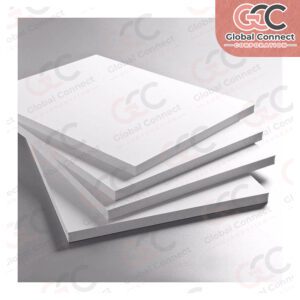
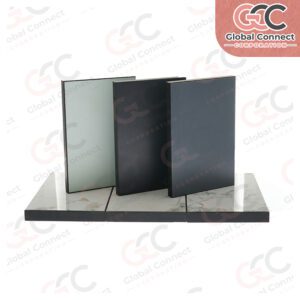
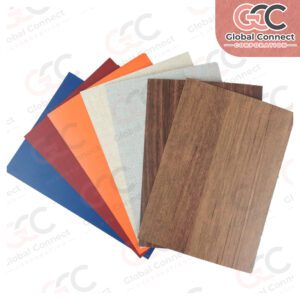
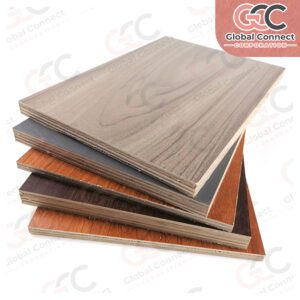
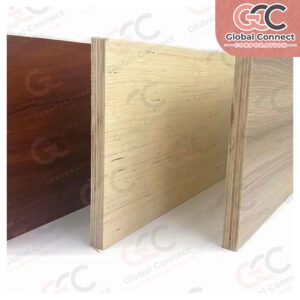
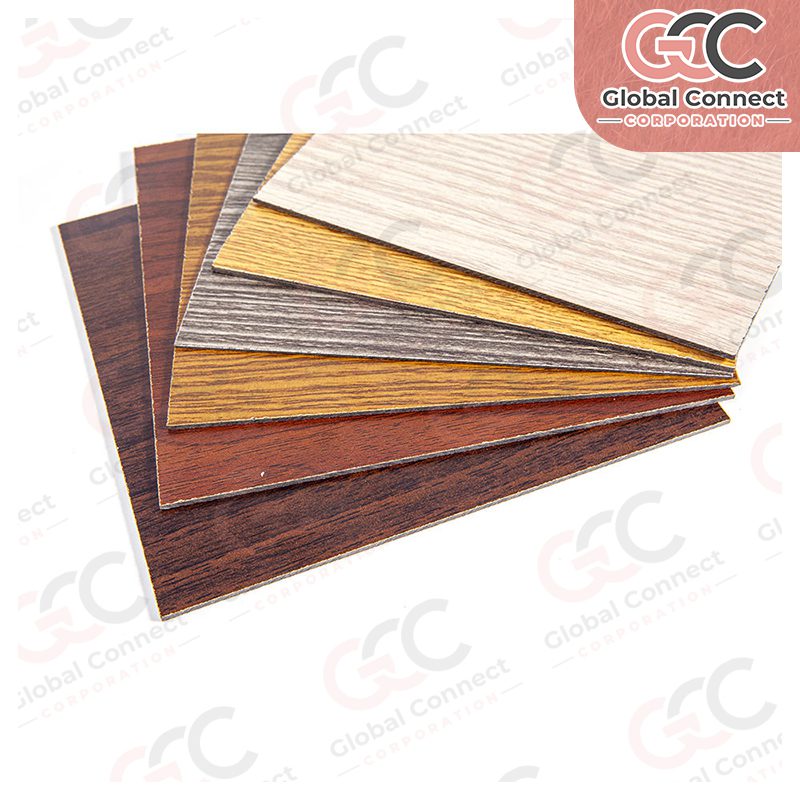
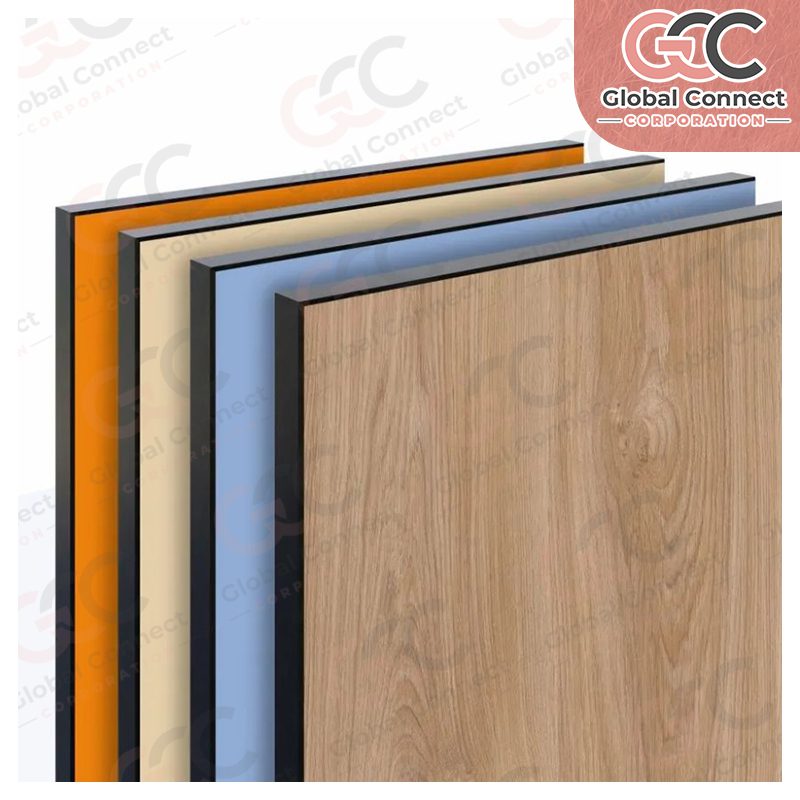
High-Pressure Laminates (HPL) deliver durable protection and aesthetic appeal for furniture, countertops, and architectural surfaces. Made by fusing multiple layers of kraft and decorative papers under heat and pressure, HPL sheets offer excellent abrasion resistance, stain and chemical resistance, and lasting durability.
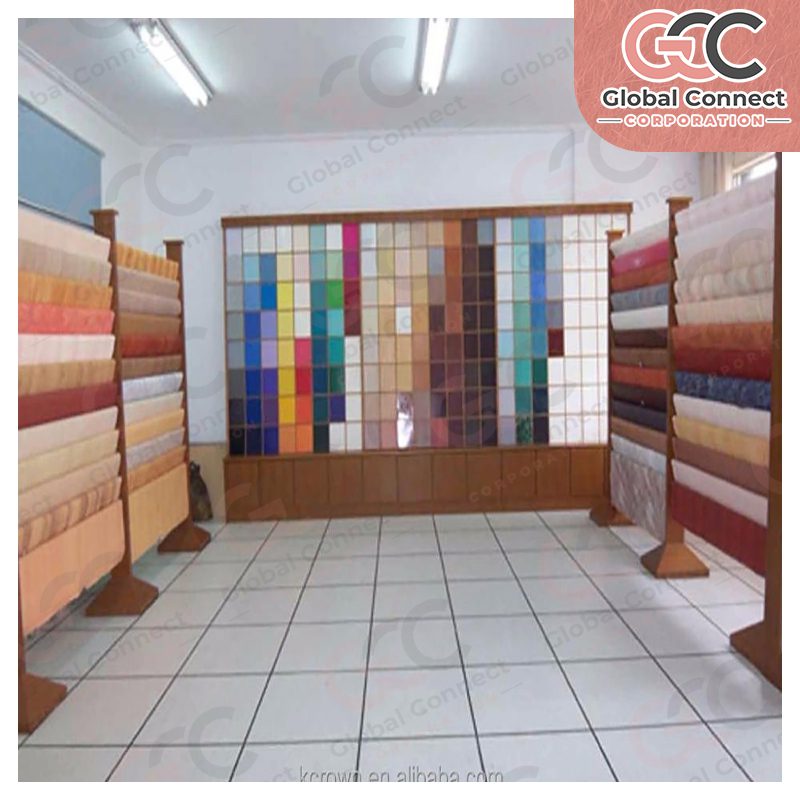
Available in a wide range of finishes and customizable prints, these laminates meet high standards for export quality and design flexibility in residential, commercial, and hospitality sectors.
Product Types: Resin-impregnated durable laminate sheets for furniture, countertops, and wall panelling
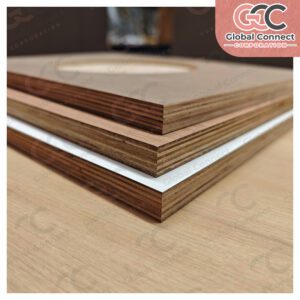
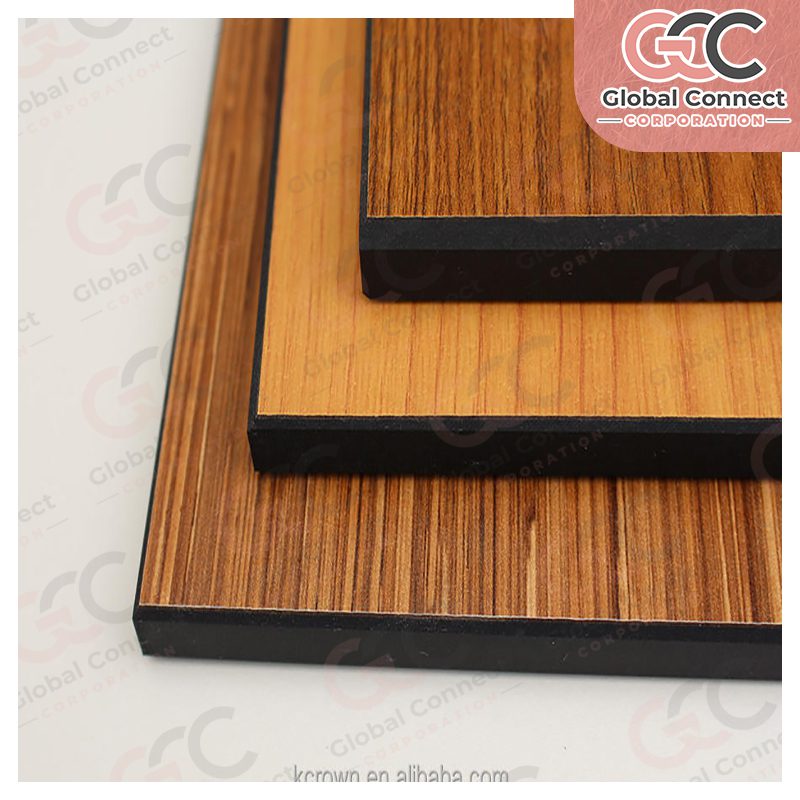
Material Options: Kraft paper core, decorative melamine surface, phenolic resin backing
Thickness Range: 0.6 mm to 1.5 mm standard thicknesses
Sizes: Standard 8×4 ft (2440×1220 mm), with custom cuts available
Performance: Abrasion resistance ≥1500 cycles (EN 438), stain and chemical resistant, heat and impact resistant
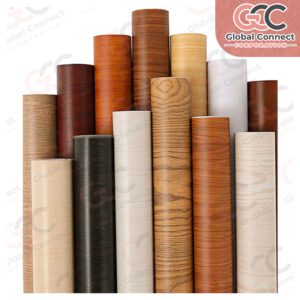
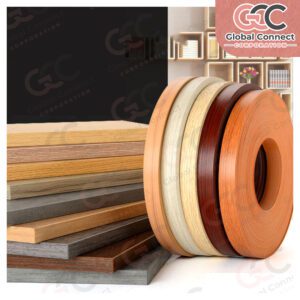
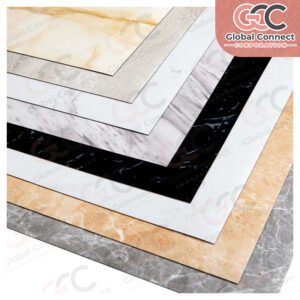
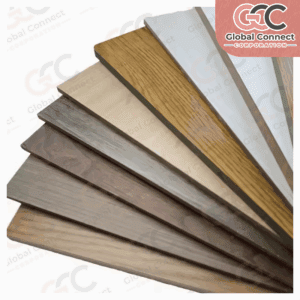
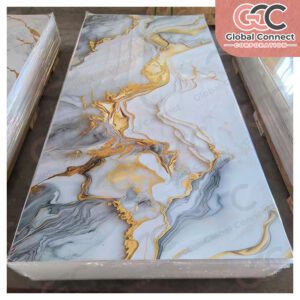
Finish Options: Glossy, matte, satin, textured, wood grain, metallic, stone effect
Certifications: ISO 4586, EN 438, ISO 9001:2015, GREENGUARD certified
Applications: Furniture surfaces, worktops, wall panels, cabinetry
Special Features: Scratch resistant, color stable, eco-friendly manufacturing
Frequently Asked Questions – HPL Laminates
Why do architects specify HPL laminates for commercial projects?
HPL laminates are widely specified for commercial buildings because they combine durability, premium aesthetics, and long-term performance for high-traffic interiors and demanding exterior applications.
How do façade contractors evaluate HPL panels before placing bulk orders?
Professional buyers typically assess panel density, UV resistance, weather performance, dimensional stability, surface finish consistency, and fixing compatibility before approving production.
Can HPL laminates be used for exterior cladding?
Yes. Exterior-grade HPL panels are engineered to withstand sunlight, rain, temperature fluctuations, and everyday weather exposure, making them suitable for façade and architectural cladding projects across Asia, the Gulf, Europe, and Africa.
What makes HPL suitable for high-traffic environments?
Its dense construction provides excellent resistance to scratches, stains, abrasion, and impact, making it a preferred choice for hospitals, schools, airports, hotels, retail spaces, and corporate offices.
How do commercial builders maintain a consistent appearance across large projects?
Standardized decor selection, controlled production processes, and batch-wise quality inspections help ensure colour, texture, and finish remain consistent across every shipment.
What installation methods are commonly used for HPL façade panels?
Depending on project requirements, HPL panels can be installed using visible fixing systems, concealed fixing systems, aluminium support structures, or ventilated façade systems.
What performance tests do international buyers commonly request?
Buyers frequently request abrasion resistance, impact resistance, UV stability, colour fastness, dimensional stability, moisture resistance, and fire-performance documentation before shipment.
What trends are driving demand for HPL laminates?
Modern architecture, ventilated façades, sustainable building materials, low-maintenance exterior finishes, and premium commercial interiors continue to increase demand across Asia, the Gulf, Europe, and Africa.
Can GCC manufacture HPL laminates for OEM and private-label brands?
Yes. GCC offers OEM manufacturing with customized panel sizes, thicknesses, decors, finishes, branding, and export-ready packaging for distributors and wholesale buyers.
Why do distributors and project buyers partner with GCC for HPL laminates?
GCC combines manufacturing excellence, export-quality production, OEM and private-label manufacturing, an integrated manufacturing and distribution network, and dependable global delivery to support long-term business partnerships across Asia, the Gulf, Europe, and Africa.