
Product Details
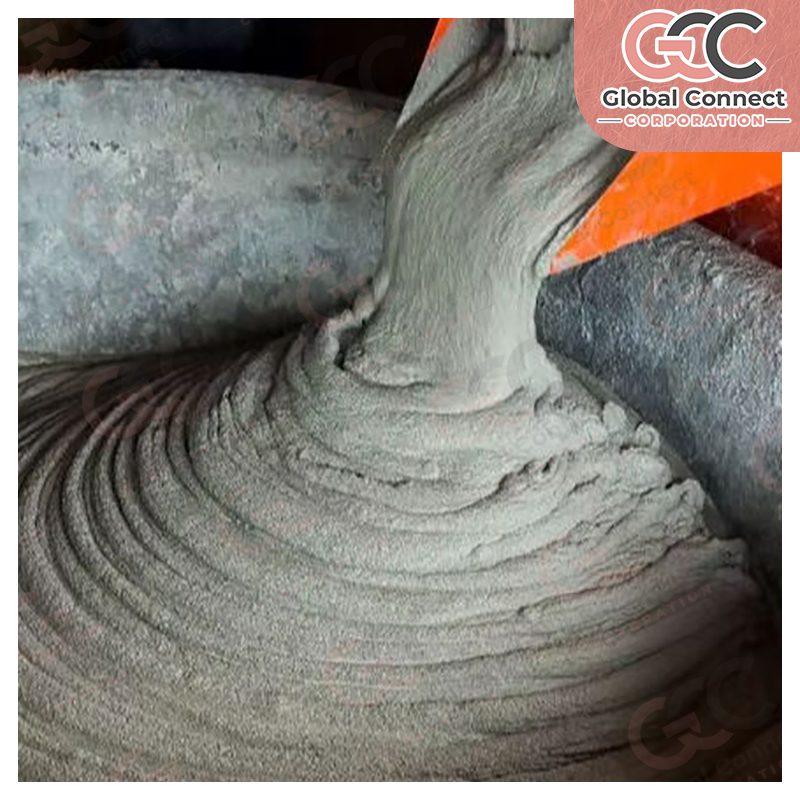
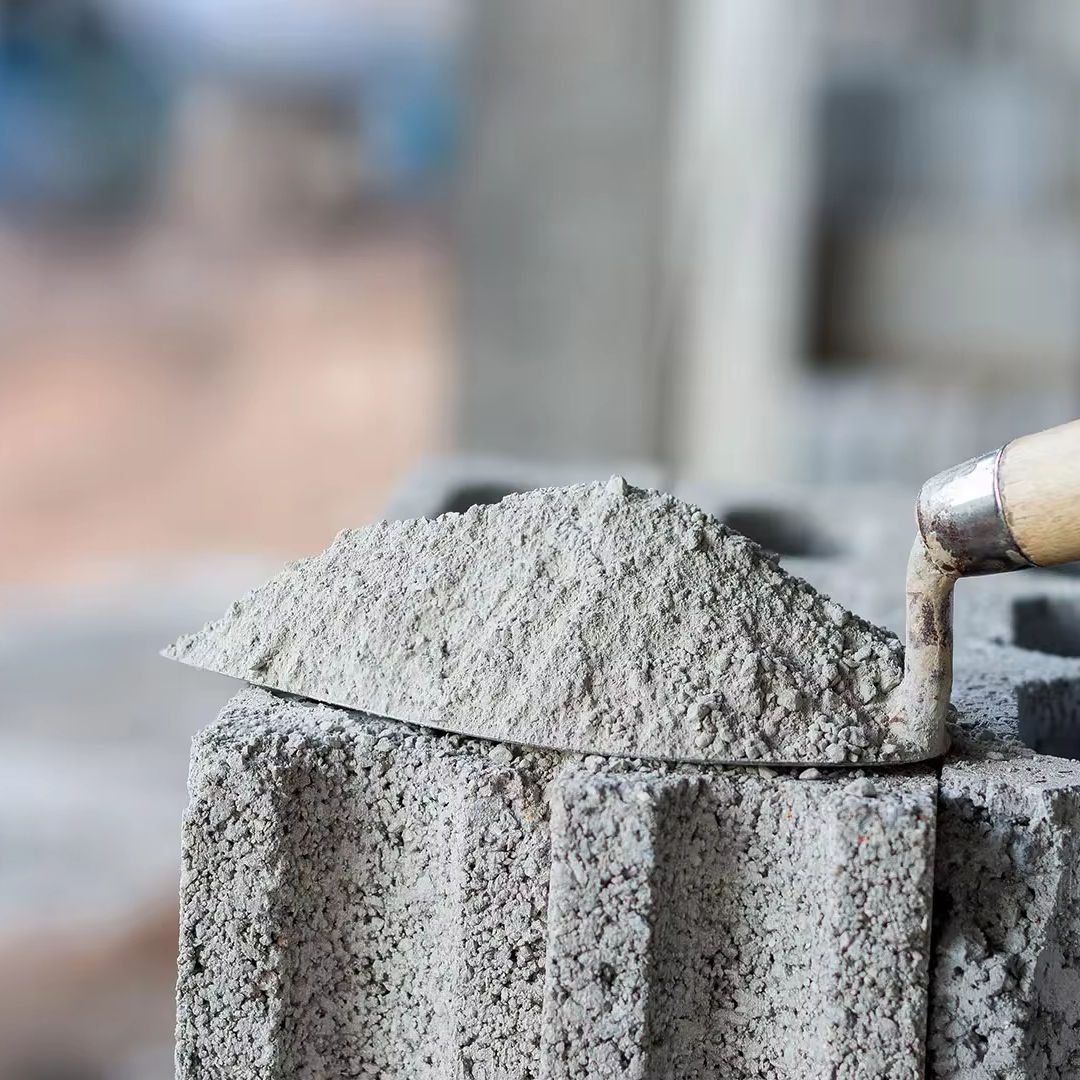
Our cement range offers high-quality, reliable binding materials suitable for a wide variety of construction needs. OPC variants provide early strength and durability, making them ideal for diverse infrastructure projects. PPC and PSC offer enhanced sustainability and improved durability through the integration of pozzolanic materials and slag, respectively.
White Cement adds aesthetic value to decorative and architectural applications. Bulk supply options ensure efficient logistics for large-scale projects, supported by strict quality control and international certifications, meeting global building standards.
Product Types: Ordinary Portland Cement (OPC), Portland Pozzolana Cement (PPC), Portland Slag Cement (PSC), White Cement, Bulk/Custom Project Cement
Materials: Clinker, gypsum, pozzolanic additives (fly ash, slag, natural pozzolana)
Grades: OPC (33, 43, 53), PPC (43, 53), PSC (43, 53), White Cement
Packaging: 50 kg bags (PP/HDPE and paper), jumbo bags, bulk tanker deliveries
Certifications: IS 269, IS 1489, IS 455, IS 8041, ASTM C150, ASTM C595, BS 8041, EN 197, ISO 9001
Applications: Construction, infrastructure, industrial projects, marine works, precast elements
Additional Features: High strength, reliability, sustainability focus, custom packaging and supply options
MOQ & Lead Time: Typically 1,000 to 5,000 bags for retail; 25,000+ MT for bulk; lead time 1 to 6 weeks
Frequently Asked Questions – Cement
How do project buyers decide between OPC and PPC cement for large construction projects?
The choice depends on structural requirements, construction speed, environmental conditions, and project specifications. Many contractors use different cement grades across the same project for foundations, structural work, masonry, and finishing.
When does bulk cement become more economical than bagged cement?
Large infrastructure projects, ready-mix plants, and continuous production sites often benefit from bulk cement because it reduces packaging waste, improves unloading efficiency, and streamlines site logistics.
How do ready-mix plants maintain consistent concrete quality with imported cement?
Production teams typically standardize cement specifications, conduct routine quality checks, and maintain consistent supply batches to achieve predictable concrete performance throughout production.
Which industries generate the strongest demand for cement?
Infrastructure projects, commercial construction, residential developments, precast manufacturing, ready-mix concrete plants, industrial facilities, and government projects continue to drive demand across Asia, the Gulf, Europe, and Africa.
What should importers verify before placing a bulk cement order?
Professional buyers typically confirm cement grade, packaging format, shipment quantity, loading method, documentation, and production consistency before approving export shipments.
How do contractors reduce material losses during cement storage?
Proper warehouse ventilation, dry storage conditions, elevated stacking, and careful stock rotation help preserve cement quality before use.
Can GCC supply cement for phased construction projects?
Yes. Large projects often require scheduled deliveries that align with construction milestones, helping contractors maintain uninterrupted work across multiple phases.
How do distributors improve inventory planning for cement?
Many distributors forecast demand around seasonal construction activity, project pipelines, and regional consumption patterns to maintain efficient stock levels.
What trends are influencing cement procurement today?
Growth in infrastructure investment, sustainable construction practices, precast production, ready-mix concrete adoption, and industrial expansion continues to increase demand across Asia, the Gulf, Europe, and Africa.
How does GCC support large-volume cement procurement?
GCC supplies export-quality cement in bulk and bagged formats with OEM and private-label options, flexible shipment planning, and dependable supply programs designed for distributors, contractors, ready-mix producers, and large construction projects across Asia, the Gulf, Europe, and Africa.