July 21, 2026
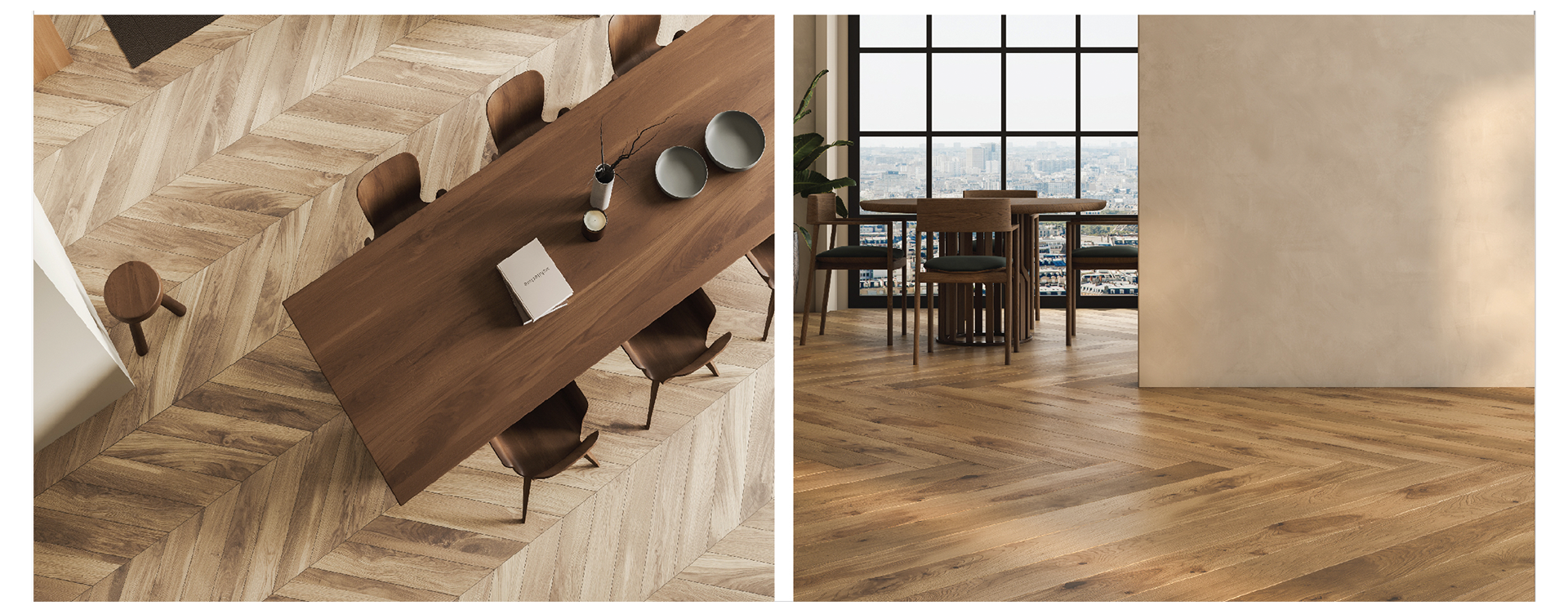
Future of PVC Foam Boards in Furniture, Signage & Interior Design
Why Future of PVC Foam Boards in Furniture, Signage & Interior Design ? PVC foam boards are moving from a...

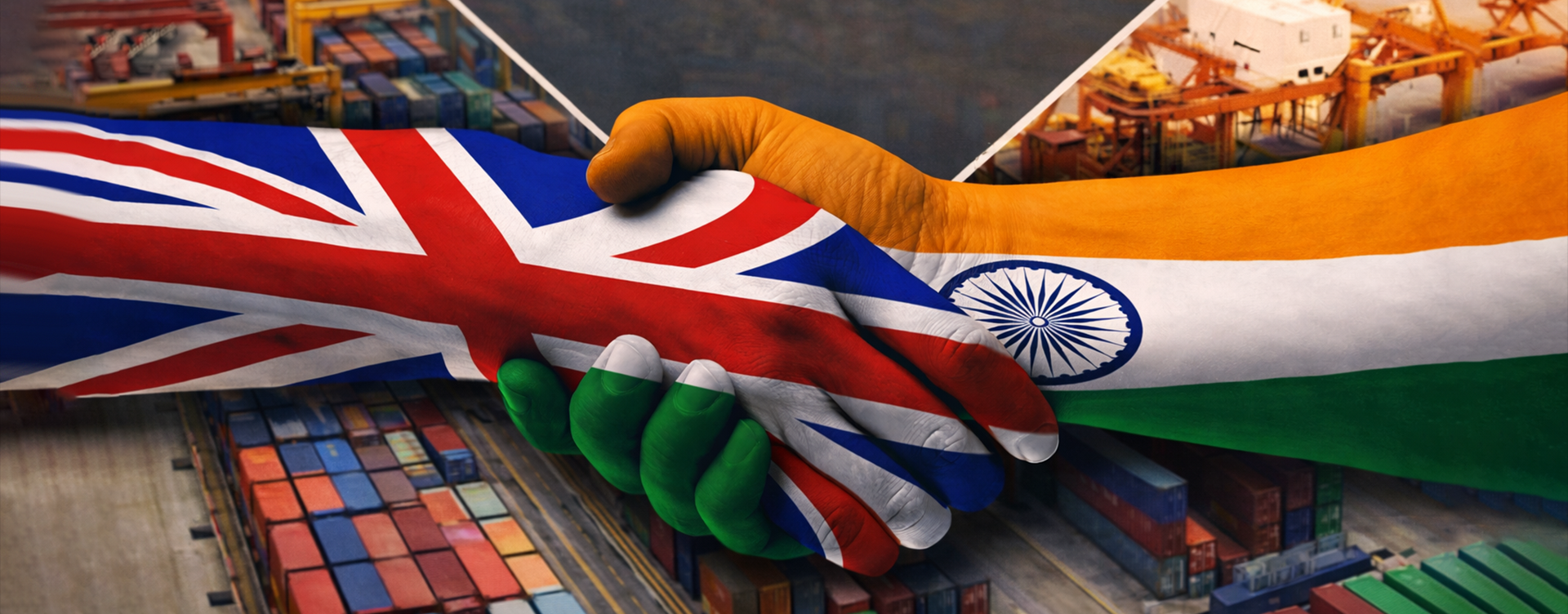
UK–India Free Trade Agreement: What ItMeans Now for UK Importers of BuildingMaterials?
UK–India Free Trade Agreement (FTA) has already been politically concluded and formally approved in July 2025, with goods-trade schedules and tariff-reduction commitments published as part of the signed framework – entry into force targeted for in 2026 following ratification.
This makes the UK–India corridor materially different for importers: the benefits are regulatory, documented, and actionable – not hypothetical, covering ~99% of Indian goods exports to the UK with zero or reduced duties on industrial lines like steel, cement, ceramics, tiles, PVC products, laminates, plywood, hardware, and construction chemicals – previously facing 4-16% MFN duties.
For UK wholesalers, distributors, and importers of building materials, the agreement directly reshapes sourcing economics, where the UK has historically relied on China, Turkey, Eastern Europe, and intra-EU suppliers, now granting Indian-origin materials preferential or zero-duty access – immediately improving landed cost, lead time, and supply-chain resilience amid CBAM enforcement (January 2026).
The UK–India Trade Framework: What Is Already Signed ?
Under the signed UK–India FTA framework and goods schedules :
This places India preferentially versus China (MFN + anti-dumping risk), Turkey (volatility), and non-FTA Asians.
Read More About GCC’s Building Materials Product Range
Why This Matters to UK Building-Material Importers ?
The UK’s Current Sourcing Reality
UK construction demand remains structurally supported by :
However, sourcing managers face four structural constraints :
The UK–India FTA directly addresses these, with India’s 2024 exports already at US$15.22B total (ceramics US$149M HS69, stone/plaster/cement US$118M HS68, plastics/misc significant).
Current UK Import Volumes from Key Origins (Illustrative 2024 Patterns)
| Product Family/Category | Primary Origins (Share Est.) | India’s Current UK Export Value (2024) | Notes on India’s Position |
|---|---|---|---|
| Iron & Steel (HS72-73) | China, Turkey, EU | Significant (metals growth) | Rebards/sections scaling; CBAM-ready. |
| Ceramic Products (HS69) | China, Turkey, Spain/Italy | US$149 million | Vitrified tiles strong; global $510B by 2030. |
| Stone/Plaster/Cement (HS68) | China, intra-UK/EU | US$118 million | Tariff-limited bulk; now free. |
| Plastics/PVC (HS39) | China, Eastern Europe | Significant | Pipes/foams growing. |
| Wood/Plywood/Laminat es (HS44) | China, EE | Growing (~US$1.3B global India plywood) | UK interiors fit. |
| Furniture Hardware (HS83) | China, Turkey | US$131M misc metal articles | SS/soft-close grades gaining. |
| Construction Chemicals (HS38) | China, intra-UK | Part of chemicals | UK market US$1.3B 2024→$1.5B 2030. |
Pre-FTA vs Post-FTA: Landed Cost Reality for the UK
UK Import Cost Shift Table (Based on Signed Tariff Schedules)
| Product Category | Typical MFN Duty (UK)* | India Under FTA | Pre-FTA India Landed | Post-FTA Landed (India) | Est. Savings |
|---|---|---|---|---|---|
| Ceramic/Vitrified Tiles (m2) | 6–8% | 0% | US$4.55–4.70 | US$3.70–3.90 | 10–15% |
| Iron/Steel Flat (MT) | 5–7% | 0–2% | US$680–700 | US$600–620 | 8–10% |
| MS Sheets/Rebars (MT) | 5–7% | 0–2% | US$680–700 | US$600–620 | 8–10% |
| Cement (bulk, MT) | 8–10% | 0% | US$68–72 | US$57–60 | 12–15% |
| PVC Pipes/Fittings (MT) | 6–8% | 0–2% | US$900–940 | US$820–850 | 8–12% |
| HPL Laminates (m2) | 6–7% | 0% | US$4.70–4.95 | US$4.10–4.30 | 8–11% |
| Plywood (m3) | 6–8% | 0–2% | US$450–485 | US$410–440 | 7–10% |
| Furniture Hardware (1k pcs) | 6–8% | 0% | US$210–225 | US$175–185 | 10–15% |
| Construction Chemicals (kg) | 5–6% | 0–2% | US$1.60–1.70 | US$1.50–1.60 | 6–9% |
| PVC Foam Boards (m2) | 6–8% | 0–2% | US$4.80–5.20 | US$4.40–4.60 | 8–10% |
*Indicative; **Freight/handling incl. Sources: UK schedules/COMTRADE/GCC. Net: 6–15% landed savings, India ex-factory 10-24% cheaper.
Read More About GCC’s Construction Chemical Range
India vs Other UK Sourcing Origins (Post-FTA Reality)
| Comparison | India (FTA) | China | Turkey | Eastern Europe |
|---|---|---|---|---|
| Duty | 0-2% | MFN 5-10% + defense | MFN volatile | Higher base |
| Lead Time | 20-25 days | 35-45 days | Variable | 15-30 days |
| Risks | Low (FTA) | High (geopol/FX) | Currency | Energy/labor |
| Outcome | Primary | Alternate | Niche | Premium |
What the UK Exports to India (The Reverse Corridor) ?
Reciprocal signed framework: UK £400M immediate cuts to £900M over 10 years./span>
Read More About GCC’s Laminates Product
Practical Importer Scenarios (UK Market)
Annual : 8,000–12,000 MT (70% China/Turkey at £500-600/MT landed).
Post-FTA : 30–40% India shift (0% duty).
Steel : £600→£550 (↓8%)
Cement : £70→£60 (↓14%)
Outcome : £400K–£700K savings, CBAM edge, stable pricing.
Annual : 700K–1M m2 tiles + 400K laminates/boards (China/EE at £4.40-4.70/m2). India 15-20%.
Post-FTA : 40-50% India.
Tiles : ↓12%
Laminates-FTA : ↓10%.
Outcome : £600K–£900K savings; consolidated freight -10-15%; retail leadership.
Annual : Mixed SKUs (China dominant £1.20/kg chemicals, £200/1k hardware). India ~ 20%.
Post-FTA : 35% shift. Savings 7-15%/category + 20-25d leads vs China 40d.
Outcome : £300K+ efficiency; diversification.
These leverage signed regs for real shifts.
Where GCC Fits In ?
GCC is built for FTA-enabled sourcing:
Explore GCC’s Full Range
Citations
https://tradingeconomics.com/united-kingdom/imports/india
https://www.gov.uk/guidance/tariffs-on-goods-imported-into-the-uk





 0
0
 0
0 0
0 0
0