July 21, 2026
Future of PVC Foam Boards in Furniture, Signage & Interior Design
Why Future of PVC Foam Boards in Furniture, Signage & Interior Design ? PVC foam boards are moving from a...

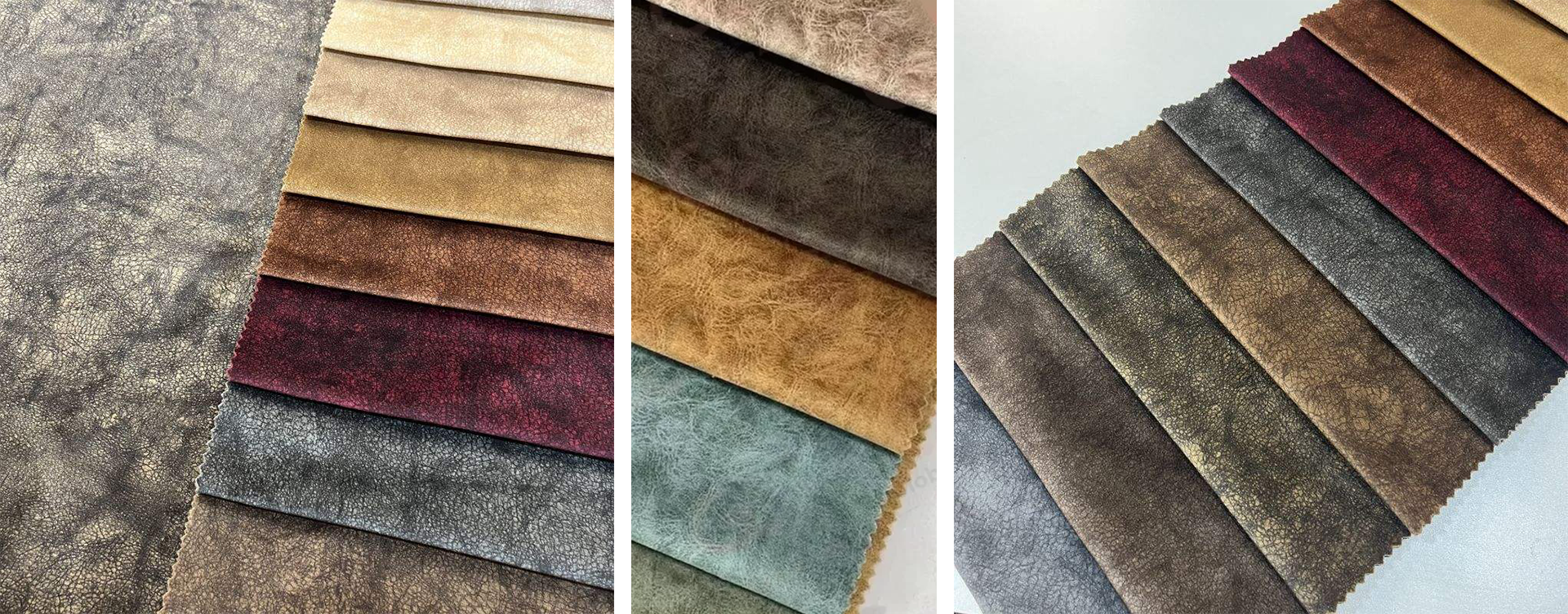
How to Reduce Upholstery Procurement Costs Without Losing Quality ?
The surge in material costs has become a pressing challenge across the upholstery industry in 2026, but navigating this pressure doesn’t mean compromising on quality or customer satisfaction. This guide provides a practical, structured framework for reducing upholstery material procurement costs while maintaining – or even improving – product quality.
The Market Reality in 2026
The global furniture upholstery fabric market was valued at USD 6.44 billion in 2026 and is projected to reach USD 9.01 billion by 2032, growing at a CAGR of 5.67%. With over 35% of upholstered furniture production traded internationally – representing nearly US$ 33 billion in global trade – cost pressure has become a universal challenge for manufacturers and distributors alike.
| Metric | Value |
|---|---|
| Global Upholstery Fabric Market (2026) | USD 6.44 billion |
| Projected Market (2032) | USD 9.01 billion |
| CAGR (2026 – 2032) | 5.67% |
| International Upholstered Furniture Trade | ~US$ 33 billion |
Successful procurement strategies now require a structured approach that goes beyond simple price negotiation.
Strategy 1 : Optimize Material Usage Through Technology
Material waste is one of the largest hidden costs in upholstery manufacturing. Investing in advanced cutting and sewing technology can significantly reduce waste and improve precision.
When design data is visible to sourcing partners, every subsequent step – from cutting to upholstery – benefits from clearer expectations and fewer surprises.
Read More : How to Build a Complete Upholstery Supply Chain for Sofa Manufacturing ?
Strategy 2 : Source Strategically and Diversify Suppliers
Building relationships with multiple suppliers allows for competitive pricing comparison and supply chain resilience. The most cost-effective approach isn’t always the cheapest per-meter price.
Supplier Evaluation Framework
| Evaluation Dimension | What to Look For | Why It Matters |
|---|---|---|
| Technical Capability | In-house weaving, dyeing, finishing | Reduces handoff delays and quality inconsistencies |
| Operational Reliability | On-time delivery ≥95%, reorder rate >60% | Strong indicators of long-term satisfaction |
| Order Flexibility | Low MOQs for sampling; scalable for bulk | Supports testing before large commitments |
| Response Time | ≤4 – 5 hours | Reflects organizational efficiency |
Strategy 3 : Consolidate Orders to Improve Bargaining Power
Consolidating multiple product categories through a single supplier with all-category integration capability can significantly reduce costs.
Consolidation Benefits :
Committed annual volumes, such as 5,000+ meters, often unlock 8 – 12% discounts from suppliers.
Strategy 4 : Implement Rigorous Quality Verification
Reducing costs through lower prices without quality verification is a high-risk strategy. Always validate performance through independent testing.
Mandatory Tests for Commercial Upholstery
| Test | Residential Minimum | Commercial Minimum |
|---|---|---|
| Martindale Rub Test | 20,000 cycles | 40,000+ cycles |
| Colorfastness (ISO 105-B02) | Grade 4 | Grade 5 |
| Pilling Resistance | Class 3+ | Class 4 |
| Flame Retardancy | BS 5852 Source 1 | Crib 5 / IMO |
Never rely solely on supplier-provided specifications. Request technical data sheets (TDS) and insist on pre-shipment inspections for orders over 1,000 meters.
Sample Testing Protocol :
Strategy 5 : Explore Sustainable and Alternative Materials
Sustainability is no longer a premium niche – it’s becoming a cost-effective sourcing strategy through lifecycle thinking.
The ROI of durability : A fabric that lasts 10 years instead of 3 is inherently more sustainable and has a lower total cost of ownership – a commercial argument that resonates across all markets.
Read More : Upholstery Fabric Trends Driving Premium Furniture Sales in 2026
Strategy 6 : Implement Fast-Fashion Responsiveness
A nimble sourcing strategy allows buyers to respond to trends without excessive inventory costs.
Key Tactics :
An approach of keeping several dozen base cloths in 1,000-yard lots enables new product delivery within a few weeks – balancing trend responsiveness with cost control.
Strategy 7 : Optimize Communication and Workflow Efficiency
Effective communication reduces errors, delays, and hidden costs.
Pre-Order Checklist :
Secure Payment Terms :
How Global Connect Corporation (GCC) Supports Upholstery Buyers ?
Global Connect Corporation (GCC) is one of India’s leading exporters, suppliers, and manufacturers of upholstery fabrics, sofa covers, foam, and related materials – serving furniture manufacturers, distributors, hospitality procurement teams, and interior fit-out contractors across the Gulf, Africa, Europe, and Southeast Asia.
With 200+ manufacturing units, 500+ completed export shipments, and active supply to 12+ countries, GCC operates at the scale and discipline that serious international buyers require. GCC does not act as a trading agent or marketplace – it is a direct exporter with full accountability for specification, quality control, OEM execution, certification documentation, and on-time delivery.
GCC Product Range
| Category | Products | Explore |
|---|---|---|
| Fabric Rolls | Velvet, linen-look, boucle, chenille, performance fabrics, jacquard | View Fabrics → |
| Velvet & Linen | Velvet fabric, linen fabric, blends | View Velvet → |
| Synthetic Leather | PU, PVC, bonded leather | View Leather → |
| Sofa Covers & Slipcovers | Stretch covers, fitted covers, decorative slipcovers | View Covers → |
| Outdoor Fabric | UV-resistant, waterproof outdoor upholstery | View Outdoor → |
| Furniture Foam | Mattress foam, sofa foam, HR foam, memory foam, flame-retardant foam | View Foam → |
To Discuss Your Upholstery Fabric & Sofa Cover Requirement
Call or WhatsApp : +91 99785 55485
Email : [email protected]
Website : www.gccoverseas.com





 0
0
 0
0 0
0 0
0