Product Details
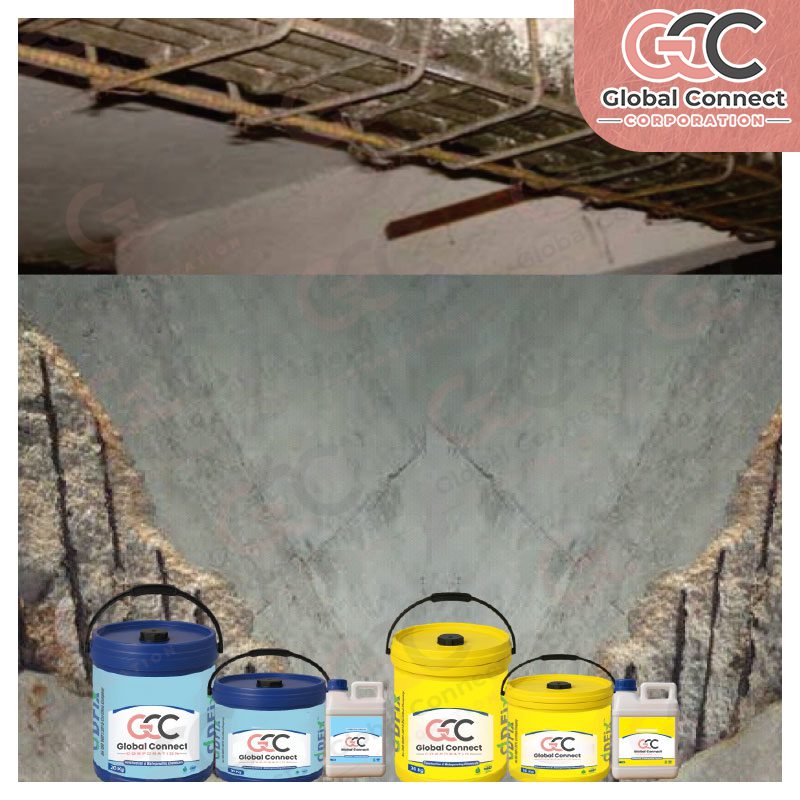
Our Bonding Agents & Repair Mortars range delivers superior solutions for concrete and masonry repair and strengthening. Latex and acrylic bonding agents improve adhesion and durability in overlays and restoration works. Epoxy bonding agents provide exceptional adhesion and resistance, ideal for structural and decorative fixing.
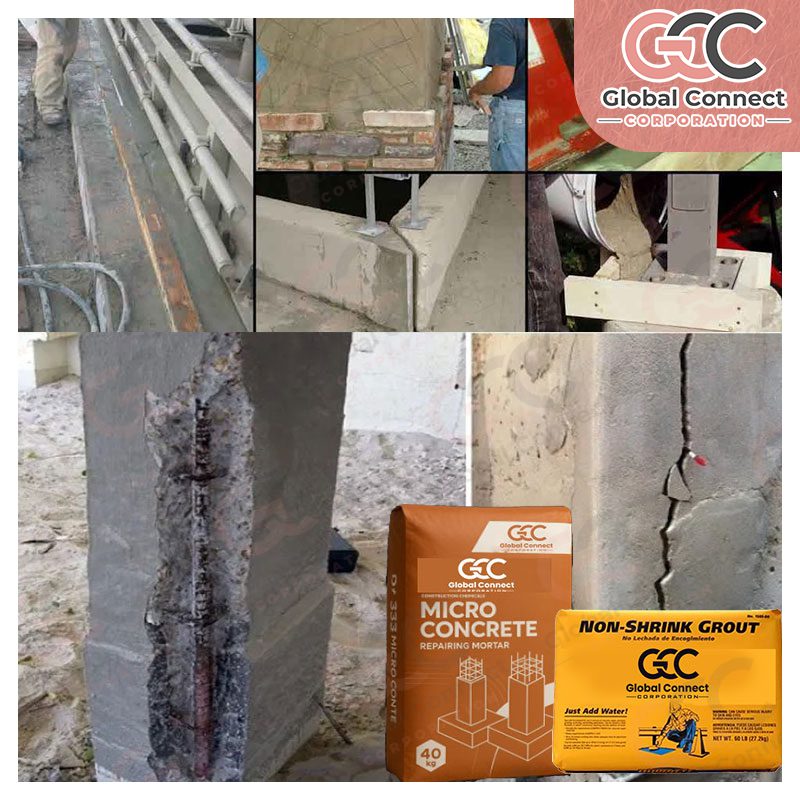
Polymer and resin-modified repair mortars offer enhanced strength, flexibility, and rapid setting, suitable for complex repairs. Non-shrink structural mortars ensure dimensional stability and load transfer in precision grouting and heavy machinery bases. All products are manufactured to stringent international standards, ensuring reliability and longevity in civil, industrial, and commercial construction projects.
Product Types: Latex & acrylic bonding agents, epoxy bonding agents, polymer/resin repair mortars, non-shrink & structural repair mortars
Material Options: Styrene-butadiene rubber (SBR) latexes, acrylic emulsions, epoxy resins, polymer-modified cements, cementitious and resin-based repair blends
Sizes & Configurations: Available in liquid emulsions, powders, single and two-component systems, premixed repair powders, and modular kits
Performance Specs: Enhances adhesion, improves flexural and tensile strength, reduces shrinkage, water-resistant, durable, flexible, non-toxic, corrosion resistant, quick setting
Compatibility: Suitable for concrete, mortar, plaster, masonry, brickwork, screeds, ceramic, marble, granite, metal, wood, and various repair substrates
Compliance: ISO 9001, ASTM, EN standards, BIS-certified where applicable
Customization: Various pack sizes from 500 g to drums and large sacks; tailored formulations and packaging options
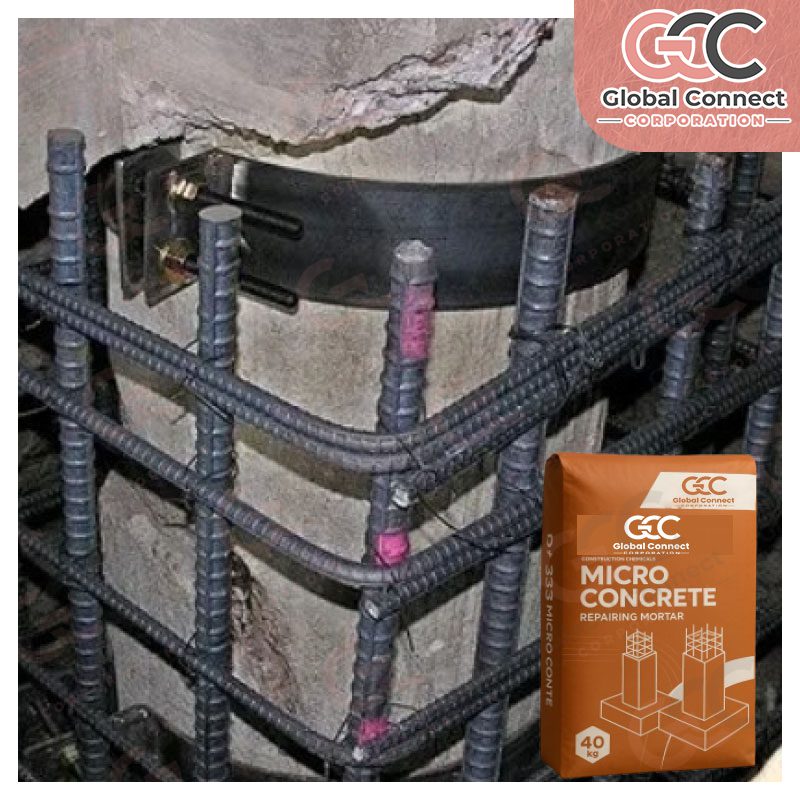
Applications: Concrete patching, bonding old to new surfaces, structural repairs, anchoring, waterproof overlays, flooring, façade rehabilitation
Frequently Asked Questions – Bonding Agents & Repair Mortars
Why do contractors use bonding agents before repairing old concrete?
Bonding agents create a stronger connection between existing concrete and fresh repair mortar, helping reduce the risk of debonding, hollow patches, and premature repair failure.
How do engineers decide between repair mortar and conventional cement mortar?
Repair mortars are engineered for controlled shrinkage, higher adhesion, and better durability, making them more suitable for structural repairs than ordinary cement mortar.
Which concrete defects can be repaired using repair mortars?
Repair mortars are commonly used for repairing spalled concrete, honeycombing, damaged edges, columns, beams, balconies, parking decks, bridge structures, and industrial floors.
Can repair mortars be applied on vertical and overhead surfaces?
Yes. Thixotropic repair mortars are designed to stay in place during vertical and overhead applications, reducing sagging and improving application efficiency.
How do contractors prepare damaged concrete before starting repairs?
Loose concrete is removed, exposed reinforcement is cleaned, weak surfaces are prepared, and the substrate is conditioned before applying bonding agents and repair mortars.
Which industries generate the highest demand for concrete repair solutions?
Bridge rehabilitation, industrial plants, commercial buildings, parking structures, marine infrastructure, power plants, tunnels, and public infrastructure projects continue to drive demand across Asia, the Gulf, Europe, and Africa.
How do repair contractors minimize downtime during rehabilitation projects?
Selecting repair systems with suitable working times, strength development, and application characteristics helps accelerate repair schedules while maintaining long-term performance.
What should project consultants verify before approving repair products?
Buyers typically evaluate bond strength, compressive strength, shrinkage control, crack resistance, curing performance, and compatibility with existing concrete before bulk procurement.
What trends are increasing demand for bonding agents and repair mortars?
Aging infrastructure, bridge rehabilitation programs, industrial maintenance, commercial building upgrades, and sustainable asset restoration continue to increase demand across Asia, the Gulf, Europe, and Africa.
Why do infrastructure contractors and rehabilitation specialists build long-term partnerships with GCC for repair solutions?
GCC combines manufacturing excellence, product innovation, export-quality production, OEM and private-label manufacturing, and dependable global delivery to support contractors, distributors, and concrete rehabilitation projects across Asia, the Gulf, Europe, and Africa.