Product Details
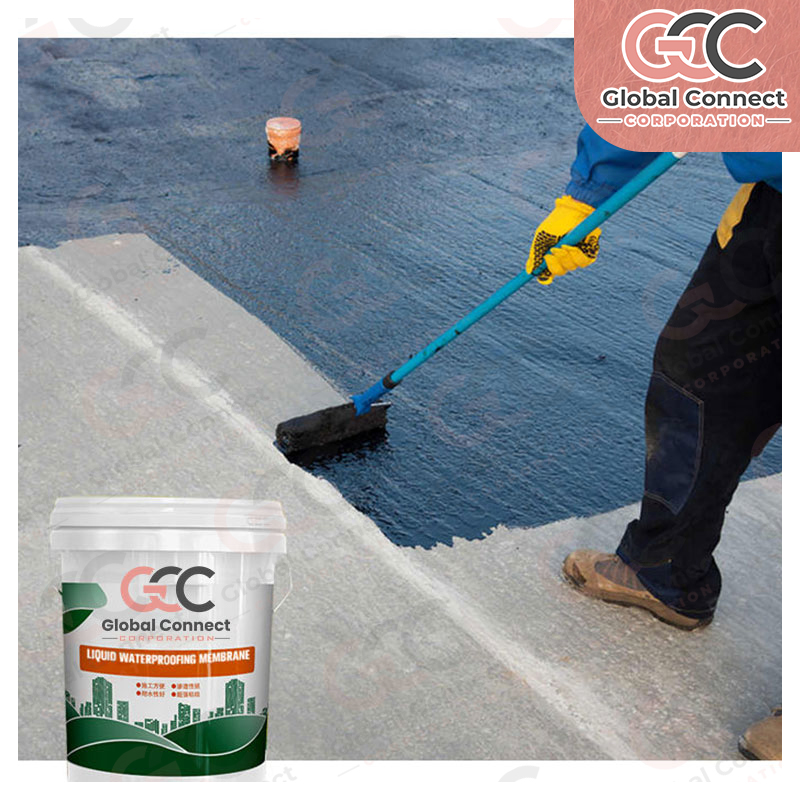
Our Waterproofing Systems offer a complete suite of solutions formulated to safeguard structures against water ingress and damage in diverse environments. Featuring liquid-applied membranes that provide seamless, crack-bridging barriers, versatile cementitious coatings for robust surface protection, and high-performance elastomeric coatings for flexible waterproofing, these products ensure dependable long-term defense.
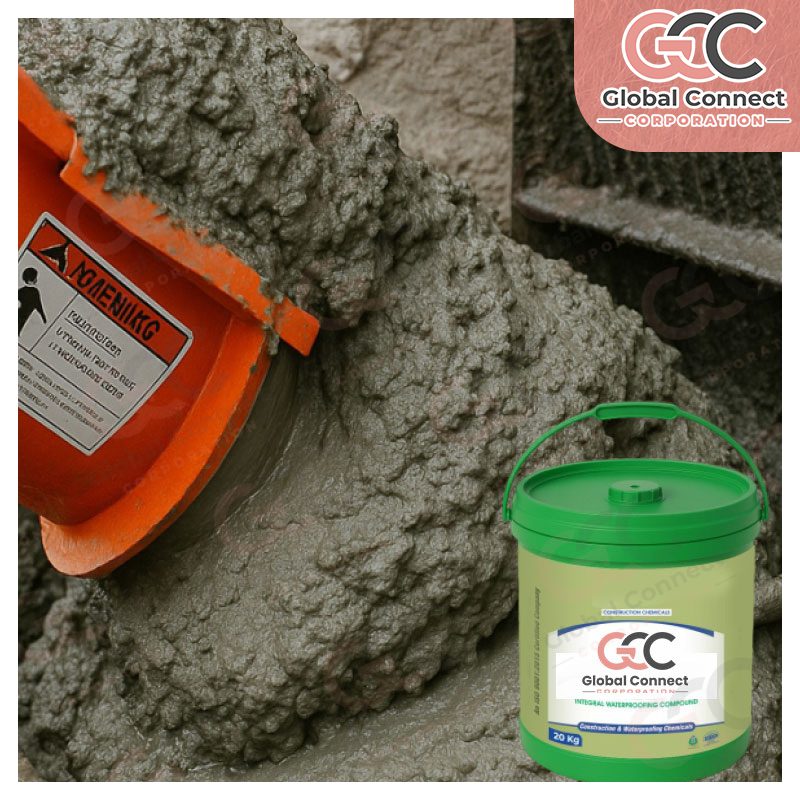
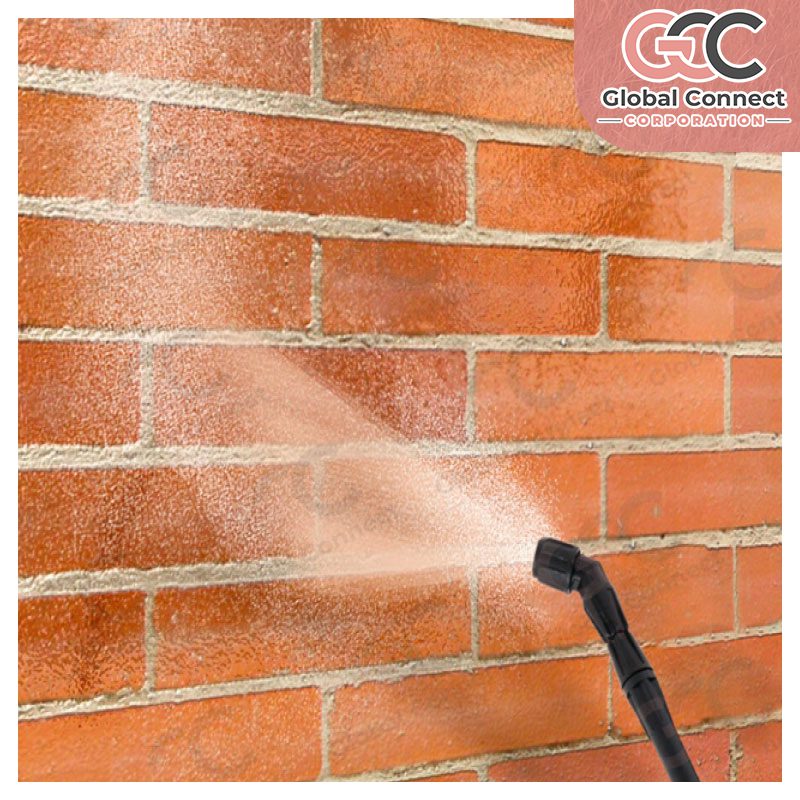
Integral waterproofing compounds chemically enhance concrete matrix waterproofing at a fundamental level. Advanced joint sealants and crack fillers maintain structural integrity and prevent leakage at vulnerable points, while water repellent coatings protect facades and porous surfaces without altering appearance. Certified to international standards and crafted for ease of application, our waterproofing range suits residential, commercial, and industrial applications globally, enhancing durability and reducing maintenance costs.
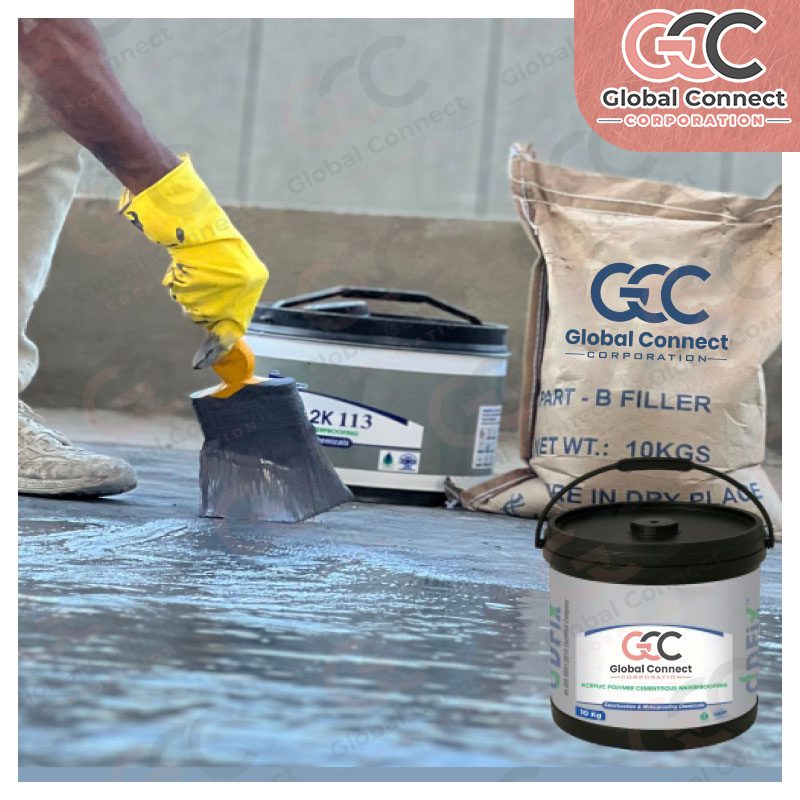
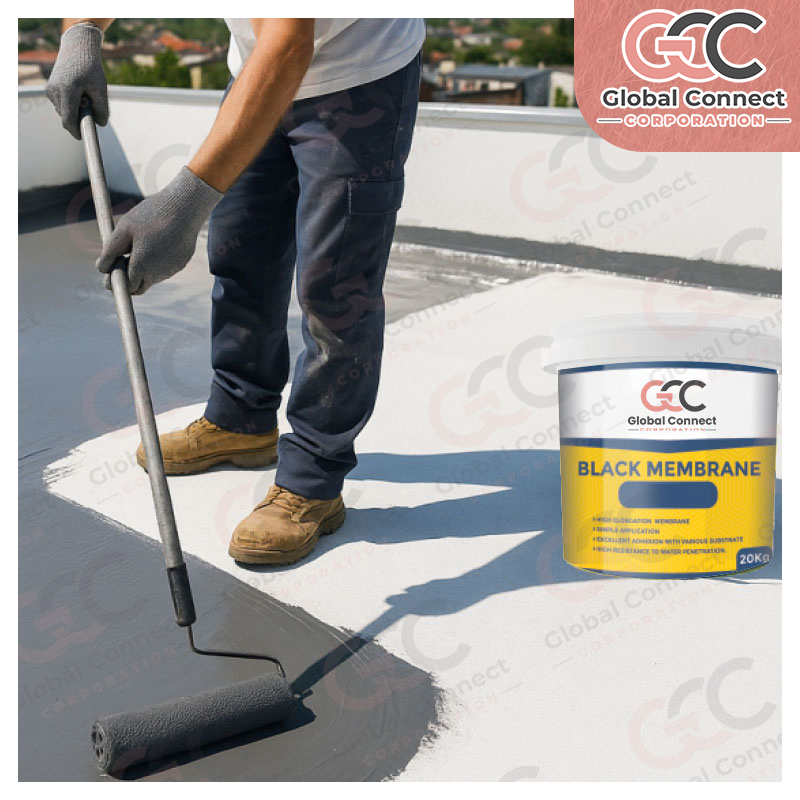
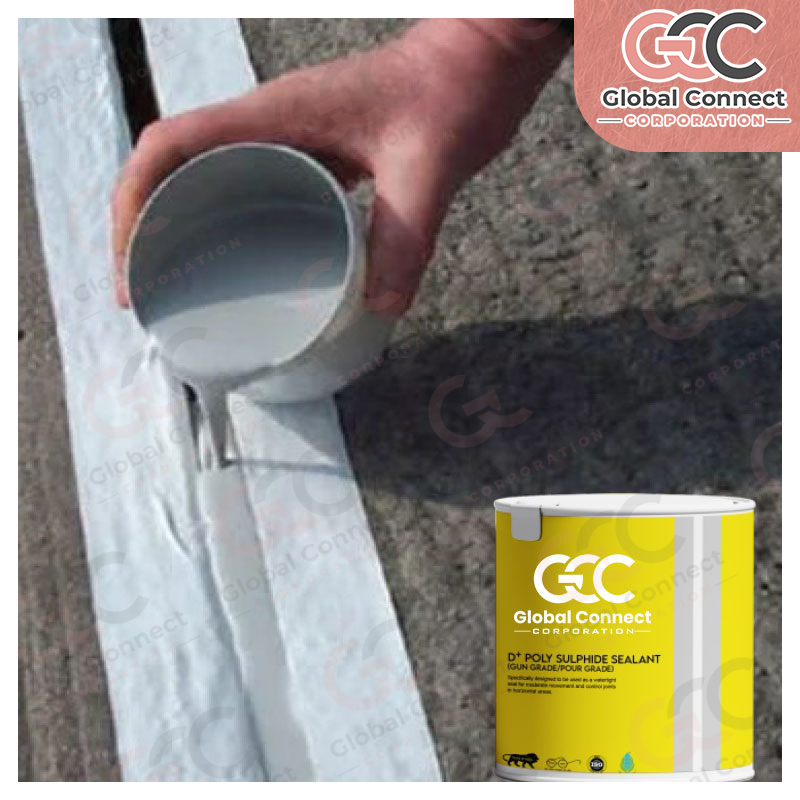
Product Types & Variants: Liquid applied membranes, cementitious waterproofing, elastomeric coatings, integral waterproofing compounds, joint sealants & crack fillers, water repellent coatings
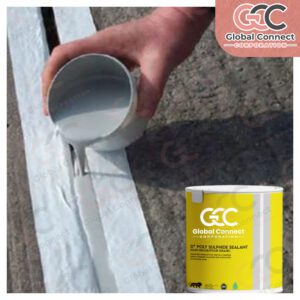
Material Options: Acrylics, polyurethane elastomers, cementitious compounds, epoxy resin, silicone, polysulphide sealants, advanced silicon resins
Sizes & Configurations: Available in liquid kits (1–25 kg), powders (bags 1–50 kg), cartridges, and containers from 1 L to 25 L depending on product type
Performance Specs: Crack bridging, waterproof barriers, UV and chemical resistance, fast curing, durable adhesion, flexible sealing, water repellency to porous substrates
Finish / Colour Options: Matte, satin, gloss, frosted, clear, colored, anti-glare coatings
Quality & Certifications: IS, ASTM, EN standards, ISO 9001:2015 certified manufacturing
Customization Options: Custom mix ratios, packaging sizes, color variants, tailored formulations
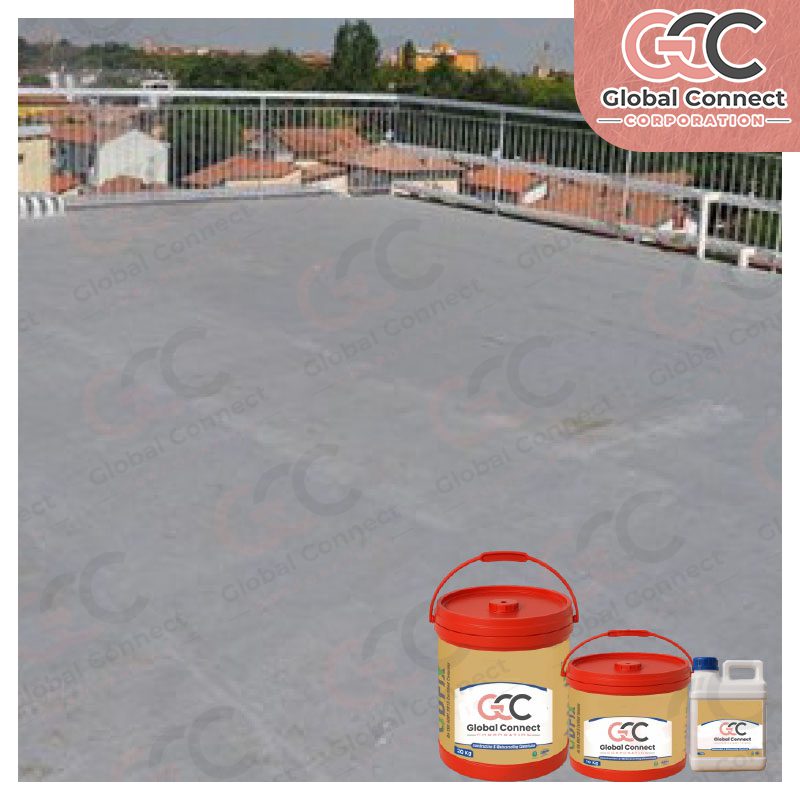
Applications: Roofs, terraces, balconies, water tanks, basements, retaining walls, tunnels, industrial floors, concrete/mortar waterproofing
Frequently Asked Questions – Waterproofing Systems
How do project consultants decide which waterproofing system to specify?
The selection depends on the structure’s exposure to water, substrate type, movement requirements, installation method, and expected service life. Basements, roofs, wet areas, water tanks, and foundations often require different waterproofing solutions.
Why do builders treat waterproofing as a lifecycle investment rather than a finishing product?
Early waterproofing helps prevent structural deterioration, repair costs, project delays, and future maintenance, making it one of the highest-value investments in a building’s long-term performance.
Which areas of a building are most vulnerable to water leakage?
Roofs, basements, retaining walls, balconies, bathrooms, podium slabs, foundations, and water-retaining structures are among the most critical areas where waterproofing performance directly affects building durability.
How do contractors ensure waterproofing performs after concrete movement?
Flexible waterproofing systems are selected for structures that experience thermal expansion, shrinkage, and minor structural movement, helping maintain continuous protection over time.
What should project buyers verify before approving a waterproofing system?
Professional buyers typically evaluate adhesion performance, crack-bridging capability, elongation, weather resistance, substrate compatibility, application coverage, and expected service life before approving bulk supply.
How do waterproofing systems help reduce long-term maintenance costs?
Proper waterproofing minimizes leakage repairs, protects reinforcement from moisture-related deterioration, extends structural life, and reduces future maintenance expenses for building owners.
Which construction sectors generate the highest demand for waterproofing systems?
Residential developments, commercial buildings, industrial facilities, hospitals, hotels, infrastructure projects, water treatment plants, and government construction continue to drive demand across Asia, the Gulf, Europe, and Africa.
How do contractors avoid waterproofing failures during installation?
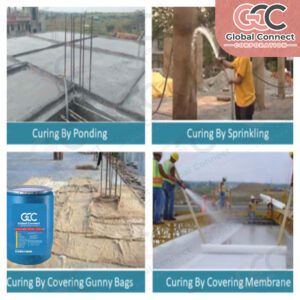
Proper surface preparation, correct product selection, recommended application thickness, curing conditions, and following installation guidelines help achieve reliable long-term waterproofing performance.
What trends are shaping the waterproofing industry?
Sustainable construction, green roofs, longer-lasting protective systems, crack-bridging technologies, and high-performance waterproofing solutions are increasing demand across Asia, the Gulf, Europe, and Africa.
Why do developers, contractors, and distributors partner with GCC for waterproofing systems?
GCC combines manufacturing excellence, product innovation, export-quality production, OEM and private-label manufacturing, and dependable global delivery to support long-term construction partnerships across Asia, the Gulf, Europe, and Africa.