Product Details
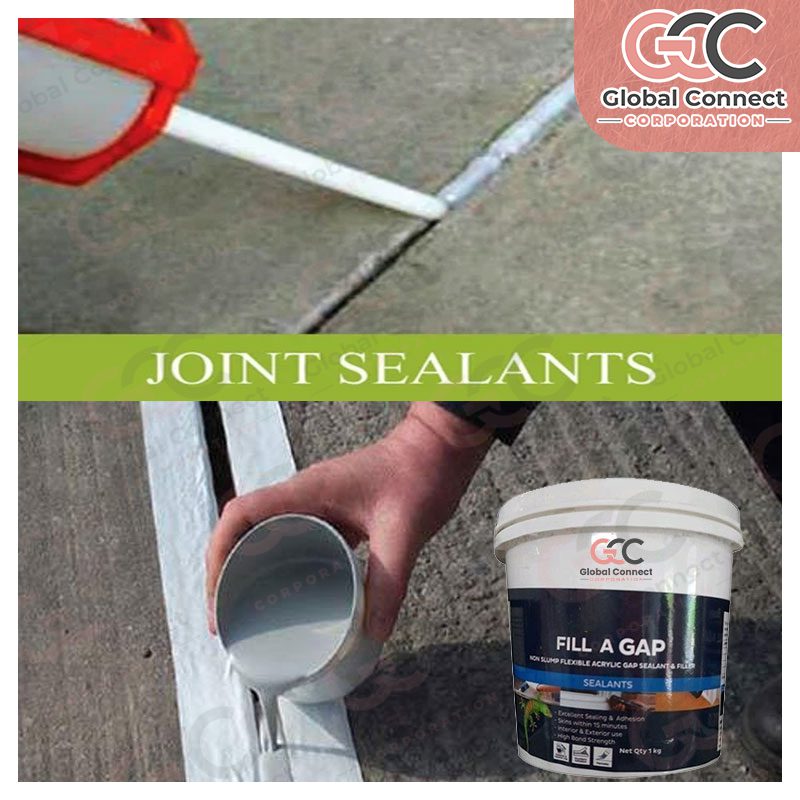
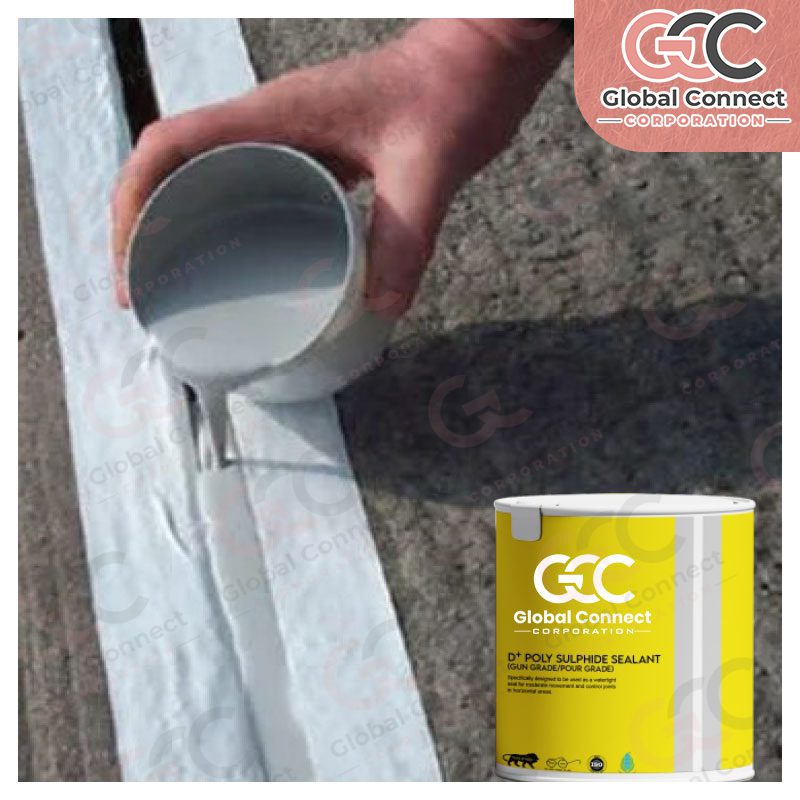
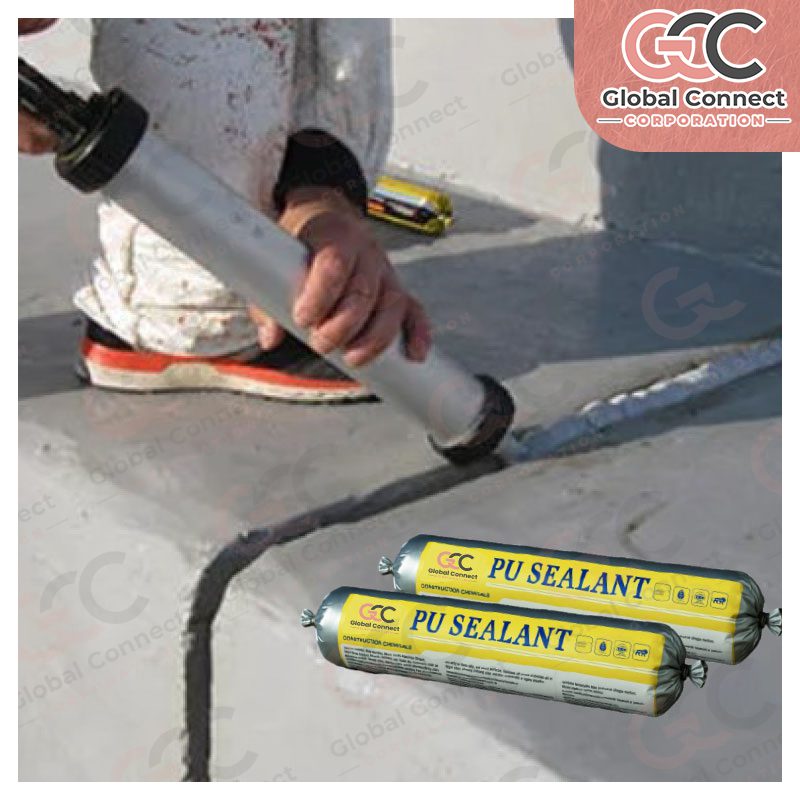
Our Sealants and Joint Fillers range offers high-performance solutions to protect and seal building joints in diverse environments. Polyurethane sealants provide outstanding elasticity and weather resistance for dynamic expansion joints. Polysulphide sealants excel in highly demanding applications requiring chemical resistance and long-term durability.
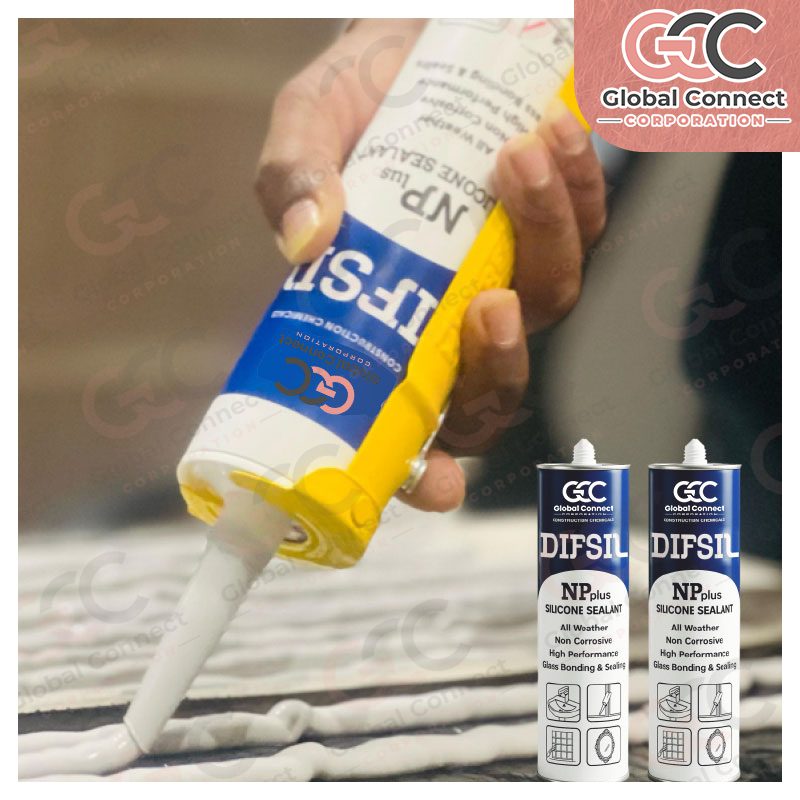
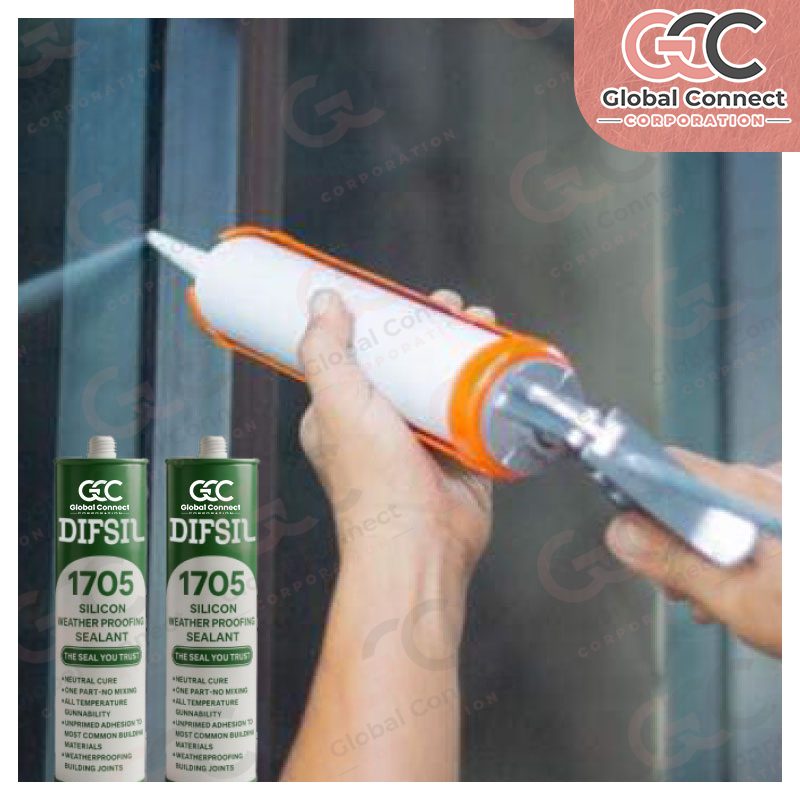
Silicone and hybrid sealants deliver permanent flexibility and superior adhesion for architectural glazing and sanitary sealing. Acrylic fillers offer cost-effective sealing for low-movement joints. Compliant with international standards, these products ensure watertight, flexible, and durable seals that maintain.
Product Types: Polyurethane (PU) sealants, polysulphide sealants, silicone & hybrid sealants, acrylic joint fillers
Material Options: Polyurethane, polysulphide, silicone, acrylic, and hybrid polymer formulations
Sizes & Configurations: One- and two-component sealants; cartridges, sausages (600ml), pails, kits, tubes ranging from small retail sizes to bulk packaging
Performance: Flexible, durable waterproofing; high elongation and crack bridging; UV, weather, chemical resistance; color and movement accommodation up to ±50%
Compatibility: Suitable for concrete, masonry, metals, ceramics, glass, wood, drywall and composite substrates
Finish & Colour Options: Matte, satin, gloss, clear, white, grey, black, and customizable colors and branding
Certifications & Compliance: ISO 9001:2015, ASTM C920, EN 15651, EN 14188, ASTM C719, CE, RoHS, REACH
Customization: Multiple packaging options, color matching, branding, tailored formulations, special sealants with mold and mildew resistance
Applications: Exterior and interior joints, expansion and control joints, facades, sanitary sealing, curtain walls, waterproofing, flooring, gap filling, crack repair
Frequently Asked Questions – Sealants & Joint Fillers
Why do warehouse contractors install joint fillers instead of leaving floor joints open?
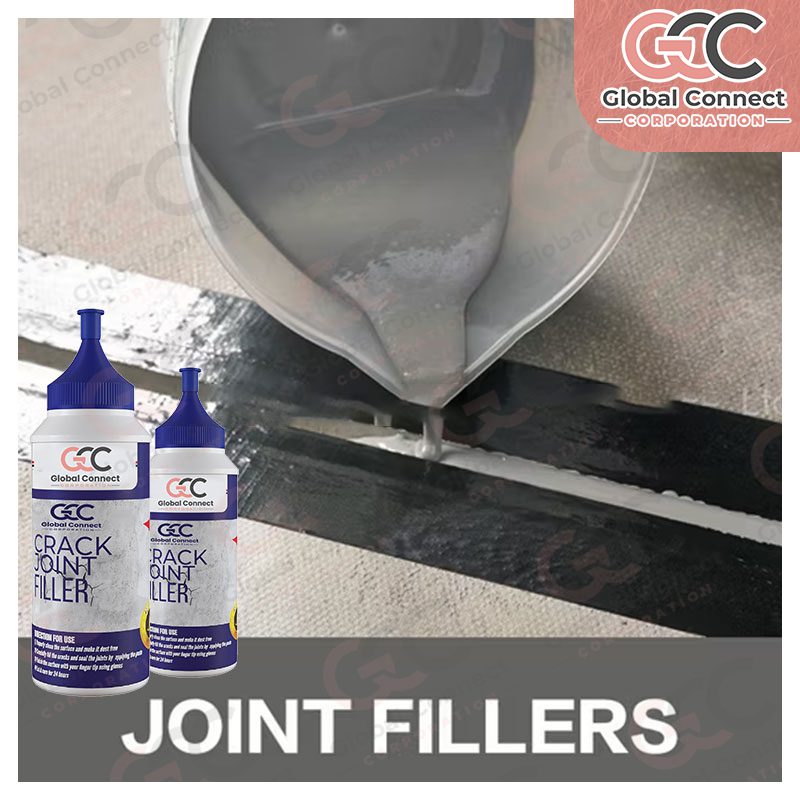
Open joints can chip, collect debris, and deteriorate under forklift traffic. Joint fillers help protect concrete edges, reduce maintenance, and improve the service life of industrial floors.
How do engineers determine the correct joint filler for industrial floors?
The selection depends on joint movement, traffic intensity, wheel loads, chemical exposure, and the operating environment. Warehouses, factories, airports, and logistics centers often require different filler formulations.
Which projects generate the highest demand for sealants and joint fillers?
Warehouses, factories, airports, parking structures, highways, bridges, industrial plants, commercial buildings, and infrastructure projects continue to drive demand across Asia, the Gulf, Europe, and Africa.
Why is flexibility important for expansion joints?
Expansion joints continuously expand and contract with temperature changes and structural movement. Flexible sealants help maintain joint integrity without cracking or separating from the substrate.
Can joint fillers withstand forklift and heavy equipment traffic?
Yes. High-performance joint fillers are designed for industrial environments where repeated wheel loads require durable edge protection and long-term joint performance.
How do contractors repair damaged saw-cut joints before filling them?
Professional applicators clean loose material, restore damaged joint edges where necessary, ensure the joint is dry and properly prepared, and then apply the appropriate filler for reliable performance.
What should project buyers evaluate before selecting sealants and joint fillers?
Buyers typically assess movement capability, hardness, adhesion, chemical resistance, curing time, traffic suitability, and compatibility with the intended joint application before bulk procurement.
How do facility managers extend the lifespan of industrial floor joints?
Regular inspections, timely replacement of damaged fillers, proper cleaning, and preventing excessive joint-edge damage help maintain floor performance and reduce maintenance costs.
What trends are increasing demand for sealants and joint fillers?
Growth in logistics hubs, automated warehouses, industrial manufacturing, transportation infrastructure, and high-performance concrete flooring continues to increase demand across Asia, the Gulf, Europe, and Africa.
Why do industrial contractors and infrastructure consultants build long-term partnerships with GCC for sealants and joint fillers?
GCC combines manufacturing excellence, product innovation, export-quality production, OEM and private-label manufacturing, and dependable global delivery to support contractors, distributors, industrial facilities, and infrastructure projects across Asia, the Gulf, Europe, and Africa.