Product Details
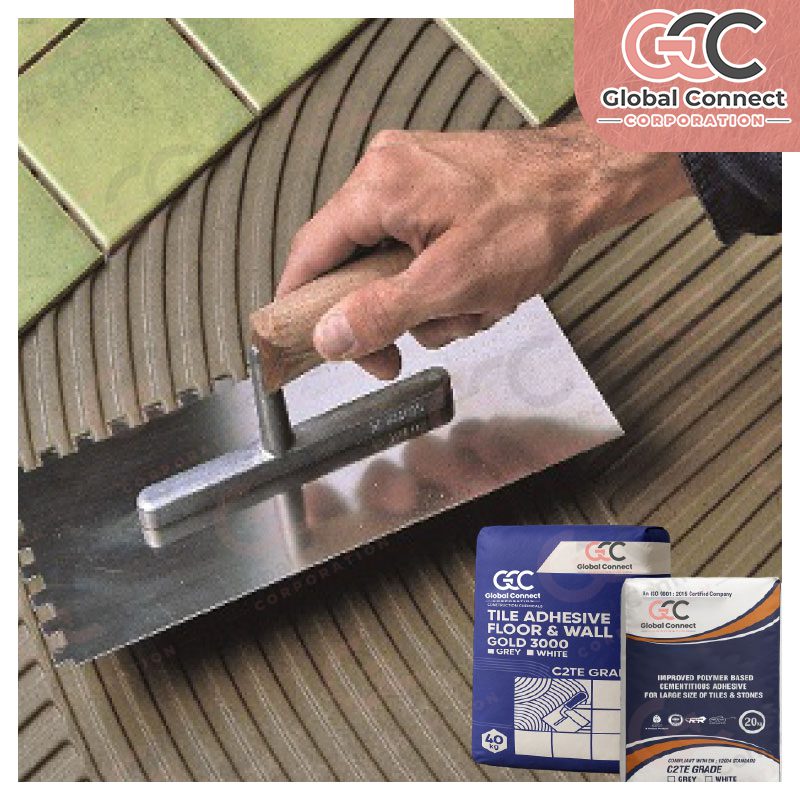
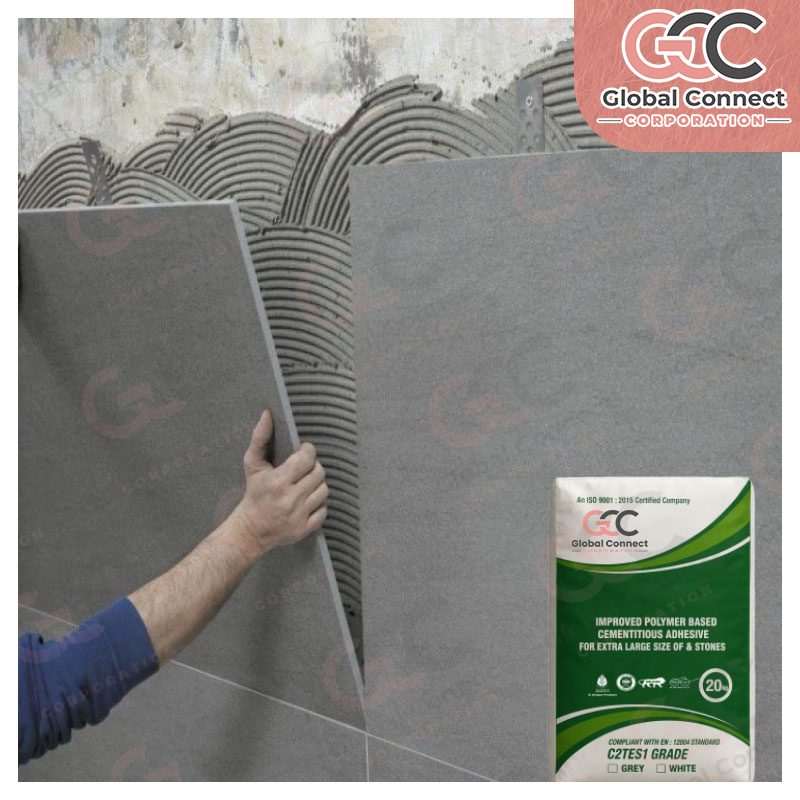
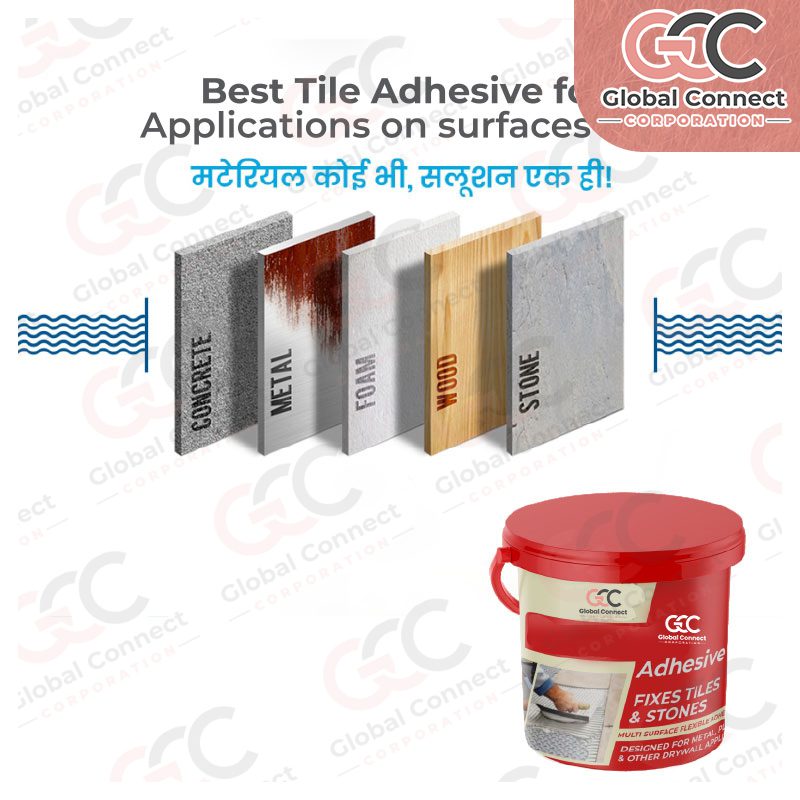
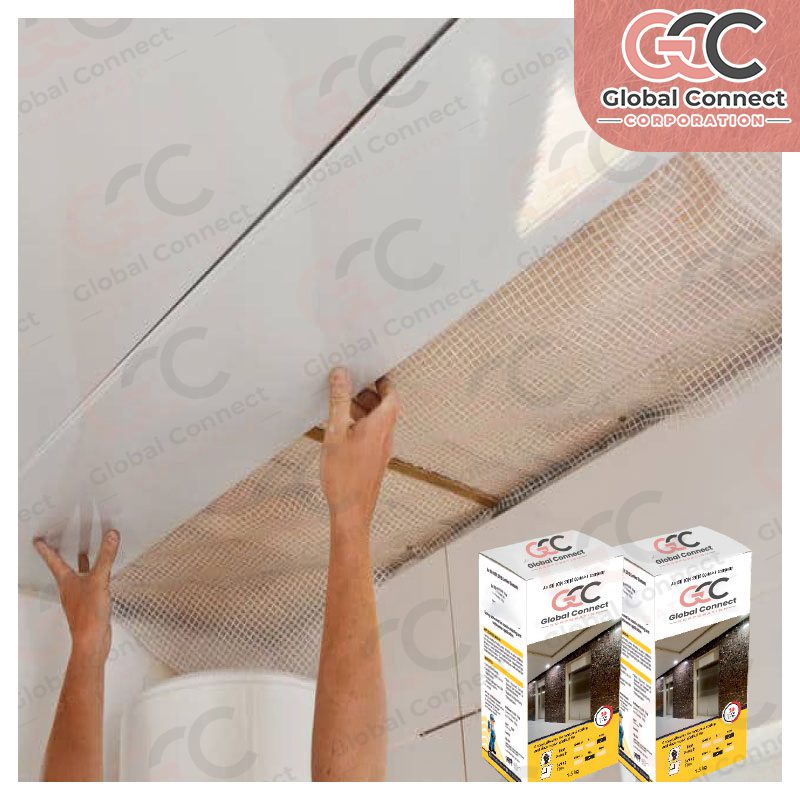
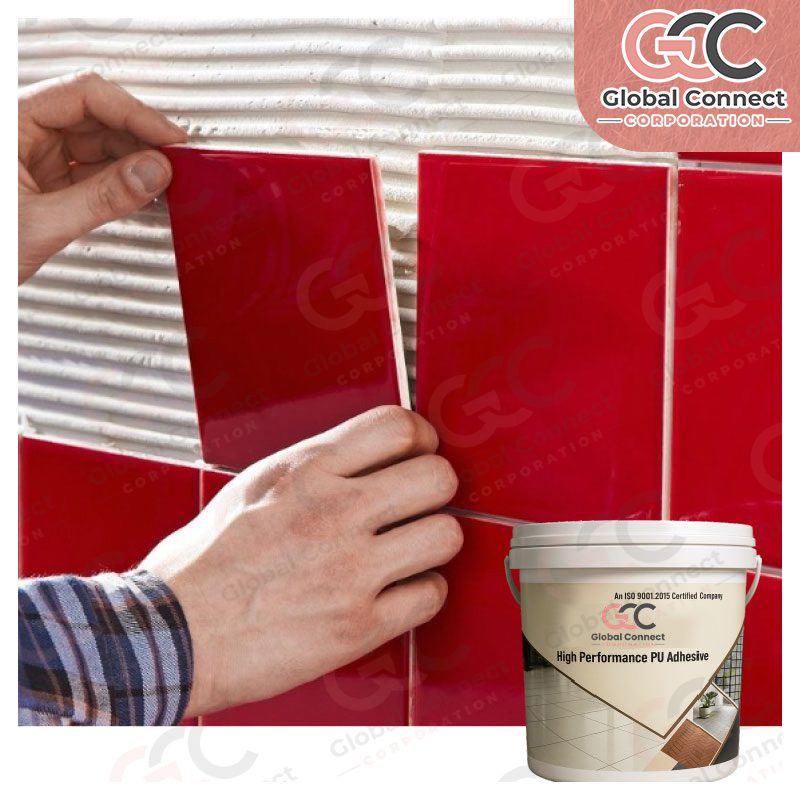
Our Tile Adhesives & Grouts range supports precise, durable tile installations across a variety of substrates and applications. Cementitious adhesives with polymer modification provide strong and flexible bonding for ceramic, porcelain, natural stone, and large-format tiles in both indoor and outdoor environments. Advanced polymer and polyurethane adhesives excel on challenging surfaces including glass mosaic, wood, and metal, with enhanced slip resistance and waterproof properties.
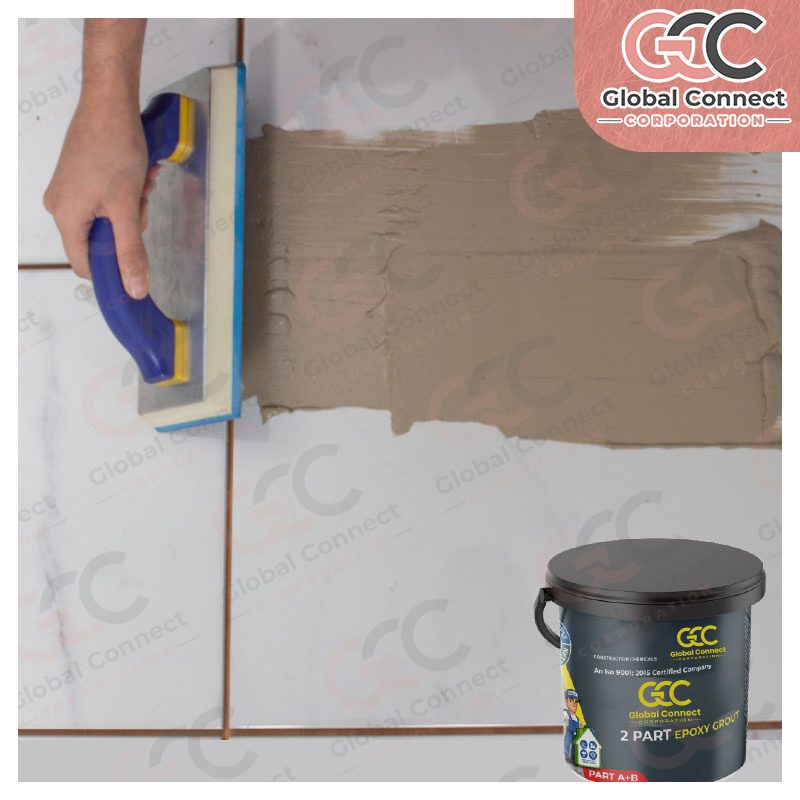
Epoxy adhesives deliver exceptional chemical and mechanical resistance for structural or decorative uses. Complementary cementitious and epoxy grouts offer superior joint filling solutions with color stability, shrinkage resistance, and hygiene for demanding sectors like hospitals and food processing. Trusted for quality and compliance, these products streamline tile work with long-lasting results.
Product Types & Variants: Cementitious tile adhesives, polymer/modified adhesives, epoxy tile adhesives, cement & epoxy grouts
Material Options: Polymer-modified cements, epoxy resin, polyurethane, cementitious powders, polymer-modified grouts, epoxy resin & hardener kits
Sizes & Configurations: Available in powders (20kg, 40kg bags), premixed sets (1kg, 4kg, up to 90kg), liquid and two-component systems
Performance Specs: Strong bonding, flexible, water-resistant, crack bridging, chemical & heat resistant, slip resistant, suitable for heavy-duty applications
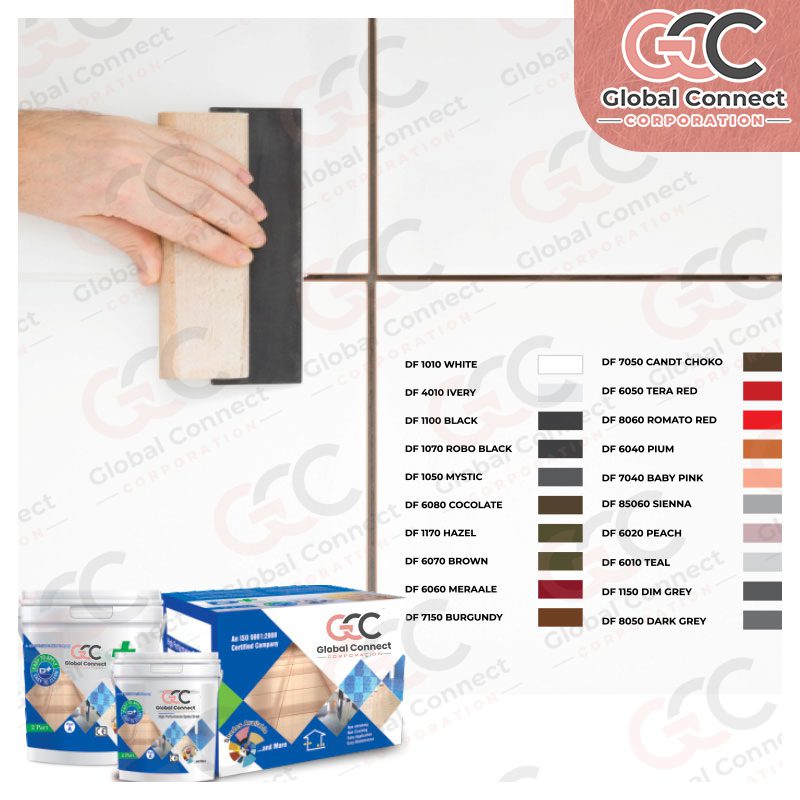
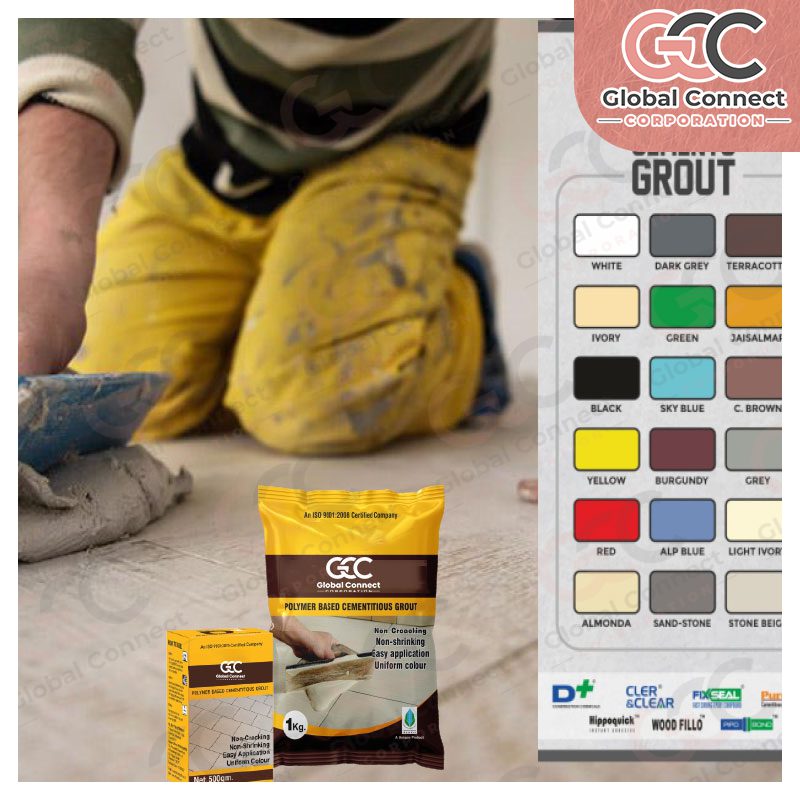
Finish / Colour Options: Grey and white color options; multiple grout color shades for aesthetic matching
Quality & Certifications: Conforms to IS, BS, EN 12004, ISO 9001:2015 certified manufacturing
Customization Options: Various pack sizes, powder or premixed forms, color and formulation customization
Applications: Interior and exterior floor & wall tiling, tile-on-tile fixing, marble, granite, large format tiles, facades, kitchens, bathrooms, industrial installations
Frequently Asked Questions – Tile Adhesives & Grouts
How do contractors choose the right adhesive for porcelain and ceramic tiles?
The adhesive should match the tile’s size, weight, water absorption, substrate type, and installation location. Large-format porcelain tiles often require higher-performance adhesives than standard ceramic wall tiles.
Why do large-format tiles require specialized adhesives?
Larger tiles place greater stress on the bond line, so high-performance adhesives help improve coverage, reduce hollow spots, and provide stronger long-term adhesion for walls and floors.
What causes tiles to become hollow or detach after installation?
Common causes include inadequate adhesive coverage, uneven substrate preparation, incorrect trowel selection, insufficient back-buttering for large tiles, and allowing the adhesive to skin over before installation.
How do tile installers achieve consistent grout joints across large projects?
Professional installers use leveling systems, spacers, and controlled joint widths to maintain uniform grout lines and achieve a clean, professional finish throughout commercial installations.
Which grout type works best for wet areas like bathrooms and swimming pools?
Water-resistant and high-performance grout formulations are commonly selected for bathrooms, swimming pools, kitchens, and other moisture-prone environments where durability and stain resistance are important.
How can contractors reduce grout discoloration after installation?
Proper mixing ratios, clean application techniques, timely cleaning, and allowing adequate curing time help maintain consistent grout color and minimize staining.
Which projects generate the highest demand for tile adhesives and grouts?
Residential apartments, hotels, shopping malls, hospitals, airports, commercial offices, educational institutions, and infrastructure projects continue to drive strong demand across Asia, the Gulf, Europe, and Africa.
What should project buyers evaluate before approving tile adhesive and grout products?
Professional buyers typically assess bond strength, open time, slip resistance, coverage efficiency, curing performance, grout durability, and compatibility with different tile materials before bulk procurement.
What trends are shaping the tile installation industry?
Demand continues to grow for large-format porcelain tiles, faster-setting adhesives, low-dust formulations, premium decorative grouts, and high-performance installation systems across Asia, the Gulf, Europe, and Africa.
Why do tile contractors and distributors build long-term partnerships with GCC for tile adhesives and grouts?
GCC combines manufacturing excellence, product innovation, export-quality production, OEM and private-label manufacturing, and dependable global delivery to support contractors, distributors, architects, and commercial construction projects across Asia, the Gulf, Europe, and Africa.