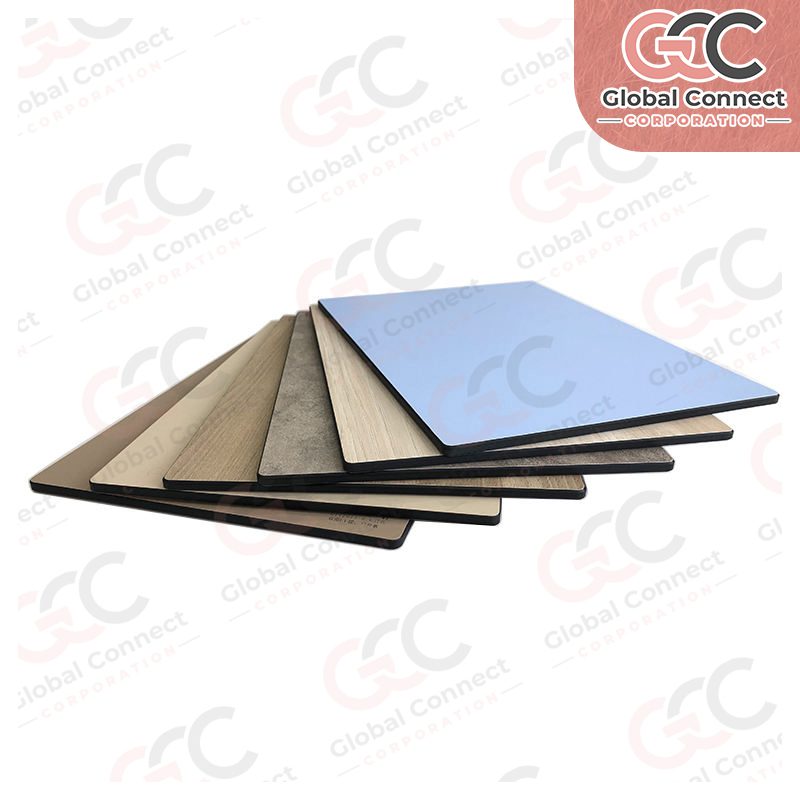
Product Details
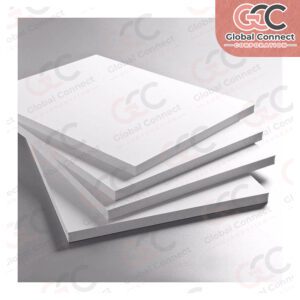
Compact laminates, or solid core laminates, offer durable, moisture-resistant surface solutions ideal for demanding furniture, architectural, and industrial uses. Thicker than standard laminates (2–13 mm), they provide superior resistance to impact, moisture, and heat, making them suitable for wet or heavy-use environments.
Certified to rigorous fire, quality, and durability standards, these laminates are favored by export buyers for laboratories, kitchens, marine interiors, and commercial furniture.
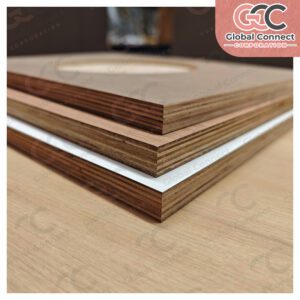
Product Types: Solid core or compact laminates, thicker sheets (2–13 mm) for durability and moisture resistance
Material Options: Phenolic resin-impregnated kraft papers laminated under heat and pressure to form dense, rigid sheets
Thickness Range: Typically 2 mm to 13 mm; custom thicknesses available
Sizes: Standard 8×4 ft (2440×1220 mm), custom sizing available upon request
Performance: Outstanding mechanical and impact resistance; water and chemical resistance; flame retardant options available
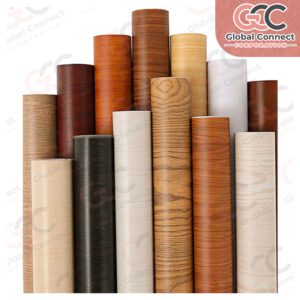
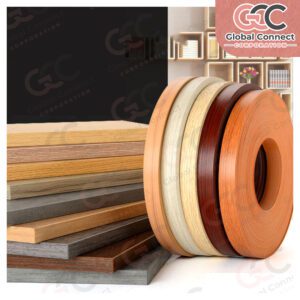
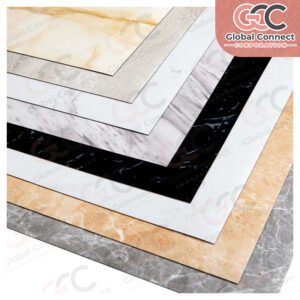
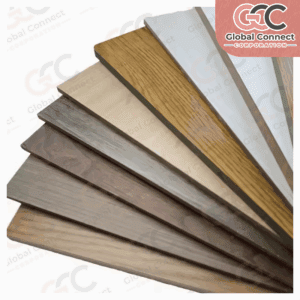
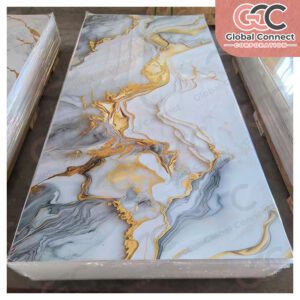
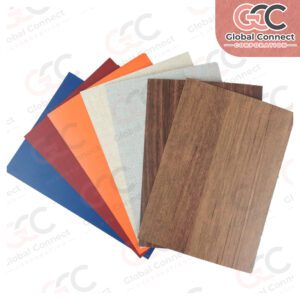
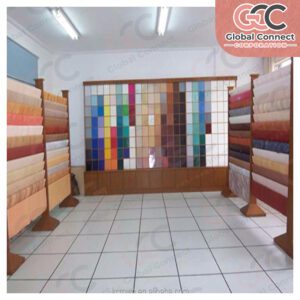
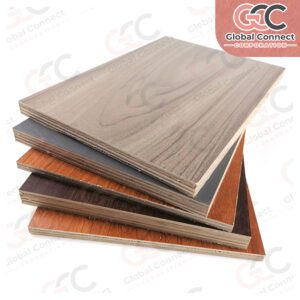
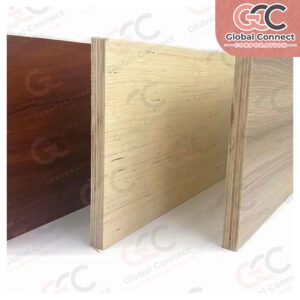
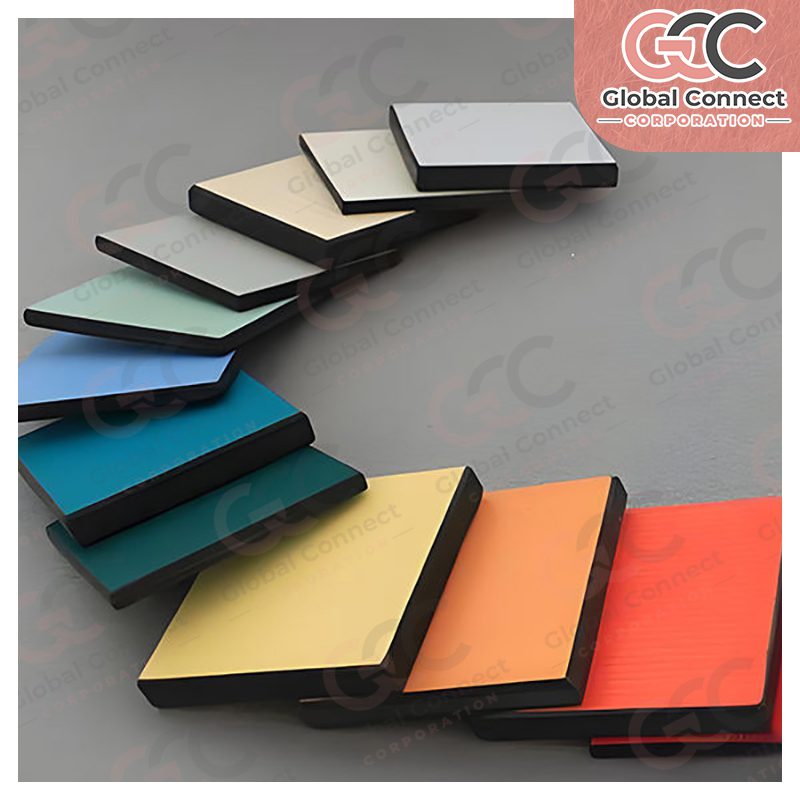
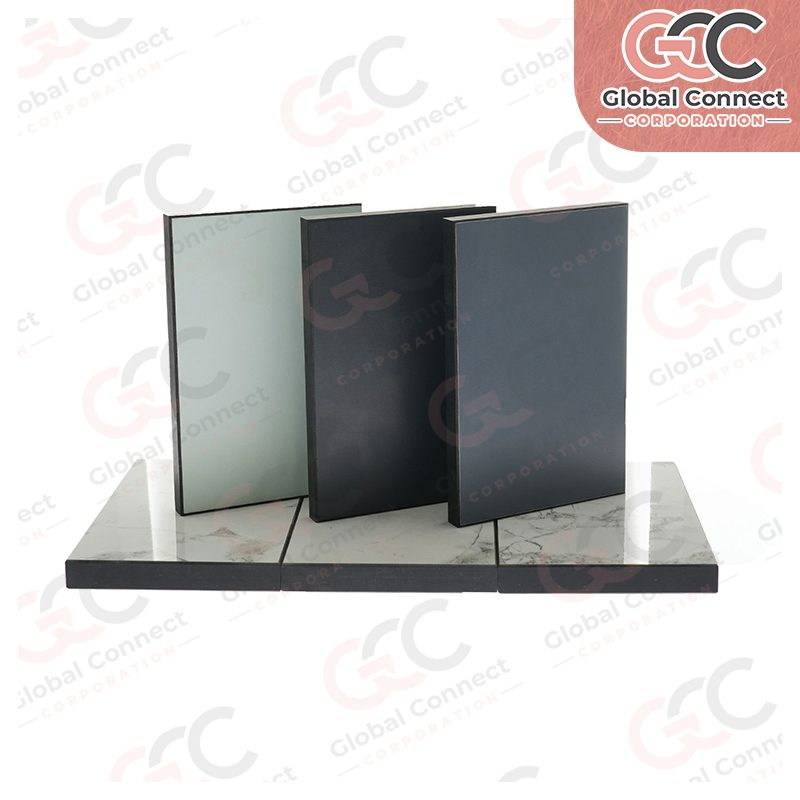
Finish Options: Matte, textured, wood grain, custom prints, gloss, anti-slip surfaces
Certifications: ISO 4586-4, EN 438-4, ISO 9001:2015, BS 476 (fire) on select grades
Applications: Laboratory benches, worktops, staircases, door cores, marine interiors
Special Features: High density, fully waterproof, easy machining, flame retardant grades available
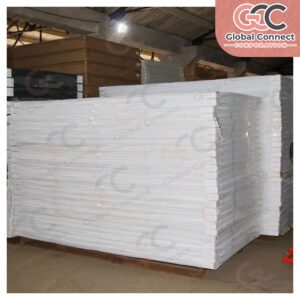
Packaging: Palletized, shrink-wrapped export packs with labeling
Frequently Asked Questions – Compact Laminates
Why are Compact Laminates widely used for washroom cubicles and locker systems?
Compact Laminates are self-supporting solid panels that perform exceptionally well in high-humidity environments, making them ideal for toilet partitions, changing rooms, lockers, and public facilities where durability and hygiene are essential.
What should project buyers evaluate before specifying Compact Laminates?
Architects and contractors typically assess panel thickness, core density, moisture resistance, impact performance, surface finish, edge quality, and fixing compatibility before approving a product for commercial projects.
How do self-supporting panels benefit commercial installations?
Unlike conventional laminated boards that require additional substrate support, Compact Laminates provide structural rigidity, allowing faster installation and long-lasting performance in demanding environments.
Which sectors generate the highest demand for Compact Laminates?
Airports, hospitals, schools, shopping malls, office buildings, sports complexes, railway stations, and hospitality projects continue to drive strong demand across Asia, the Gulf, Europe, and Africa.
How do Compact Laminates help reduce maintenance costs?
Their dense construction resists moisture, stains, scratches, and everyday wear, allowing facility managers to maintain clean, professional-looking installations with minimal upkeep.
Can Compact Laminates be machined for custom architectural projects?
Yes. They can be cut, drilled, CNC-machined, edge-finished, and fabricated into customized partitions, cubicles, countertops, lockers, and furniture components.
What quality checks do international buyers commonly request?
Professional buyers typically verify panel thickness, density consistency, moisture resistance, dimensional accuracy, surface finish quality, edge finish, and impact performance before shipment.
What market trends are increasing demand for Compact Laminates?
Growing investment in public infrastructure, healthcare facilities, educational institutions, premium commercial interiors, and hygienic building materials continues to increase demand across Asia, the Gulf, Europe, and Africa.
Can GCC manufacture Compact Laminates for OEM and private-label brands?
Yes. GCC offers OEM manufacturing with customized panel sizes, thicknesses, colours, textures, branding, and export-ready packaging for distributors and wholesale buyers.
Why do architects, distributors, and contractors partner with GCC for Compact Laminates?
GCC combines manufacturing excellence, export-quality production, OEM and private-label manufacturing, an integrated manufacturing and distribution network, and dependable global delivery to support commercial projects and long-term business partnerships across Asia, the Gulf, Europe, and Africa.