July 21, 2026
Future of PVC Foam Boards in Furniture, Signage & Interior Design
Why Future of PVC Foam Boards in Furniture, Signage & Interior Design ? PVC foam boards are moving from a...

How to Build a Complete Upholstery Supply Chain for Sofa Manufacturing?
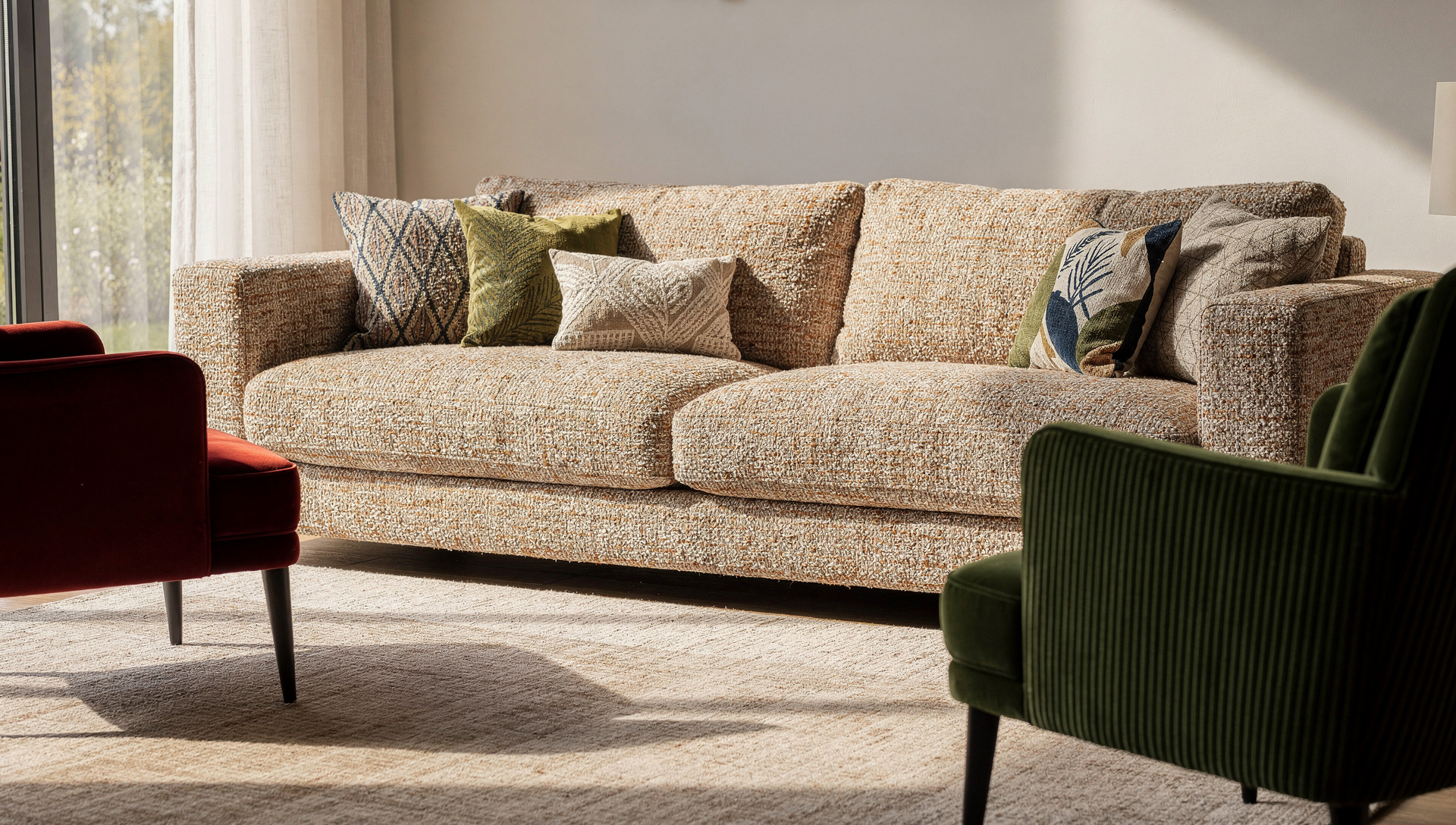
The global furniture industry is becoming more integrated every year. Today’s successful sofa manufacturers no longer source fabric from one supplier, foam from another, hardware from a third, and packaging from a fourth without a clear sourcing strategy.
Instead, leading furniture brands are building complete upholstery supply chains that reduce costs, improve consistency, shorten lead times, and simplify procurement. Whether you manufacture sofas in Saudi Arabia, assemble furniture in Kenya, distribute upholstery materials in the UAE, or operate an OEM furniture brand in Europe, the right supply chain can directly improve profitability.
The objective is no longer just finding products. The objective is building a reliable ecosystem that supports production from the first sample to the final shipment.
The Upholstery Supply Chain at a Glance
Modern sofa manufacturing requires far more than fabric and foam. Every finished sofa combines multiple product categories sourced from different industries.
| Supply Category | Typical Products |
|---|---|
| Upholstery Fabric | Velvet, linen, chenille, boucle, leatherette |
| Foam | PU foam, HR foam, memory foam, rebonded foam |
| Furniture Hardware | Hinges, legs, connectors, recliner mechanisms |
| Wood Components | Plywood, hardwood frames, MDF |
| Adhesives | Spray adhesives, contact adhesives |
| Furniture Accessories | Webbing, elastic belts, springs |
| Packaging | Cartons, plastic covers, edge protectors |
A disruption in any one of these categories can delay the production of the finished sofa.
Read More : View GCC Fabric Rolls
Why Furniture Manufacturers Are Rebuilding Their Supply Chains ?
The furniture industry has experienced major disruption in recent years. Freight volatility, material shortages, supplier failures, and quality inconsistency have shown manufacturers the cost of fragmented sourcing.
Major furniture companies are now consolidating their supply chains. HomesToLife Ltd, a Singapore-based furniture retailer, recently acquired HTL Marketing, a B2B procurer of premium upholstered sofas and leather materials that sources from factories in China, India, Vietnam, and Italy, exporting to about 50 countries with annual sales of US$330 million.
That shift matters because it shows where the market is headed: toward integrated sourcing partners rather than disconnected suppliers. Buyers are now looking for continuity, accountability, and smoother execution.
Read More : Why Importers Prefer India & Vietnam for Upholstery Materials ?
What Makes an Efficient Upholstery Supply Chain ?
A high-performing supply chain balances cost, quality, reliability, and speed.
| Objective | Business Benefit |
|---|---|
| Stable supply | Continuous production |
| Consistent quality | Lower warranty claims |
| Fewer suppliers | Easier procurement |
| Better planning | Reduced inventory pressure |
| Export compliance | Faster customs clearance |
| OEM capability | Stronger branding |
Manufacturers who achieve these objectives usually experience fewer production interruptions and stronger customer satisfaction.
Read More : View GCC Sofa Foam
Step 1 : Source the Right Upholstery Fabrics
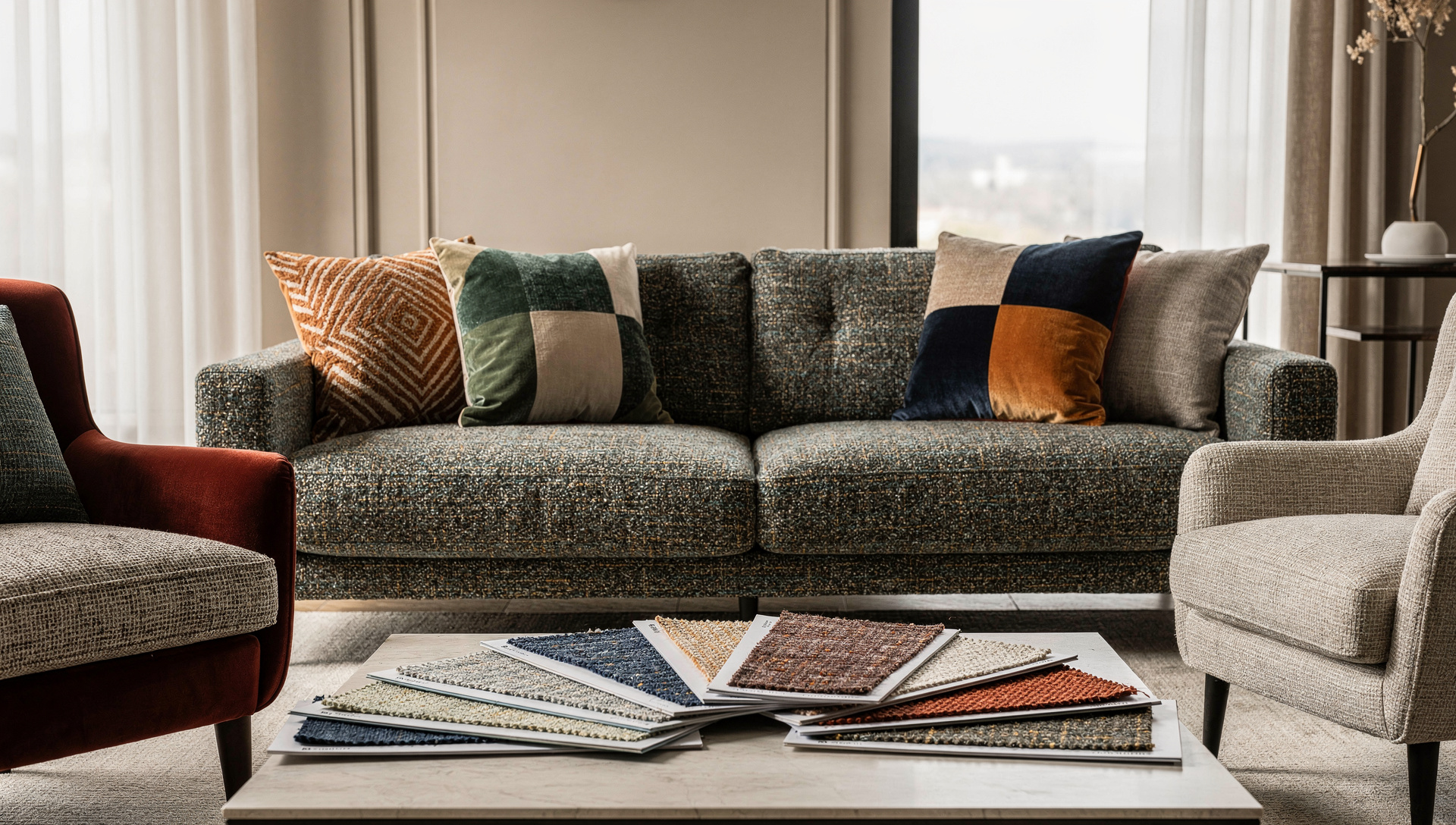
Fabric is the most visible component of a sofa. It influences aesthetics, comfort, durability, and customer perception.
Today’s buyers increasingly request :
The right fabric selection determines whether a sofa is positioned as budget, mid-range, or premium. Buyers should check abrasion resistance, colour fastness, stain resistance, fire compliance, roll consistency, and OEM colour options before placing an order.
China’s manufacturing hubs in Foshan and Zhejiang offer vertical integration advantages, while India provides competitive pricing and growing OEM capability. For exporters, fabric sourcing should always be tied to target market and end-use performance.
Read More : View GCC Velvet & Linen
Step 2 : Choose the Correct Foam System
Many buyers focus heavily on fabric while overlooking foam quality. In reality, foam determines seating comfort, shape retention, product lifespan, and customer satisfaction.
| Foam Type | Best Application |
|---|---|
| PU Foam | Standard seating |
| HR Foam | Premium sofas |
| Memory Foam | Luxury seating |
| Rebonded Foam | Base support |
| Flame-Retardant Foam | Hospitality & commercial use |
For commercial furniture projects requiring fire-rated foam systems alongside performance fabrics, certified flame-retardant foam is essential.
Read More : View GCC HR Foam & GCC Flame-Retardant Foam
Step 3 : Select Reliable Furniture Hardware
Modern sofas increasingly incorporate recliner mechanisms, legs, hinges, connectors, sliding systems, and metal brackets. Hardware quality directly impacts structural performance, movement, and long-term customer experience.
| Requirement | Why It Matters |
|---|---|
| Corrosion resistance | Longevity in humid climates |
| High load capacity | Supports weight and daily use |
| Smooth movement | Customer comfort |
| Long service life | Reduces warranty claims |
| Consistent dimensions | Production accuracy |
A premium fabric combined with poor hardware creates an inconsistent product. That is why hardware selection should never be treated as a secondary buying decision.
Read More : View GCC Furniture Hardware Range
Read More : Common Problems Buyers Face When Importing Furniture Hardware
Step 4 : Build a Reliable Wood Component Supply
A sofa frame determines structural integrity. Most manufacturers source hardwood, marine plywood, commercial plywood, MDF, and laminated boards depending on the target market and price segment.
Key evaluation criteria include moisture resistance, strength, weight, consistency, and sustainability. A weak frame can undermine even the best fabric and foam combination.
Read More : View GCC Plywood Range & GCC Marine Plywood
Step 5 : Standardize Upholstery Accessories
Many production delays originate from inexpensive accessories. Webbing, elastic belts, springs, sewing thread, Velcro, zippers, and decorative piping may seem minor, but they are critical to assembly and finish quality.
Managing these categories through a structured sourcing program reduces production interruptions and avoids last-minute shortages.
Step 6 : Consolidate Packaging Materials
Packaging is often overlooked, but damaged furniture during export creates unnecessary cost and avoidable claims. Typical packaging includes corrugated cartons, plastic wrapping, edge protectors, bubble wrap, corner guards, and pallets.
Proper packaging reduces breakage during shipping and helps protect the final presentation when the sofa reaches the buyer.
Read More : Upholstery Fabric Trends Driving Premium Furniture Sales in 2026
Common Supply Chain Problems Sofa Manufacturers Face
Many buyers experience recurring sourcing challenges.
| Problem | Business Impact |
|---|---|
| Multiple suppliers | Complex coordination |
| Different delivery schedules | Production delays |
| Quality inconsistency | Customer complaints |
| Documentation errors | Customs delays |
| Freight increases | Higher landed cost |
| Inventory shortages | Missed orders |
These issues reduce production efficiency and increase operating costs. The best supply chains are designed to prevent these problems before they reach the factory floor.
Supplier Evaluation Framework
Selecting the right supplier requires moving beyond catalog pricing.
| Metric | Benchmark | Why It Matters |
|---|---|---|
| On-time delivery rate | ≥95% | Reflects logistics coordination |
| Response time | ≤5 hours | Indicates dedicated support |
| Reorder rate | ≥20% | Suggests customer satisfaction |
| Annual online revenue | $40,000+ | Confirms export experience |
Before placing a first order, request factory walkthrough videos, test reports, sample lead times, shipping documentation templates, and references from buyers in your region. Third-party inspection reports from agencies like SGS or TUV should also be part of the process when possible.
How GCC Supports Your Upholstery Supply Chain ?
Global Connect Corporation (GCC) provides a complete upholstery supply chain solution – fabrics, foam, hardware, and components – under one structured export framework.
GCC at a Glance
| Metric | GCC Capability |
|---|---|
| Verified Manufacturing Units | 200+ across India |
| Export Shipments Executed | 500+ |
| Countries Supplied | 12+ |
| Product Categories | Complete upholstery portfolio |
| Operational Model | Direct supply; end-to-end accountability |
GCC Product Categories for Sofa Manufacturing
| Category | Products | Link |
|---|---|---|
| Fabric Rolls | Velvet, linen-look, boucle, chenille, performance fabrics | View Fabrics |
| Sofa Foam | HR foam, soft foam, firm foam | View Foam |
| Memory Foam | Viscoelastic for premium seating | View Memory Foam |
| Flame-Retardant Foam | FR foam for commercial and hospitality | View FR Foam |
| Synthetic Leather | PU, PVC, bonded leather | View Leather |
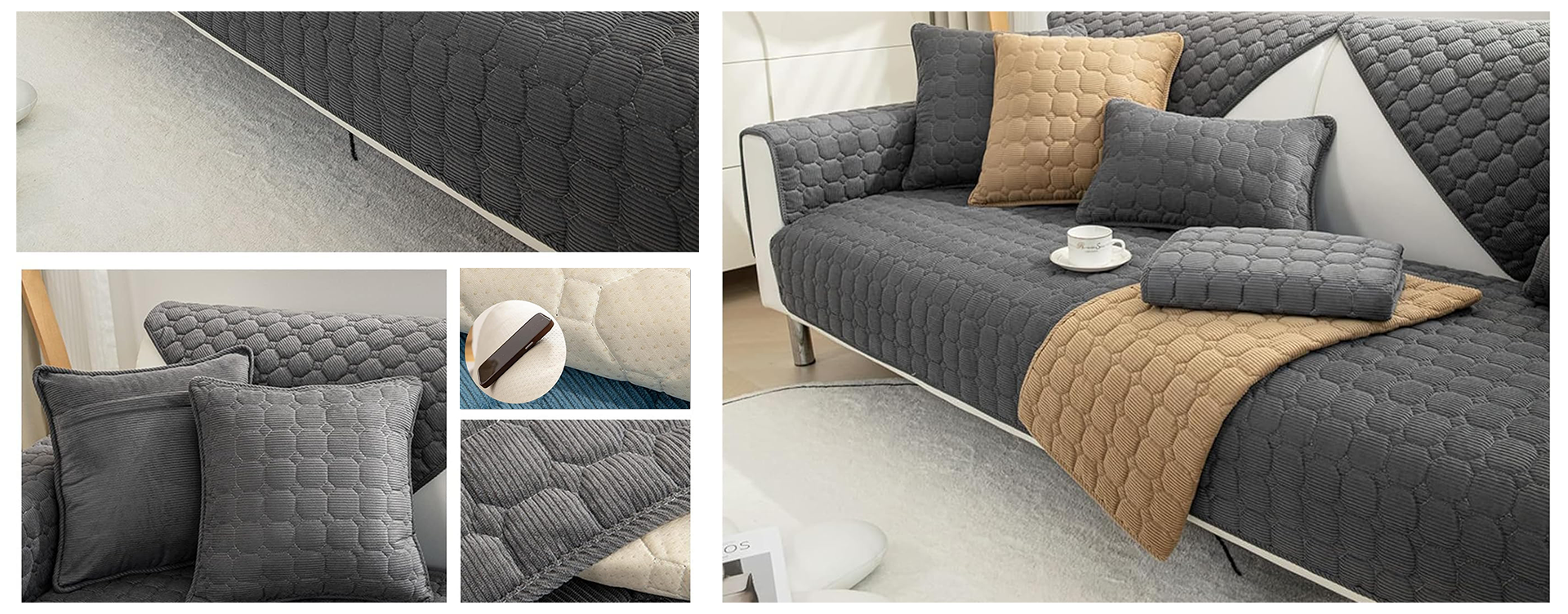
| Sofa Covers | Stretch covers, fitted covers, slipcovers | View Covers |
GCC helps buyers consolidate key upholstery categories into one structured sourcing program, which reduces procurement complexity and improves delivery accountability.
Inquire with GCC Today
If you are sourcing upholstery fabrics, furniture foam, or sofa manufacturing components, GCC offers a structured international sourcing solution.
GLOBAL CONNECT CORPORATION
Address : Ahmedabad, Gujarat, India
Mail : [email protected]
Website : www.gccoverseas.com
Contact : +91 99785 55485





 0
0
 0
0 0
0 0
0