July 21, 2026
Future of PVC Foam Boards in Furniture, Signage & Interior Design
Why Future of PVC Foam Boards in Furniture, Signage & Interior Design ? PVC foam boards are moving from a...

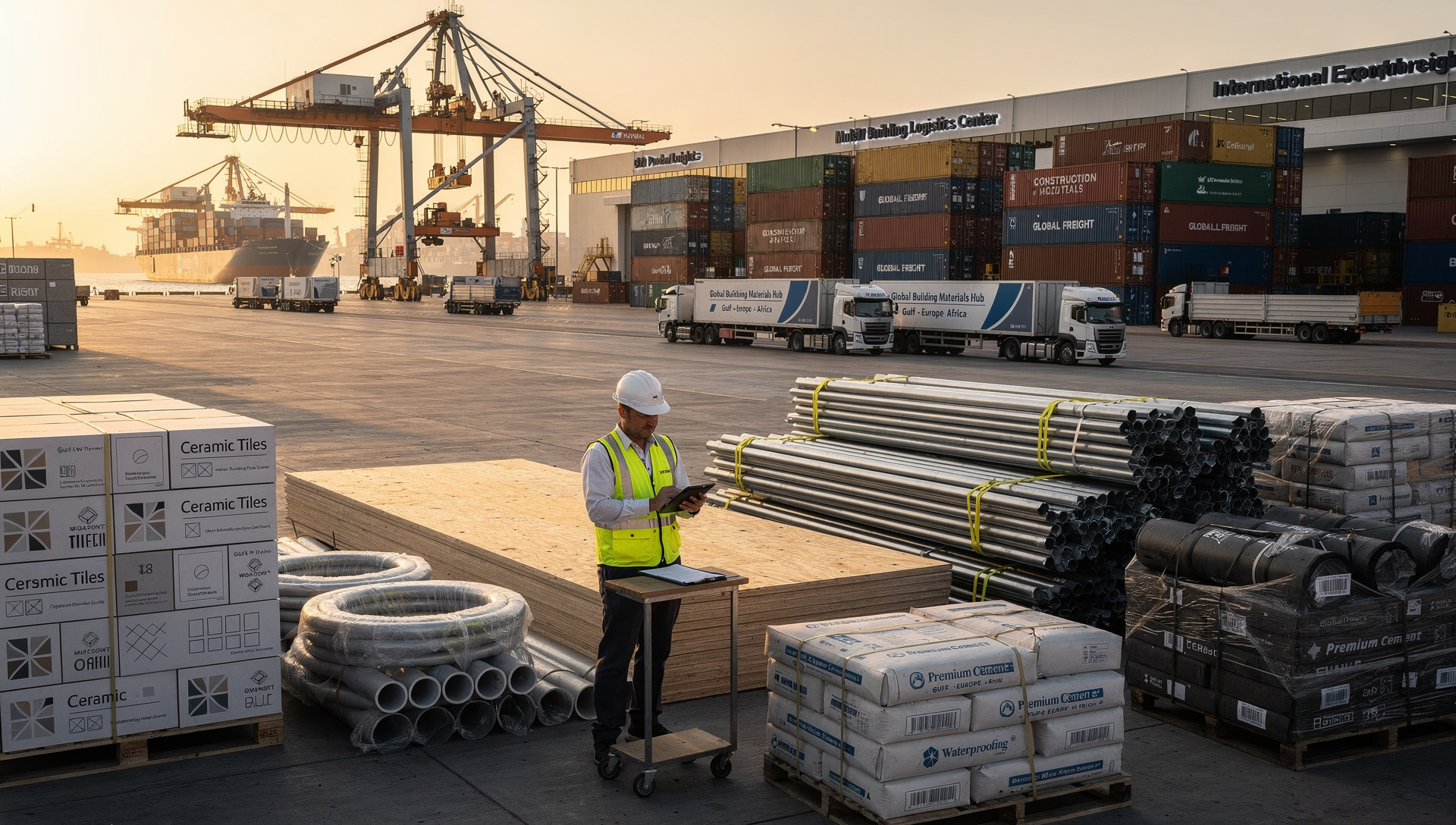
Top 5 Leading Building Material Exporters Serving Gulf, Europe & Africa Markets in 2026
The global building materials industry is entering a new era of supply chain transformation. Importers across Gulf, Europe, and Africa are no longer focused only on pricing – they are prioritizing reliability, logistics stability, and structured sourcing support.
According to industry estimates, the global construction materials market is expected to cross USD 1.9 trillion by 2030. Infrastructure expansion, industrial development, commercial real estate growth, and urbanization continue driving global demand. The Gulf, Europe, and Africa remain among the fastest-growing import-driven construction markets globally.
Mega infrastructure projects across Saudi Arabia, UAE, Qatar, Kenya, Tanzania, Nigeria, and Eastern Europe continue accelerating procurement demand. At the same time, international buyers are facing increasing sourcing challenges.
Freight volatility, Red Sea disruptions, fluctuating steel prices, shipment delays, and inconsistent supplier quality are making global procurement more complex than ever. As a result, buyers are no longer searching for “cheap suppliers.” They are searching for structured export partners capable of handling sourcing, quality control, logistics, documentation, and multi-product procurement under one framework.
That is why leading building material exporters are becoming increasingly important in global trade.
Read More About GCC’s Building Materials Product Range
What Comes Under Building Materials in Global Trade ?
The building materials sector is no longer limited to cement and steel alone. Today’s importers source complete infrastructure and interior solutions from export partners.
| Category | Products |
|---|---|
| Steel & Structural Materials | Plates, pipes, roofing sheets, coils, beams, channels, angles |
| Cement & Concrete Products | OPC, PPC, white cement, custom cement blends |
| PVC Pipes & Fittings | UPVC, CPVC, SWR systems, casing pipes, electrical conduits |
| Laminates & Plywood | HPL laminates, marine plywood, compact laminates, shuttering plywood |
| Tiles & Ceramics | Ceramic, vitrified, digital, outdoor tiles |
| Construction Chemicals | Waterproofing systems, tile adhesives, grouts, sealants |
| Furniture Hardware | Hinges, handles, drawer slides, casters, connectors |
| Roofing Products | MS sheets, corrugated sheets, GI sheets |
| Wall Panels & WPC Solutions | PVC foam boards, PVC celuka boards, WPC boards |
| Fasteners & Architectural Hardware | Screws, nuts, bolts, anchors, rivets |
Global Connect Corporation (GCC) supplies a diversified portfolio across multiple industrial and construction categories. Its export portfolio includes cement, steel, MS sheet roofing, tiles & ceramic, PVC pipe, brick & blocks, laminates & plywood, construction chemicals, PVC foam boards, furniture hardware, waterproofing systems, and fasteners & architectural hardware.
This multi-category sourcing capability is becoming increasingly important for global importers.
Why Gulf, Europe & Africa Depend on Building Material Imports ?
Many countries across Gulf and Africa are infrastructure-heavy economies. Large-scale construction demand often exceeds domestic manufacturing capacity. Saudi Arabia alone has announced infrastructure and real estate projects exceeding USD 1 trillion under Vision 2030. The UAE construction market is projected to surpass USD 133 billion by 2030.
| Region | Key Data |
|---|---|
| Saudi Arabia | Infrastructure projects exceeding USD 1 trillion under Vision 2030 |
| UAE | Construction market projected to surpass USD 133 billion by 2030 |
| Africa | Infrastructure financing requirement exceeds USD 130 billion annually |
| Europe | Buyers shifting toward diversified Asian procurement networks |
Africa is witnessing one of the fastest urbanization rates globally. According to the African Development Bank, Africa’s infrastructure financing requirement exceeds USD 130 billion annually. European markets are also restructuring supply chains. Many buyers are reducing overdependence on single-country sourcing and shifting toward diversified Asian procurement networks.
This is creating massive demand for reliable exporters, consolidated procurement, multi-product suppliers, long-term sourcing partners, and export compliance support.
The Biggest Problems Buyers Face While Importing Building Materials
1. Inconsistent Supplier Quality
One of the biggest risks in international procurement is inconsistent product quality. Importers frequently face shipment mismatches, low-grade materials, and incorrect specifications. This becomes critical in products like structural steel, waterproofing chemicals, PVC products, laminates & plywood, and construction hardware.
| Problem | Consequence |
|---|---|
| Incorrect specifications | Project delays |
| Low-grade materials | Customer complaints |
| Non-compliant products | Customs rejection |
| Shipment mismatches | Rework costs |
A single failed shipment can delay entire projects.
2. Logistics & Freight Disruptions
Global shipping disruptions continue affecting construction supply chains. Red Sea tensions and geopolitical instability have increased freight costs and transit uncertainty. Importers now regularly face container shortages, delayed shipments, increased freight rates, and unstable transit schedules.
This is especially problematic for EPC contractors and project-based procurement.
| Disruption | Impact |
|---|---|
| Container shortages | Delayed deliveries |
| Increased freight rates | Higher landed costs |
| Unstable transit schedules | Missed project deadlines |
3. Difficulty Managing Multiple Suppliers
Modern importers rarely source one single product category. A typical buyer may require cement, steel, PVC products, tiles, plywood, hardware, and construction chemicals simultaneously. Managing multiple factories separately creates communication gaps, documentation complexity, quality inconsistency, and logistics coordination issues.
| Problem | Result |
|---|---|
| Communication with 5+ vendors | Coordination chaos |
| Multiple quality standards | Inconsistent output |
| Fragmented documentation | Customs clearance failures |
| Separate logistics tracking | Delayed problem resolution |
This is why importers increasingly prefer consolidated export partners.
Read More About GCC’s Construction Chemical Range
Why Asia Has Become a Global Building Material Export Hub ?
Asia continues strengthening its position as the world’s manufacturing powerhouse. Countries like India are emerging as preferred sourcing destinations for international buyers.
| Advantage | Importer Benefit |
|---|---|
| Competitive manufacturing cost | 10 – 30% landed cost advantage |
| Large-scale industrial production | Consistent supply |
| Skilled manufacturing ecosystem | Quality output |
| Export-focused capability | Reliable delivery |
| Diverse product availability | One-stop sourcing |
India is now among the fastest-growing exporters of steel products, construction chemicals, PVC materials, furniture hardware, laminates & plywood, and industrial products. India’s steel exports surged 35.9% year-on-year to 6.6 million tonnes in FY26. In April 2026 alone, finished steel exports rose another 24.9%. Key destinations included Italy, UAE, Belgium, Spain, and Vietnam.
For international buyers, sourcing from Asia provides better pricing flexibility, multi-category procurement, product diversity, and supply chain diversification.
High-Demand Building Materials in 2026
Steel & Structural Products
Global steel demand continues rising due to infrastructure expansion, industrial construction, warehousing projects, and commercial development. Importers are increasingly sourcing steel plates, structural steel, steel bars, HR & CR sheets, GI sheets, and roofing materials. Price stability and freight optimization remain major concerns.
PVC & WPC Products
PVC products are witnessing strong demand due to durability and moisture resistance. These materials are increasingly replacing traditional wood applications across humid and high-temperature markets.
| Product | Application |
|---|---|
| PVC Foam Boards | Interior projects, signage |
| PVC Celuka Boards | Furniture, construction |
| WPC Boards | Cladding, outdoor applications |
| SPC Flooring | Commercial flooring |
| PVC Pipes | Plumbing, infrastructure |
Construction Chemicals
Modern construction increasingly depends on advanced construction chemicals. Demand is rising due to waterproofing requirements, climate durability standards, and faster construction cycles. These products improve structural durability, water resistance, construction speed, and concrete performance.
| Category | Purpose |
|---|---|
| Waterproofing systems | Structural durability |
| Tile adhesives | Faster installation |
| Concrete admixtures | Performance enhancement |
| Sealants | Joint protection |
| Repair mortars | Structural restoration |
Laminates & Plywood
Interior and furniture industries continue driving demand for marine plywood, BWR plywood, MR plywood, HPL laminates, compact laminates, and decorative laminates. Importers prioritize moisture resistance, surface consistency, export-grade finishing, and durability standards.
Leading Building Material Exporters Serving Global Markets
Several companies operate in international building material trade. However, very few offer diversified sourcing, export accountability, and multi-category procurement support under one framework. Below are recognized names operating in this space.
1. Global Connect Corporation (GCC) – The Structured Export Partner
Global Connect Corporation (GCC) operates as a global supplier and exporter of industrial, building, and consumer products.
| Detail | Information |
|---|---|
| Headquarters | Ahmedabad, Gujarat, India |
| Verified Manufacturing Units | 200 |
| Export Shipments Executed | 500 |
| Countries Supplied | 12 |
| Operating Model | Direct export partner (not marketplace) |
Unlike trading marketplaces, GCC operates under a structured export framework with complete accountability for supply, documentation, quality control, and shipment coordination.
Why GCC is Different : Unlike specialized or regionally focused exporters, GCC offers a complete building material portfolio from a single accountable partner.
2. China National Building Material Group (CNBM)
China National Building Material Group is one of the world’s largest state-owned building material manufacturers. The company operates across cement, glass, fiberglass, and heavy construction materials.
| Detail | Information |
|---|---|
| Headquarters | China |
| Focus | Cement, glass, fiberglass, heavy materials |
| Scale | State-owned, massive |
The Reality for Mid-Sized Importers : High MOQs, limited flexibility, slower communication cycles, and reduced customization support.
3. ArcelorMittal
ArcelorMittal is among the world’s largest steel manufacturers. The company primarily focuses on industrial steel, automotive steel, and infrastructure-grade steel.
| Detail | Information |
|---|---|
| Headquarters | Luxembourg |
| Focus | Industrial steel, automotive steel, infrastructure steel |
| Scale | One of world’s largest steel manufacturers |
The Reality for Mid-Sized Importers : Its operations are largely designed for industrial-scale procurement rather than diversified mixed-container sourcing.
4. Saint-Gobain
Saint-Gobain is globally recognized in glass, interior systems, insulation, and construction materials.
| Detail | Information |
|---|---|
| Headquarters | France |
| Focus | Glass, interior systems, insulation, construction materials |
| Scale | Global corporation |
The Reality for Mid-Sized Importers : Sourcing flexibility for multi-category procurement remains limited for overseas distributors seeking mixed container requirements.
5. Holcim (LafargeHolcim)
Holcim is one of the world’s largest cement and concrete companies. The company specializes in cement, aggregates, infrastructure materials, and concrete systems.
| Detail | Information |
|---|---|
| Headquarters | Switzerland |
| Focus | Cement, aggregates, infrastructure materials, concrete systems |
| Scale | One of world’s largest cement companies |
The Reality for Mid-Sized Importers : Its primary focus remains large infrastructure and institutional markets rather than flexible export-oriented mixed procurement.
The Reality Check for Buyers
The other four companies listed above are legitimate global giants. But they primarily serve institutional-scale or specialized procurement markets. If a buyer needs IS2062 steel plates, waterproofing compounds, marine plywood, PVC boards, and tile adhesives together, they cannot easily procure all categories from most multinational suppliers.
This is the exact operational gap that GCC fills.
What GCC Exports Across Building Material Categories
| Category | Product Range | Product Link |
|---|---|---|
| Cement | OPC, PPC, PS, white cement, custom cement | View Cement → |
| Steel | IS2062 steel plates, structural steel, MS sheets, GI sheets | View Steel → |
| Construction Chemicals | Waterproofing, tile adhesives, grouts, admixtures, sealants | View Chemicals → |
| Laminates & Plywood | HPL laminates, marine plywood, shuttering plywood | View Laminates → |
| Tiles & Ceramic | Ceramic, vitrified, digital, outdoor tiles | View Tiles → |
| PVC Products | PVC foam boards, PVC celuka boards, WPC boards, PVC pipes | View PVC → |
| Furniture Hardware | Hinges, handles, drawer slides, casters, connectors | View Furniture Hardware → |
| Stone | Granite, marble, sandstone | View Stone → |
Key Strengths of GCC
Multi-Product Sourcing
One vendor for steel, chemicals, tiles, plywood, hardware, and PVC products. This reduces sourcing complexity significantly.
Export-Grade Quality Control
GCC supports third-party inspection, product verification, batch-specific documentation, and export compliance support.
Private Label & OEM Support
GCC supports flexible OEM and private-label manufacturing for distributors and retail brands.
End-to-End Export Handling
From factory coordination to port shipment, GCC manages documentation, logistics, compliance, freight coordination, and shipment execution.
Why Buyers Are Increasingly Choosing Flexible Export Partners ?
Modern importers now prioritize faster communication, mixed product sourcing, lower MOQs, shipment transparency, export compliance, consolidated procurement, and reliable logistics support.
Large manufacturers dominate production scale. However, they are not always structured for agile sourcing support.
| Buyer Requirement | GCC Advantage |
|---|---|
| Need flexible volumes | Scalable sourcing |
| Need mixed containers | Multi-category consolidation |
| Need direct coordination | End-to-end support |
| Need export documentation | Structured compliance |
| Need private label | OEM support available |
| Need reliability | 500+ shipment history |
Citations & Market References
“





 0
0
 0
0 0
0 0
0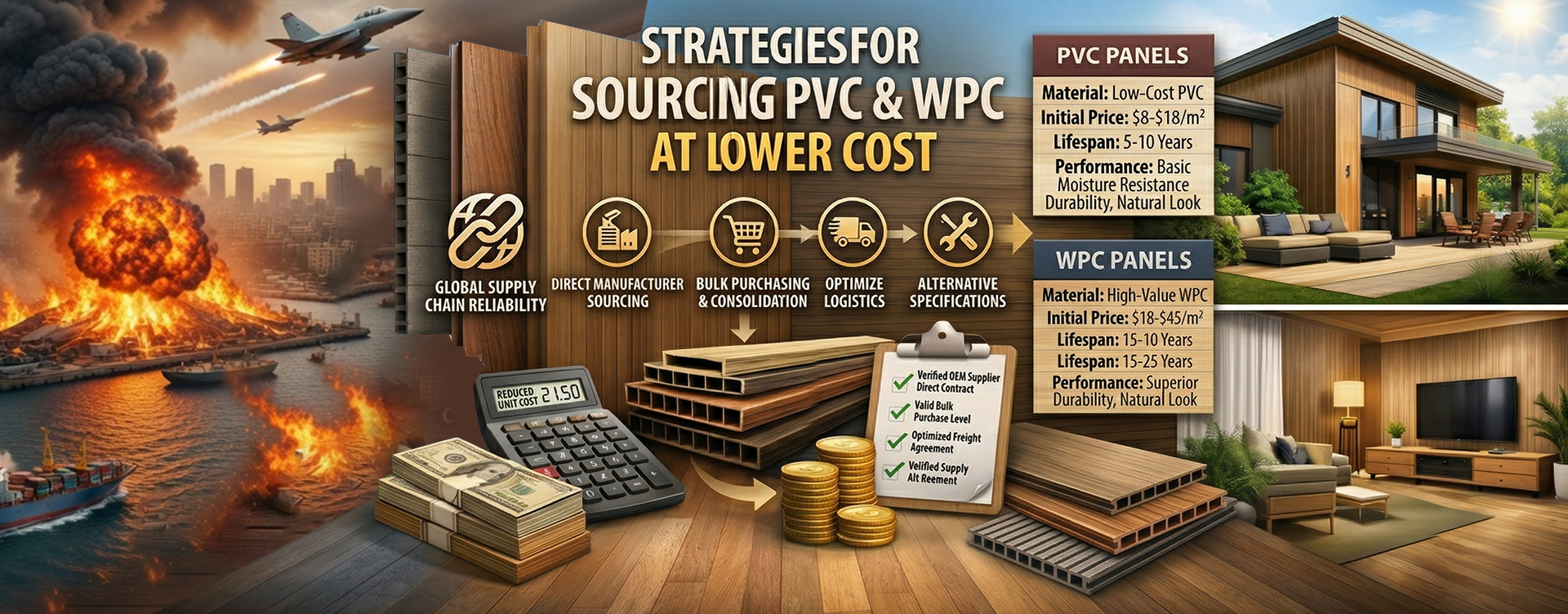
2 Comments
tgwsproxy
May 18, 2026The shift from sourcing solely on price to prioritizing logistics stability and supplier reliability is a crucial insight, especially given the current freight volatility in the Red Sea. It’s clear that structured global partners are becoming essential for navigating these complexities while managing fluctuating steel prices and shipment delays.
Nano Banana AI
May 19, 2026It’s interesting to see how international buyers are moving beyond just price when sourcing building materials. Reliability and logistics stability are clearly becoming key factors, especially with so many disruptions and fluctuations in global supply chains. Structured partnerships seem to be the way forward for navigating these challenges effectively.