Product Details
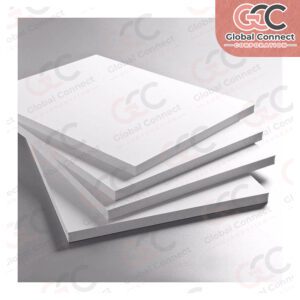
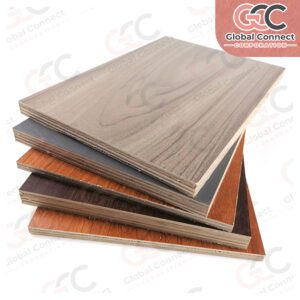
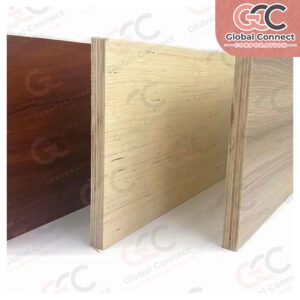
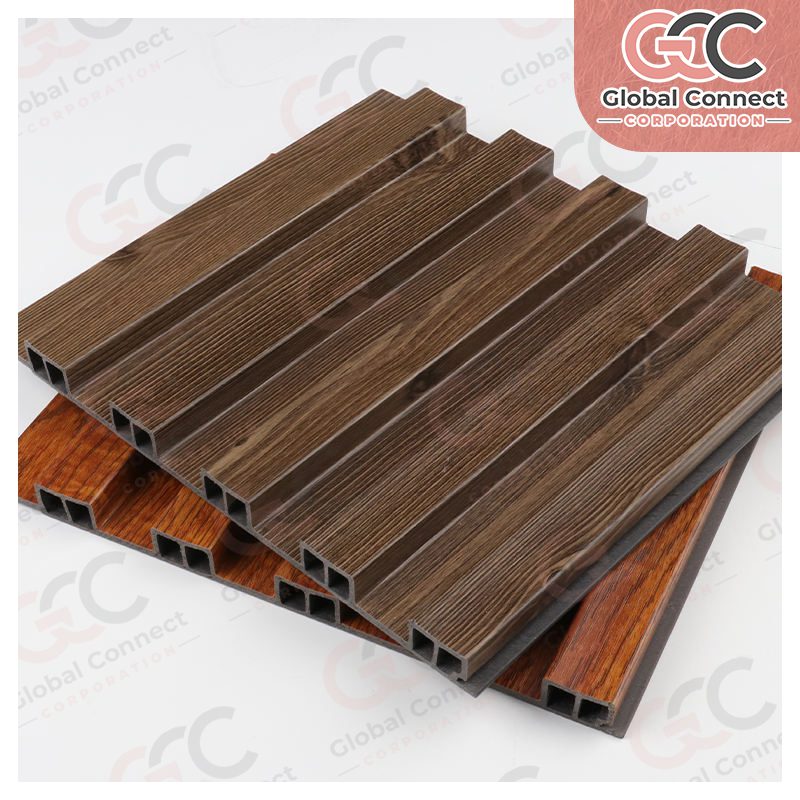
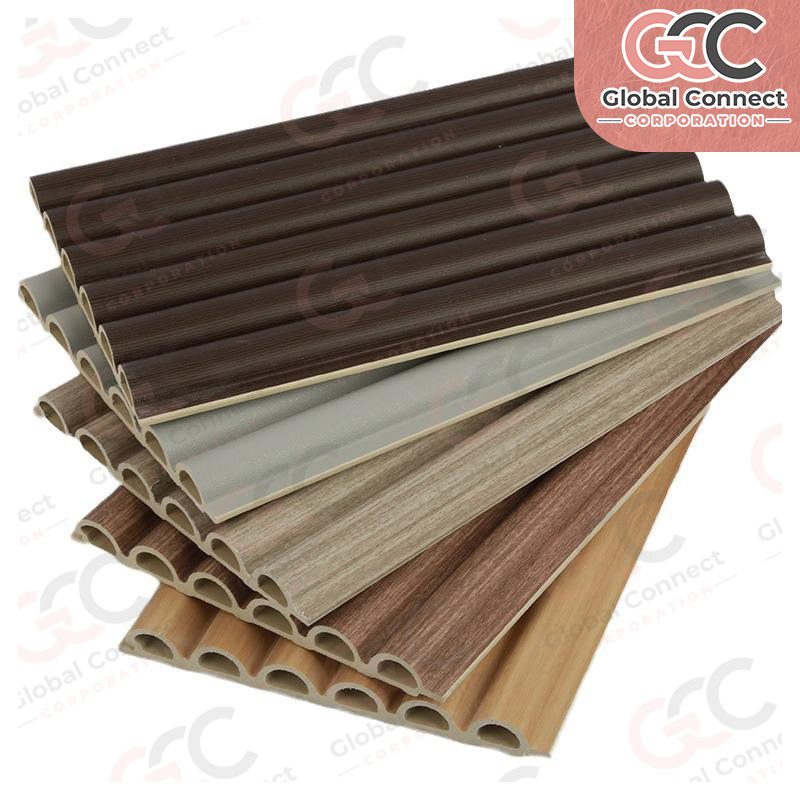
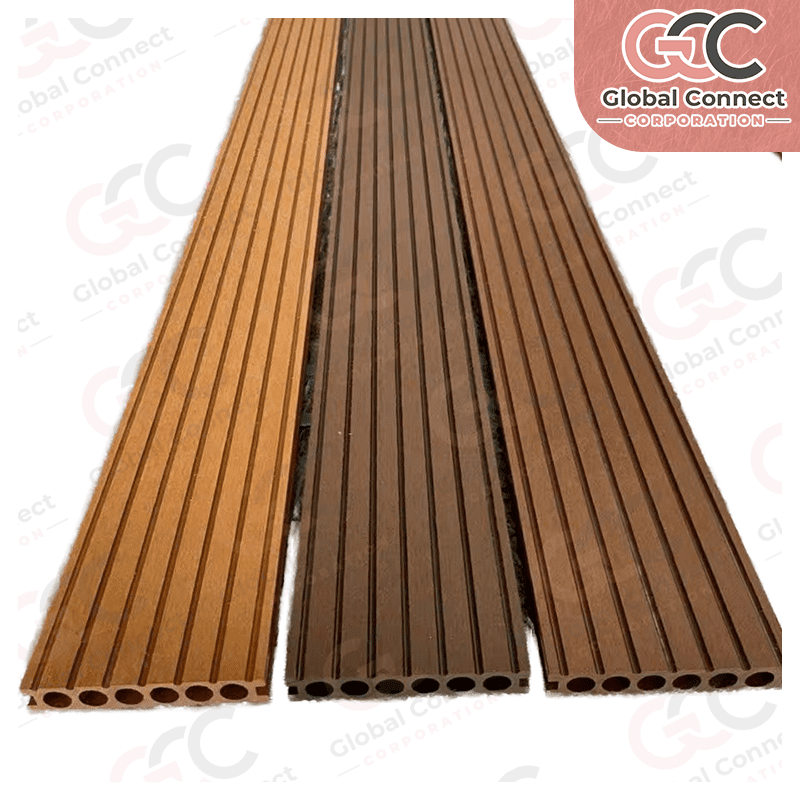
Wood-Plastic Composite (WPC) boards combine the natural look of wood fibers with the durability of PVC, making them ideal for outdoor furniture and wet-area interior applications. Resistant to moisture, termites, fungi, and UV exposure, WPC boards retain their structural integrity and appearance over prolonged use. Their eco-friendly composition and ease of fabrication have made them popular in export markets focused on sustainable products.
Product Types: Wood–Plastic Composite boards blending wood fibers with PVC for durability in wet and outdoor environments
Material Options: PVC resin mixed with wood flour/fibers and stabilizers
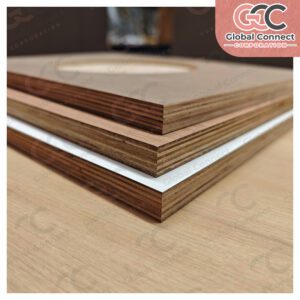
Thickness Range: Commonly 10–25 mm
Sizes: Standard 2440×1220 mm (8×4 ft), customizable on request
Performance: Excellent water, termite, fungal resistance; UV stable; impact resistant
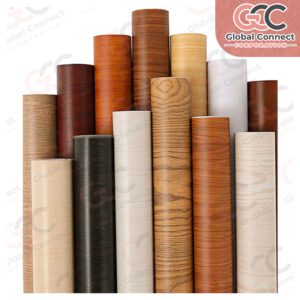
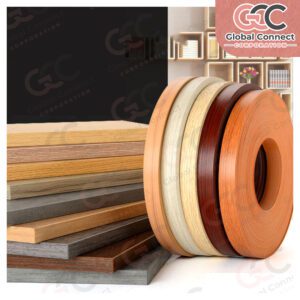
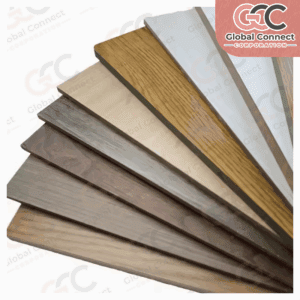
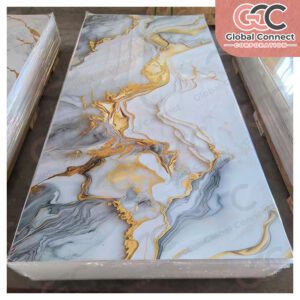
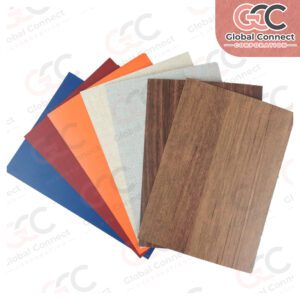
Finish Options: Matte, wood grain textured, smooth
Certifications: ISO 9001:2015, RoHS, REACH
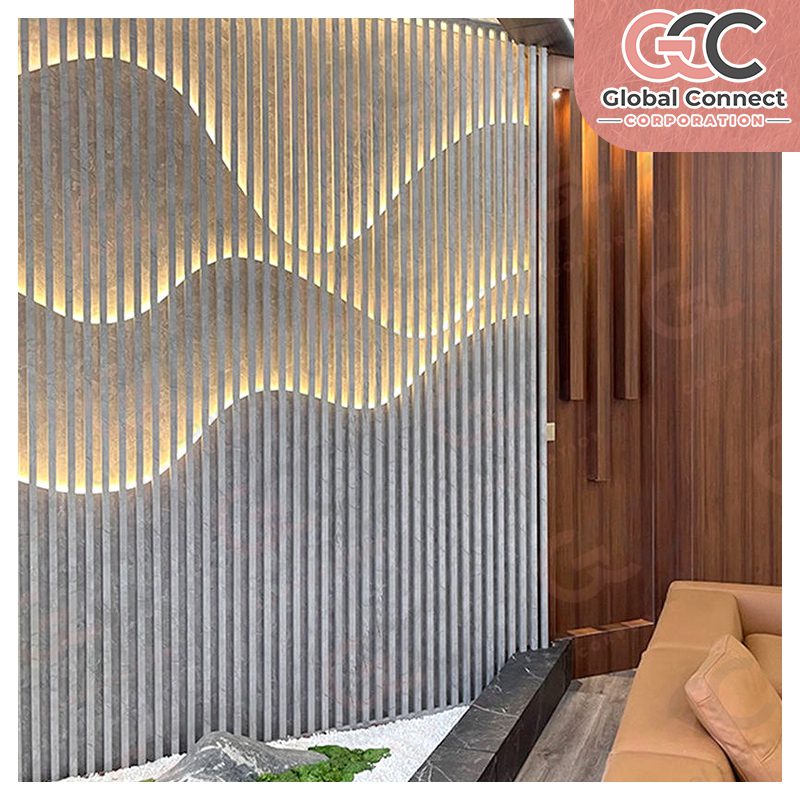
Applications: Outdoor furniture, wet-area cabinetry, exterior paneling, decking substrates
Special Features: Sustainable formulation with eco-friendly additives; dimensionally stable in wet conditions
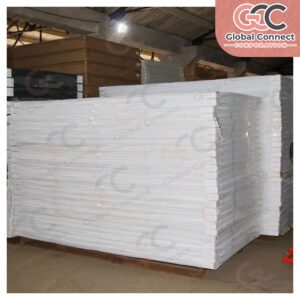
Packaging: Export palletized bundles, secure wrapping
MOQ: 30 sheets (negotiable)
Lead Time: 4–6 weeks post order
Frequently Asked Questions – WPC Board
Why are waterproof furniture manufacturers choosing WPC Boards over plywood?
WPC Boards combine the workability of wood with the durability of polymer composites, making them ideal for kitchens, bathrooms, wardrobes, and other furniture exposed to moisture without the risk of swelling or termite damage.
Can WPC Boards be cut, drilled, and routed using standard woodworking machines?
Yes. WPC Boards can be processed with conventional woodworking tools, allowing manufacturers to cut, drill, groove, and CNC-machine them without major production changes.
Why do bathroom vanity manufacturers prefer WPC over MDF?
Unlike MDF, WPC Boards do not absorb moisture easily, making them a reliable choice for bathroom cabinets, vanity units, and humid commercial interiors where long-term durability is essential.
How does WPC help reduce furniture maintenance after installation?
Its waterproof and termite-resistant properties help minimize repairs caused by moisture, fungal growth, and insect damage, reducing long-term maintenance costs for property owners.
Which products are commonly manufactured using WPC Boards?
Modular kitchens, wardrobes, bathroom cabinets, wall panels, partitions, window frames, furniture components, and decorative interior applications continue to drive demand across Asia, the Gulf, Europe, and Africa.
Can WPC Boards be laminated or painted for premium interiors?
Yes. WPC Boards support decorative laminates, acrylic finishes, PU coatings, veneers, and painted finishes, allowing manufacturers to achieve premium aesthetics for residential and commercial projects.
What should distributors evaluate before stocking WPC Boards?
Professional buyers typically compare board density, dimensional stability, machining quality, surface finish, edge strength, and consistency across production batches before placing repeat orders.
How do builders benefit from WPC in commercial projects?
Builders value WPC for its combination of durability, lightweight handling, and resistance to moisture and termites, making it suitable for hotels, hospitals, offices, schools, and other high-use environments.
What market trends are increasing demand for WPC Boards?
Growing investment in waterproof furniture, sustainable building materials, modular interiors, hospitality projects, and low-maintenance construction solutions continues to increase demand across Asia, the Gulf, Europe, and Africa.
Why do furniture brands and distributors build long-term partnerships with GCC for WPC Boards?
GCC combines manufacturing excellence, export-quality production, OEM and private-label manufacturing, product innovation, and dependable global delivery to support long-term business partnerships across Asia, the Gulf, Europe, and Africa.