Frequently Asked Questions-Nylon Ropes
1. Why are Nylon ropes preferred for heavy-duty industrial applications?
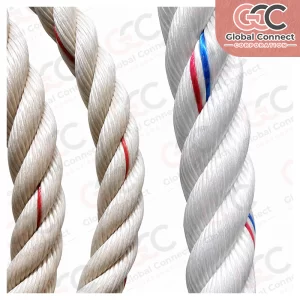
Nylon ropes offer one of the highest strength-to-weight ratios among synthetic ropes while providing excellent elasticity. Their ability to absorb sudden shock loads makes them ideal for lifting, towing, mooring, and dynamic load applications.
2. What makes Nylon ropes suitable for marine mooring?
Nylon ropes can absorb the continuous movement caused by waves, tides, and vessel motion. Their elasticity helps reduce stress on boats, docks, and mooring equipment while maintaining high load-bearing performance.
3. How do Nylon ropes compare with Polyester and Polypropylene ropes?
Nylon provides superior elasticity and shock absorption, making it suitable for dynamic loads. Polyester offers lower stretch and better dimensional stability, while Polypropylene is lighter, floats on water, and is often selected for general-purpose applications where cost is a primary consideration.
4. Which industries purchase Nylon ropes in bulk?
Major buyers include shipping companies, offshore oil & gas contractors, ports, mining companies, industrial lifting equipment suppliers, defense organizations, rescue equipment manufacturers, and marine distributors.
5. Can Nylon ropes be supplied with customized end fittings?
Yes. GCC can supply ropes with eye splices, thimbles, hooks, protective sleeves, customized lengths, lifting loops, color coding, and OEM branding based on customer requirements.
6. What should procurement teams evaluate before purchasing Nylon ropes?
Buyers should compare minimum breaking load (MBL), rope construction, elongation characteristics, abrasion resistance, splice quality, material grade, compliance requirements, and manufacturing consistency before selecting a supplier.
7. What quality inspections are commonly requested by international buyers?
Professional buyers often request breaking load certificates, elongation performance reports, diameter tolerance verification, abrasion resistance testing, splice inspection, visual inspection, and packaging verification prior to shipment.
8. Which industries are driving demand for premium Nylon ropes?
Growth in offshore energy, commercial shipping, port modernization, infrastructure projects, mining operations, rescue services, and industrial lifting equipment continues to increase demand for high-performance nylon ropes.
9. Which products are commonly sourced alongside Nylon ropes?
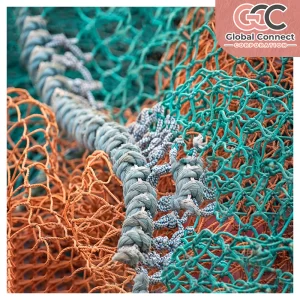
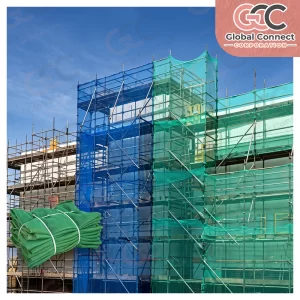
Importers frequently consolidate purchases with Marine Ropes, Mooring Accessories, Construction Safety Nets, Cargo Covers, Tarpaulins, Fishing Nets, and Industrial Webbing to simplify procurement and optimize container loading.
10. Why do international buyers partner with GCC for Nylon ropes?
GCC delivers high-tenacity raw materials, precision manufacturing, application-specific customization, rigorous quality assurance, reliable production schedules, and global export support, enabling customers to source dependable rope solutions for critical industrial operations.