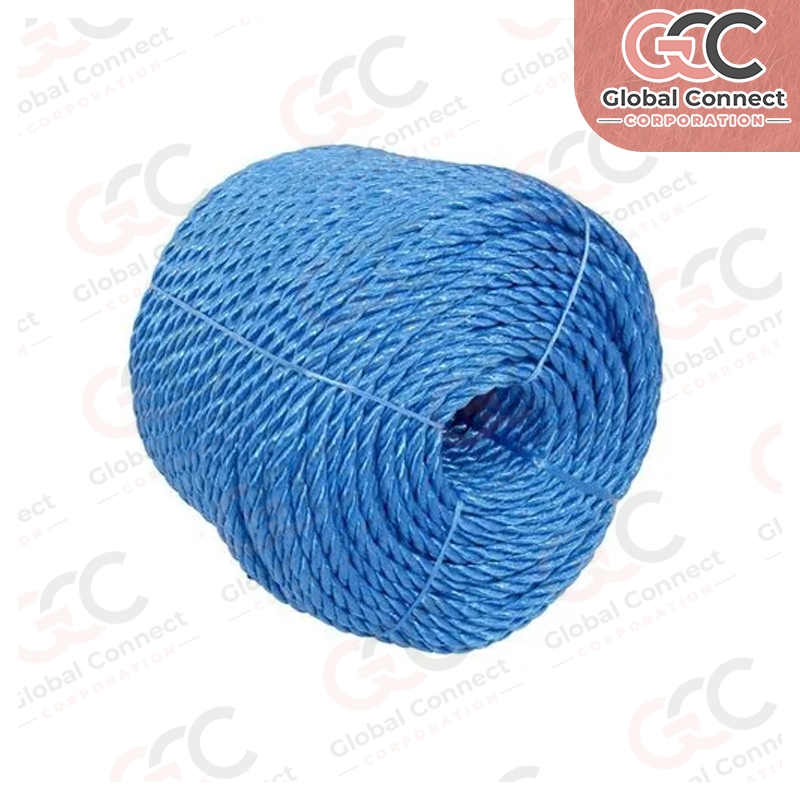
Frequently Asked Questions-Polypropylene (PP) Ropes
1. What makes Polypropylene ropes one of the most popular synthetic ropes?
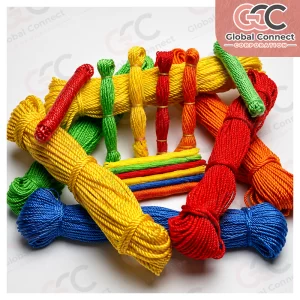
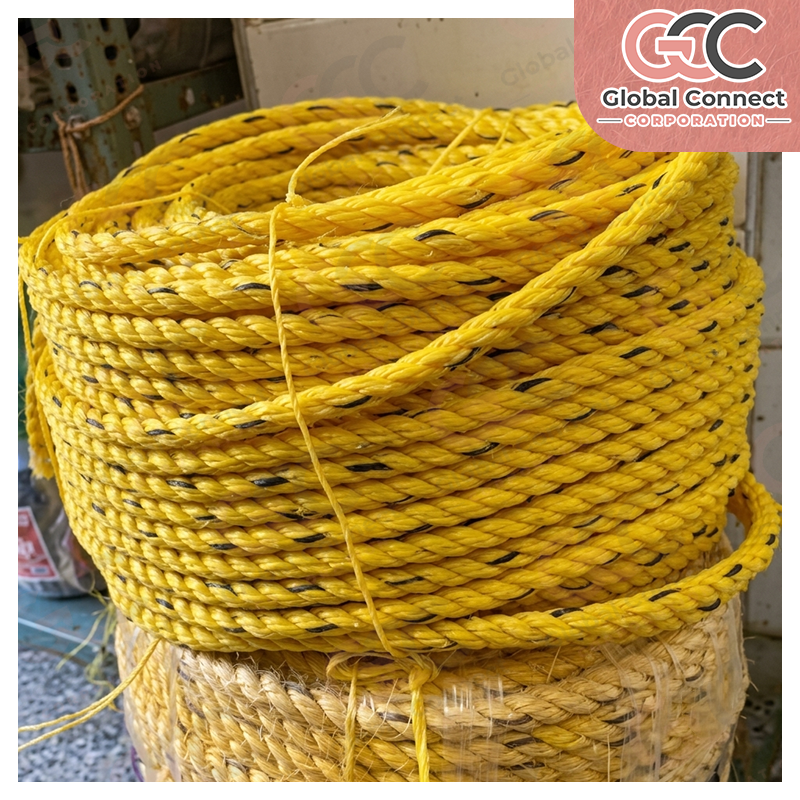
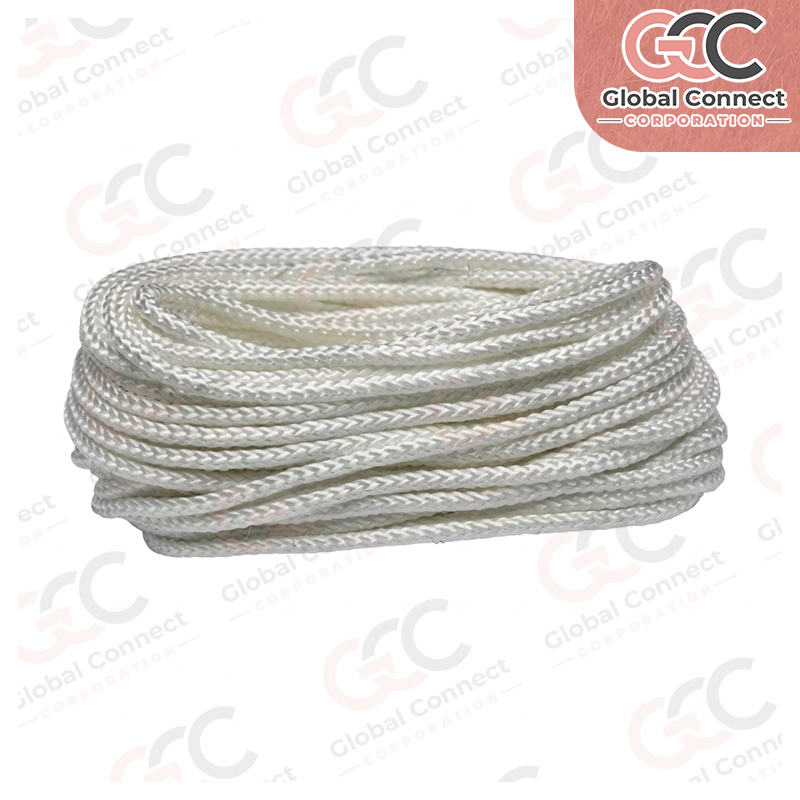
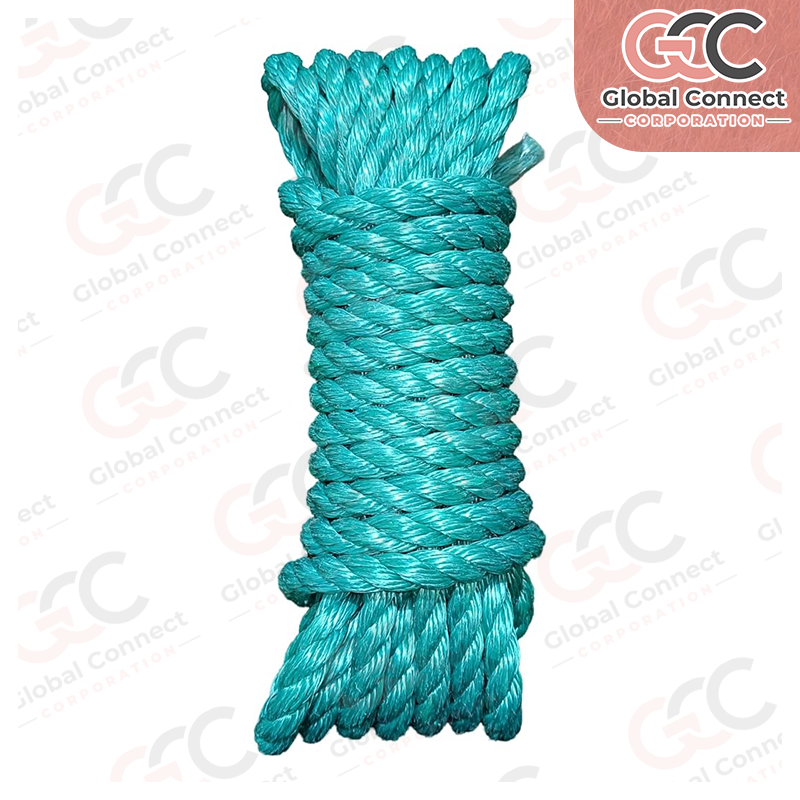
Polypropylene ropes combine lightweight construction, good tensile strength, water resistance, floating capability, and competitive pricing, making them suitable for a wide variety of industrial and commercial applications.
2. Do Polypropylene ropes float on water?
Yes. One of the major advantages of PP ropes is their low density, allowing them to float naturally on water, making them suitable for marine, fishing, rescue, and boating applications.
3. Which industries use Polypropylene ropes most frequently?
PP ropes are widely used by shipping companies, fishing operators, agriculture businesses, warehouses, logistics companies, packaging industries, construction contractors, ports, and utility service providers.
4. Are PP ropes resistant to chemicals and moisture?
Yes. Polypropylene offers excellent resistance to moisture, most acids, alkalis, oils, and many industrial chemicals, making it suitable for outdoor and industrial environments.
5. Can Polypropylene ropes be supplied for retail and wholesale markets?
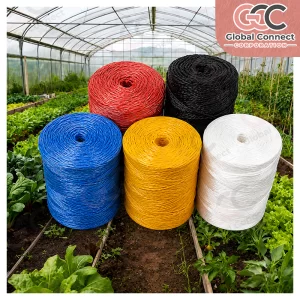
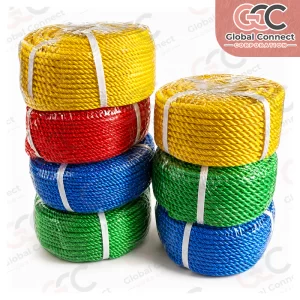
Absolutely. GCC supplies PP ropes in retail coils, industrial reels, bulk spools, customized lengths, branded packaging, and OEM private-label solutions.
6. What should buyers evaluate before selecting a PP rope supplier?
Professional buyers usually compare rope construction, breaking strength, diameter tolerance, weight consistency, raw material quality, manufacturing capability, packaging options, and delivery reliability.
7. Which factors influence the lifespan of Polypropylene ropes?
The lifespan depends on working load, abrasion, UV exposure, environmental conditions, storage practices, and application type. Selecting the correct rope specification helps maximize operational life.
8. What trends are influencing global demand for PP ropes?
Growth in construction, agriculture, logistics, aquaculture, marine transportation, and infrastructure projects continues to increase demand for lightweight, cost-effective synthetic ropes.
9. Which complementary products are commonly purchased together with PP ropes?
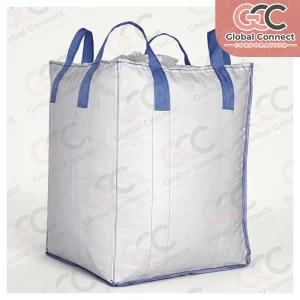
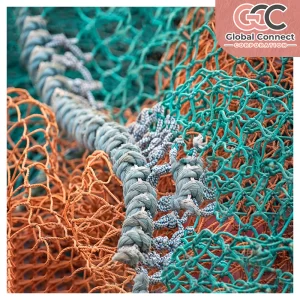
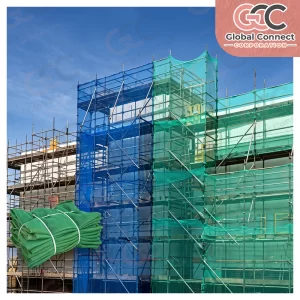
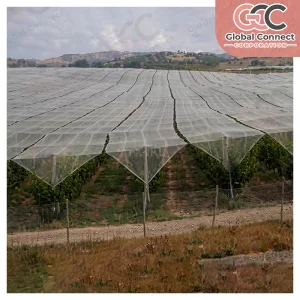
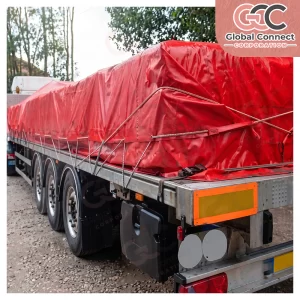
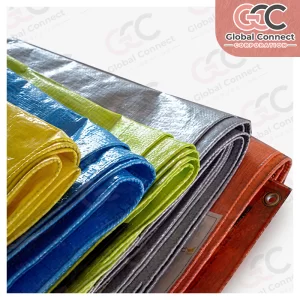
Importers frequently combine PP ropes with Tarpaulins, Cargo Covers, FIBC Bags, Fishing Nets, Safety Nets, Packaging Products, and Agricultural Nets to improve procurement efficiency and container utilization.
10. Why do global distributors source PP ropes from GCC?
GCC provides consistent manufacturing quality, scalable production capacity, flexible customization, competitive export pricing, dependable delivery schedules, and complete OEM support, enabling distributors to serve diverse market requirements with confidence.