Frequently Asked Questions-Polyester Ropes
1. Why do sailing professionals prefer Polyester ropes over Nylon ropes?
Polyester ropes stretch significantly less than nylon, allowing sails, rigging, and dock lines to remain properly tensioned. This provides greater control, better handling, and more consistent performance during marine operations.
2. Are Polyester ropes suitable for permanent outdoor installations?
Yes. Polyester offers outstanding resistance to ultraviolet radiation, moisture, and weathering, making it ideal for long-term outdoor applications such as flagpoles, architectural structures, utility lines, and marina installations.
3. Which industries generate the highest demand for Polyester ropes?
Major buyers include marinas, yacht builders, shipping companies, telecom contractors, utility companies, arboriculture specialists, industrial rigging suppliers, construction firms, and renewable energy projects.
4. How do Polyester ropes perform in saltwater environments?
Polyester maintains excellent strength and dimensional stability in saltwater while resisting rot, mildew, and moisture absorption, making it a reliable material for marine environments.
5. Can Polyester ropes be supplied with factory-finished eye splices?
Yes. GCC supplies ropes with professional eye splices, thimbles, protective sleeves, whipped ends, color coding, and customer-specific end terminations to simplify installation.
6. Which rope construction should buyers choose?
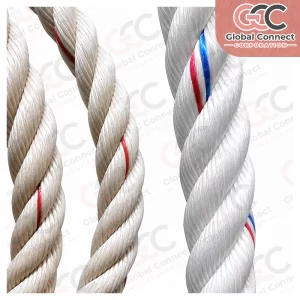
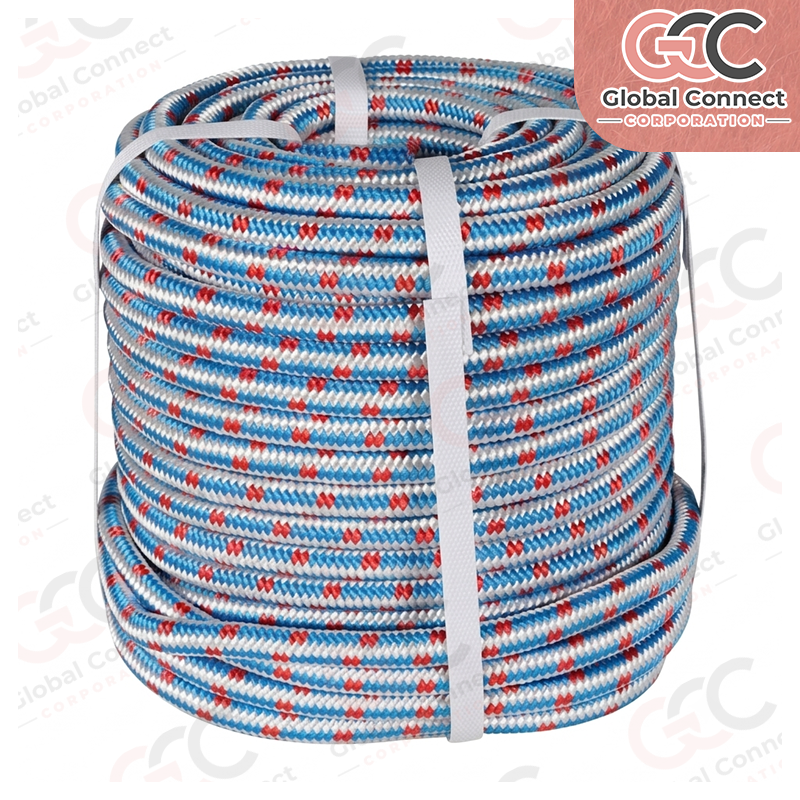
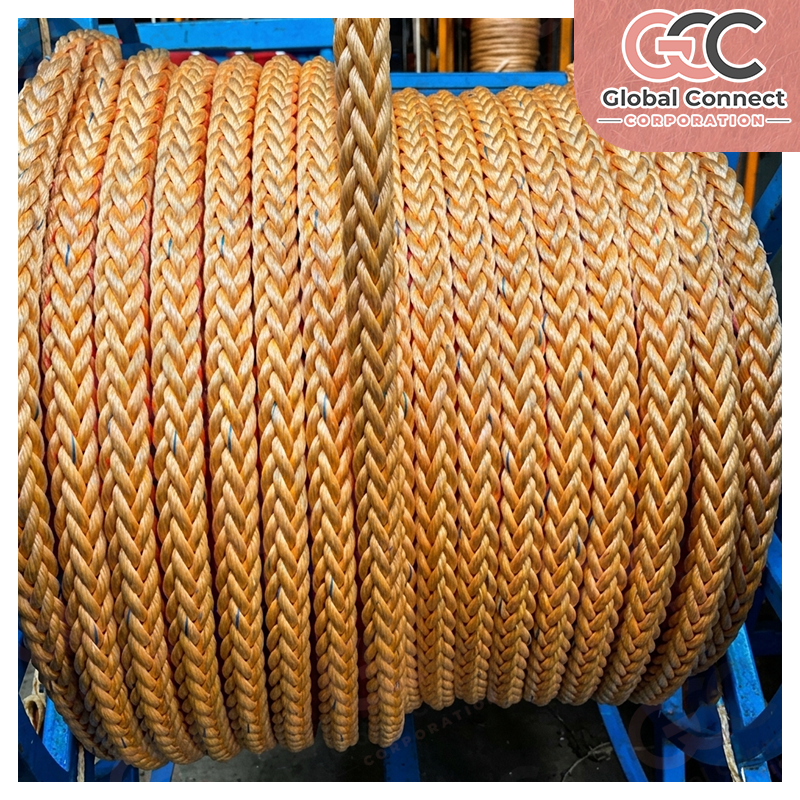
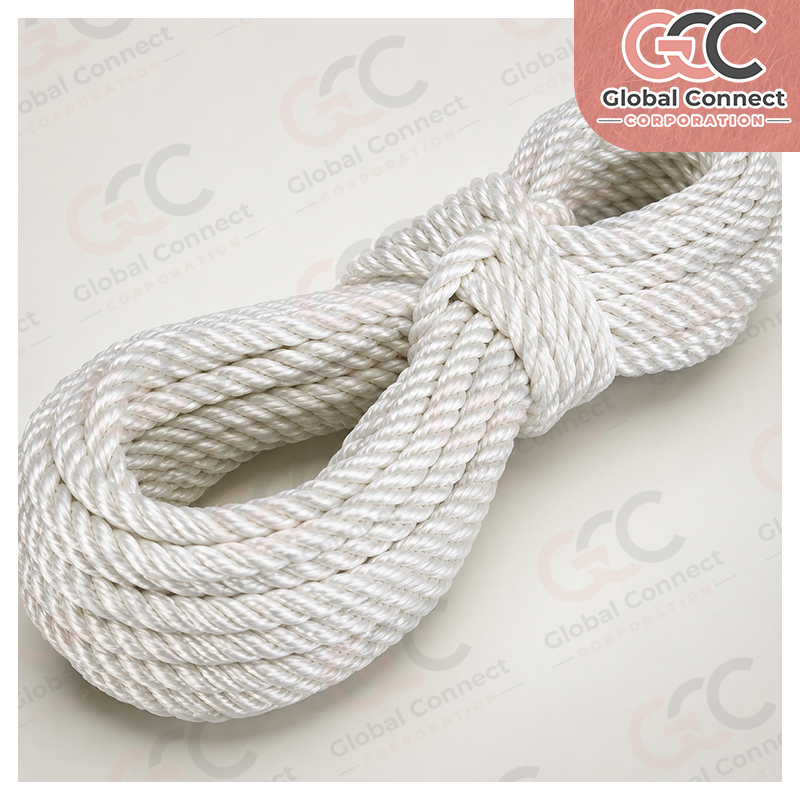
Double-braided ropes are preferred for premium marine and industrial applications requiring flexibility and strength, while twisted constructions are commonly selected for general-purpose commercial applications.
7. What purchasing criteria do professional buyers usually compare?
Procurement teams typically compare elongation percentage, UV resistance, braid quality, splice workmanship, abrasion resistance, breaking load, dimensional consistency, and production reliability before approving suppliers.
8. Which international markets have strong demand for Polyester ropes?
Demand continues to grow across Europe, the Middle East, Africa, Australia, Southeast Asia, and North America, particularly in marine infrastructure, utilities, industrial maintenance, and recreational boating sectors.
9. Which products are commonly ordered together with Polyester ropes?
Customers frequently consolidate purchases with Dock Lines, Marine Fenders, Cargo Lashing Ropes, Tarpaulins, Construction Safety Nets, Lifting Slings, and Industrial Hardware to improve container utilization.
10. Why do distributors choose GCC as a Polyester rope manufacturing partner?
Distributors value GCC’s consistent rope quality, flexible manufacturing, private-label capabilities, dependable export logistics, and ability to produce customized rope solutions for multiple industries from a single production source.