Product Details
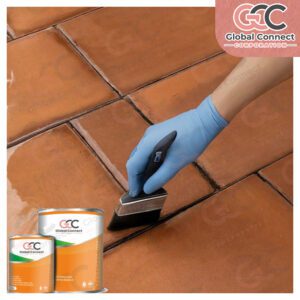
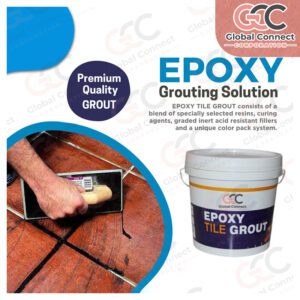
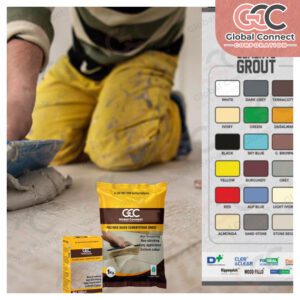
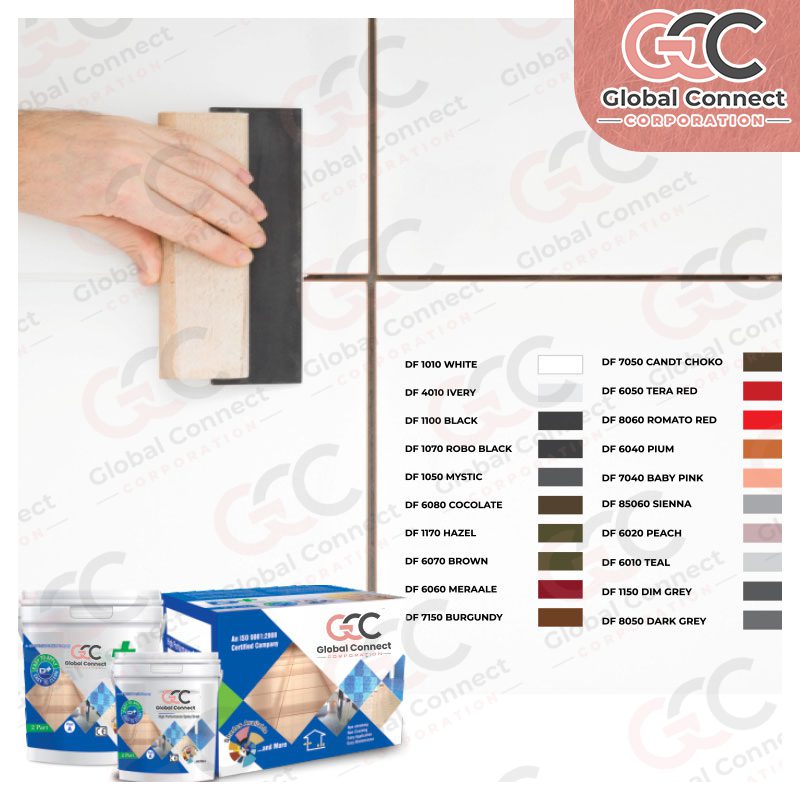
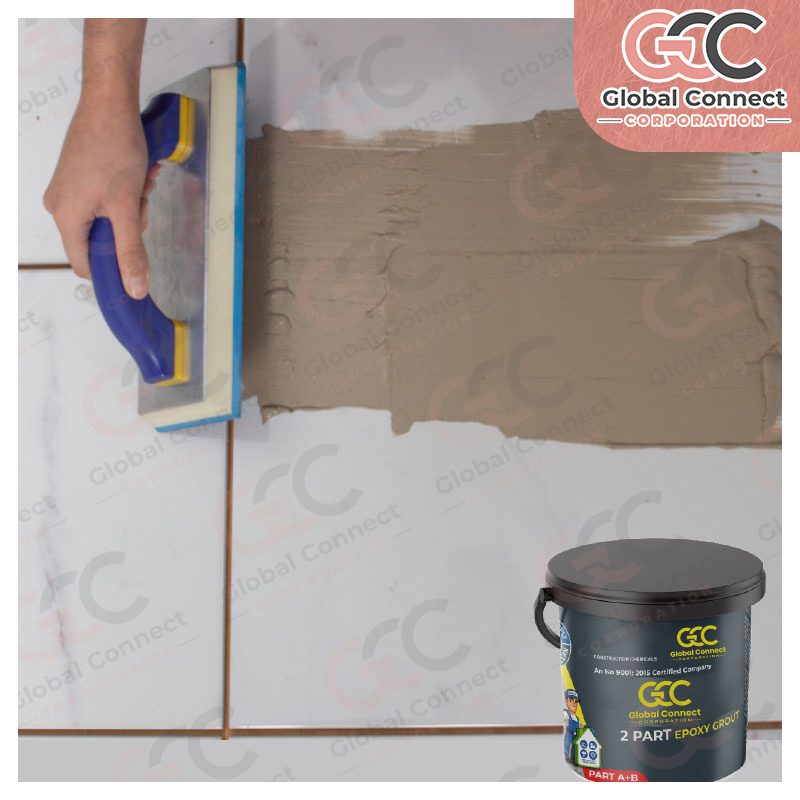
Cement and epoxy grouts provide durable joint-filling solutions tailored for demanding tile and stone applications. Polymer-modified cementitious grouts offer ease of application, uniform color, and cracking resistance for standard tiling. Epoxy grouts deliver superior chemical resistance, strength, and waterproofing, ideal for critical environments such as kitchens, labs, swimming pools, and industrial floors. Available in multiple colors and pack sizes, these grouts meet international quality standards for aesthetic and functional excellence.
Product Types: Polymer-modified cementitious grouts; two-part and three-part epoxy grouts
Materials: Powdered cementitious grout; pre-measured epoxy resin and hardener kits
Performance: High compressive, tensile, flexural strength; excellent resistance to chemicals, stains, acids, solvents, and water; hygienic, dust-free, waterproof
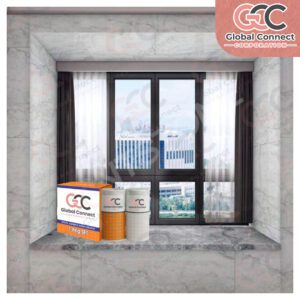
Compatibility: Ceramic, porcelain, vitrified tiles, marble, granite, natural stone; suitable for laboratories, hospitals, food processing environments
Special Features: Easy application, flexible color options, superior bonding to steel, concrete, and tiles; shrinkage and crack resistant
Packaging: Cementitious packs from 500g to 5kg; epoxy packs from 1kg to 5kg
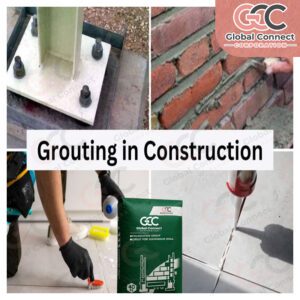
Applications: Wall and floor tile joints, swimming pools, laboratories, hospitals, commercial kitchens, food plants, industrial settings
Standards Compliance: IS, EN, ASTM certified for performance and quality
Frequently Asked Questions – Cement Grouts
Why do engineers specify non-shrink cement grout for equipment installation?
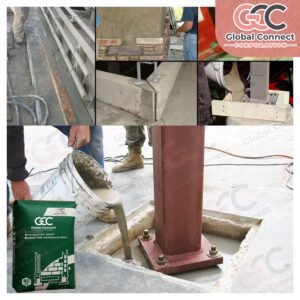
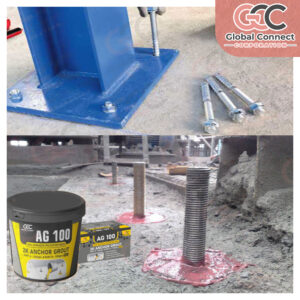
Non-shrink cement grout helps maintain full contact beneath machinery base plates, steel columns, and structural supports, reducing the risk of settlement that could affect alignment and long-term performance.
How do contractors achieve complete void filling beneath machine foundations?
Proper grout flow, clean formwork, controlled pouring techniques, and correct mixing practices help ensure the grout reaches every cavity beneath base plates and structural supports.
Which projects generate the highest demand for cement grouts?
Industrial machinery foundations, wind turbine installations, bridge bearings, precast construction, steel structures, factory equipment, power plants, and infrastructure projects continue to drive demand across Asia, the Gulf, Europe, and Africa.
Why is flowability important during grouting operations?
High-flow grout helps fill narrow gaps and inaccessible spaces without excessive vibration, improving contact beneath equipment and reducing the risk of unfilled voids.
How do plant engineers maintain machinery alignment after grouting?
Proper grout selection, accurate base plate positioning, recommended curing practices, and controlled installation procedures help maintain equipment stability over time.
Can cement grout be pumped for large industrial installations?
Yes. Pumpable grout formulations are commonly used for large foundations, bridge bearings, and heavy equipment installations where manual placement would be less efficient.
What should project consultants evaluate before approving cement grout?
Professional buyers typically review compressive strength, flow characteristics, non-shrink performance, working time, pumpability, and compatibility with project specifications before bulk procurement.
How do contractors reduce downtime during machinery installation?
Selecting grout with suitable working and strength-development characteristics helps contractors complete installation schedules more efficiently while maintaining reliable performance.
What trends are increasing demand for cement grouts?
Growth in renewable energy projects, industrial automation, precast construction, infrastructure expansion, and heavy equipment installation continues to increase demand across Asia, the Gulf, Europe, and Africa.
Why do industrial contractors and infrastructure consultants build long-term partnerships with GCC for cement grouts?
GCC combines manufacturing excellence, product innovation, export-quality production, OEM and private-label manufacturing, and dependable global delivery to support contractors, distributors, industrial facilities, and infrastructure projects across Asia, the Gulf, Europe, and Africa.