Product Details
Polymer/modified adhesives feature advanced polymers and specialty additives for superior adhesion, flexibility, and durability, ideal for demanding tiling projects. They provide reliable long-lasting fixes for large, slim, heavy tiles and challenging substrates including glass mosaic, wood, metal, and drywall. Enhanced slip resistance and extended open time support vertical and horizontal installations, with waterproofing and chemical resistance suitable for luxury, industrial, and high-traffic areas.
Product Types: High-performance polymer and modified cement-based adhesives; flexible, deformable, specialized formulas
Materials: Powder (cement-polymer), single- and two-component PU systems; grey and white colors; multiple pack sizes
Performance: Exceptional flexibility and bonding; accommodates thermal movement and substrate deformation; high water, chemical, and weather resistance
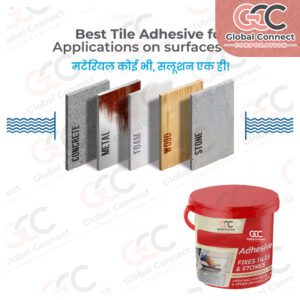
Compatibility: Compatible with ceramic, vitrified, marble, granite, large format tiles, composites, precast terrazzo, thin/slim tiles, nano-engineered stone, glass, metal tiles
Special Features: Polymer modification prevents debonding, enhances open time, slip resistance, and adhesion on challenging surfaces including non-absorbent ones
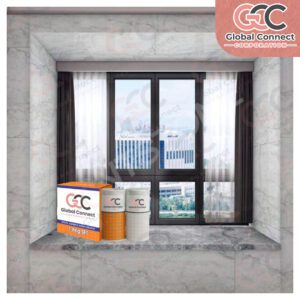
Packaging: Various sizes including 20kg bags for powders, 1kg and 4kg sets for PU/epoxy versions
Applications: Heavy-duty residential and commercial wall/floor tiling, tile-on-tile renovation, glass mosaic, façade cladding, kitchen/bathroom walls, dry walls, metal and wood substrates
Standards Compliance: IS/BS C2T, C2TE, C2TES1, EN 12004
Frequently Asked Questions – Polymer Adhesive
Why do façade contractors choose polymer adhesives for exterior tile installations?
Polymer adhesives provide enhanced flexibility and bonding performance, helping tiled façades withstand thermal expansion, wind loads, and changing weather conditions without compromising long-term adhesion.
Can polymer adhesive be used for tile-on-tile renovation projects?
Yes. It is widely used for renovation projects where new tiles are installed over existing tiled surfaces, helping reduce demolition time and accelerate refurbishment work when the substrate is properly prepared.
How do installers prevent debonding on large-format porcelain slabs?
Large-format tiles require proper adhesive coverage, back-buttering techniques, and high-performance polymer-modified adhesives to distribute stress evenly and maintain reliable long-term adhesion.
Why is flexibility important for heated floors and balconies?
Surfaces exposed to temperature changes expand and contract over time. Flexible polymer adhesives help absorb this movement, reducing stress on the tiled surface.
Which substrates are commonly compatible with polymer adhesives?
Polymer adhesives are commonly used on concrete, cement screeds, plastered walls, existing tiles, cement boards, and other stable construction substrates used in residential and commercial projects.
Which projects generate the highest demand for polymer adhesives?
Premium residential developments, shopping malls, hotels, airports, hospitals, swimming pools, commercial façades, and infrastructure projects continue to drive demand across Asia, the Gulf, Europe, and Africa.
How do contractors improve installation speed without compromising bond quality?
Professional installers combine correct trowel selection, systematic adhesive application, proper open-time management, and full tile coverage to improve productivity while maintaining consistent bond performance.
What should project consultants evaluate before approving a polymer adhesive?
Buyers typically review bond strength, flexibility, slip resistance, open time, deformability, substrate compatibility, and curing performance before approving bulk procurement.
What trends are increasing demand for polymer-modified tile adhesives?
Growth in large-format porcelain slabs, ventilated façades, tile-over-tile renovations, sustainable construction, and premium architectural finishes continues to increase demand across Asia, the Gulf, Europe, and Africa.
Why do distributors and commercial installers build long-term partnerships with GCC for polymer adhesives?
GCC combines manufacturing excellence, product innovation, export-quality production, OEM and private-label manufacturing, and dependable global delivery to support distributors, contractors, and major construction projects across Asia, the Gulf, Europe, and Africa.