Product Details
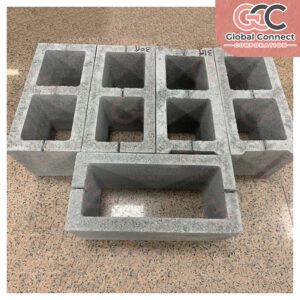
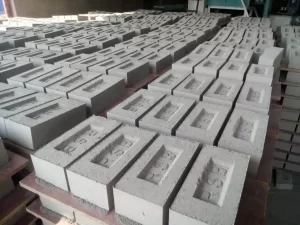
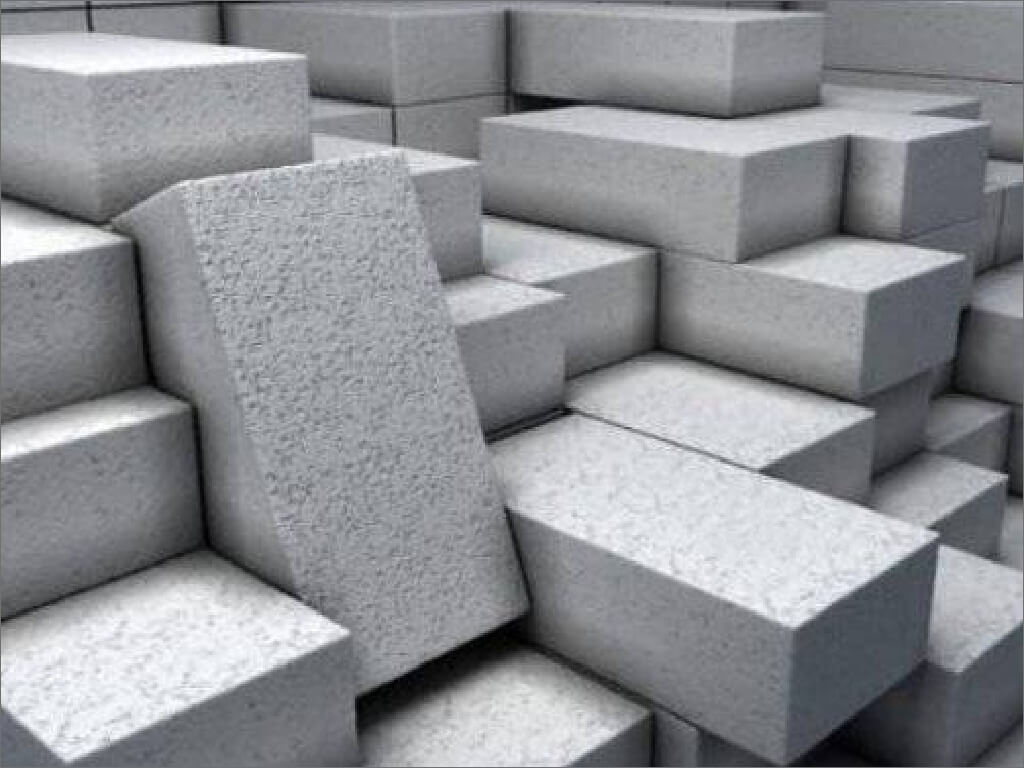
AAC (Autoclaved Aerated Concrete) blocks are lightweight, energy-efficient construction materials offering excellent thermal insulation and fire resistance. Manufactured under high-pressure steam curing, they feature precision-cut edges for easy installation and reduced mortar use.
Their porous structure also provides superior soundproofing. Widely used in residential and commercial buildings, AAC blocks are recognized globally for sustainability and perform well in varied climates by reducing structural load and HVAC energy consumption.
Product Types: AAC blocks with lightweight, high thermal insulation, and fire resistance
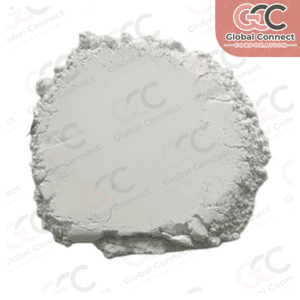
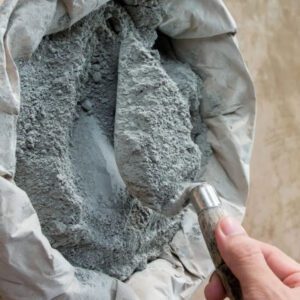
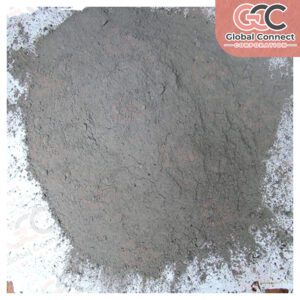
Material Options: Cement, lime, sand, water, and aluminum powder cured under autoclave steam
Sizes: Standard 600x200x100/150/200 mm; custom sizes available
Performance: Dry density 550–650 kg/m³; compressive strength 3–5 MPa; thermal conductivity 0.15–0.25 W/m·K; excellent sound insulation and fire rating
Finish Options: Smooth, precision-cut edges for easy laying and finishing
Certifications: IS 2185 Part 3, EN 771-4, ASTM E119 (fire rating)
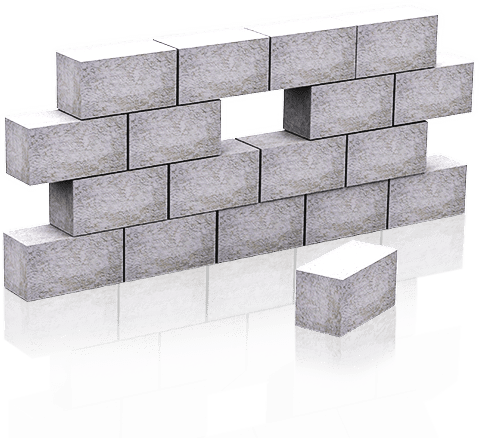
Applications: Load-bearing/non-load-bearing walls, infill panels, multi-story and high-rise buildings, eco-friendly construction
Special Features: Lightweight for reduced structural load; energy-saving thermal insulation; easy cutting/installation; recycled content possible
Packaging: Plastic-wrapped pallets for export protection
MOQ: 1 full container load
Lead Time: 2–4 weeks
Frequently Asked Questions – AAC Blocks
How do developers calculate AAC Block quantities before placing a bulk order?
Project teams typically estimate quantities based on wall thickness, floor plans, wastage allowance, and pallet planning to optimize procurement for large residential and commercial developments.
Why are AAC Blocks helping contractors complete masonry work faster?
Their larger block size allows masons to cover more wall area with fewer units, helping improve laying speed and reduce labor time on high-volume construction projects.
Can electricians and plumbers cut AAC Blocks without heavy equipment?
Yes. AAC Blocks are widely preferred because they can be cut, chased, and shaped on-site for electrical conduits, plumbing lines, and service openings with minimal effort.
How do builders reduce mortar consumption when using AAC Blocks?
Many contractors use thin-joint installation methods with uniform block dimensions, helping reduce mortar usage while maintaining consistent wall alignment.
Which projects generate the highest demand for AAC Blocks?
Residential townships, high-rise apartments, hospitals, schools, hotels, commercial buildings, industrial facilities, and government housing projects continue to drive demand across Asia, the Gulf, Europe, and Africa.
How do project consultants select the right AAC Block thickness for different walls?
Wall thickness is typically determined by structural requirements, partition layouts, thermal performance goals, and acoustic requirements rather than using a single block size throughout the project.
What should importers verify before purchasing AAC Blocks in bulk?
Professional buyers typically review block dimensions, density, compressive strength, pallet packaging, moisture protection, and loading efficiency before confirming export shipments.
How do contractors minimize block breakage during transportation and unloading?
Proper palletization, protective wrapping, careful handling equipment, and planned unloading procedures help reduce material loss on large construction sites.
What trends are increasing demand for AAC Blocks?
Sustainable construction, faster project delivery, energy-efficient buildings, high-rise developments, and affordable housing programs continue to increase demand across Asia, the Gulf, Europe, and Africa.
How does GCC support large-scale AAC Block procurement for developers and contractors?
GCC supplies export-quality AAC Blocks with project-specific sizing options, OEM and private-label manufacturing, optimized pallet packaging, and dependable bulk supply for residential, commercial, and infrastructure projects across Asia, the Gulf, Europe, and Africa.