Product Details
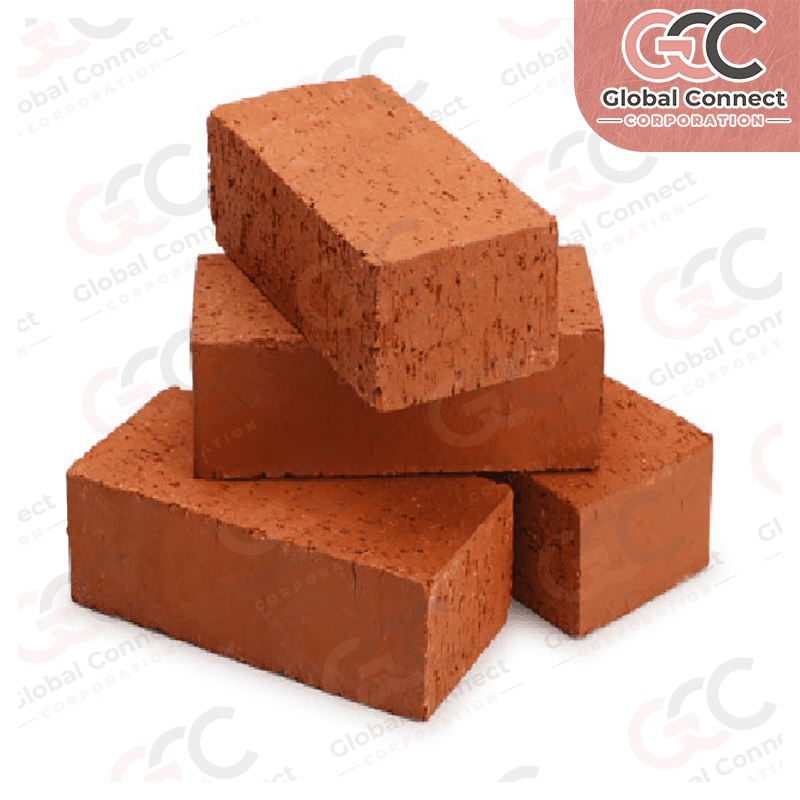
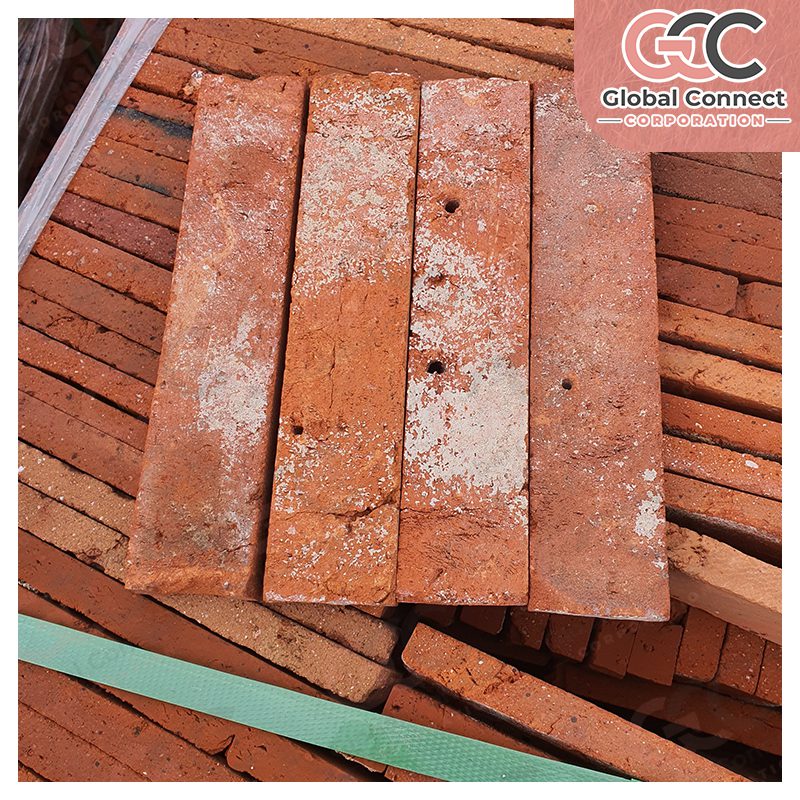
Our high-strength natural fired clay bricks are kiln-fired between 900°C and 1100°C using advanced tunnel kilns to produce vitrified surfaces with excellent hardness and low porosity. These bricks offer superior mechanical strength, thermal insulation, and resistance to water absorption and frost, ensuring durability in tropical and temperate climates.
Consistent size and shape ensure quicker laying and reduced mortar use. Their natural red color and finish have made them favored by architects and builders globally, ideal for modern and traditional constructions focused on energy efficiency and sustainability.
Product Types: High-strength natural fired clay bricks in machine-pressed and hand-moulded variants
Material Options: Selected natural clay with uniform mineral composition for consistency
Sizes: Standard 190x90x90 mm; custom dimensions available
Performance: Compressive strength ≥100 kg/cm²; water absorption <20%; low efflorescence; high durability
Finish Options: Natural red, smooth, textured, sharp-edged finishes
Certifications: IS 1077, ASTM C62, CE marking (optional)
Applications: Load-bearing walls, facades, partitions, pavements, heritage and commercial buildings
Special Features: Eco-friendly manufacturing; superior thermal insulation (~0.7 W/m·K); dimensional tolerance ±2 mm; recyclable and sustainable
Packaging: Palletized, moisture-protected
MOQ: 1 Full Container Load (~125,000 bricks)
Lead Time: 2–4 weeks
Frequently Asked Questions – Clay Bricks
How do developers calculate the number of clay bricks required for large projects?
Most project teams estimate brick quantities using wall dimensions, brick size, mortar joint thickness, and an allowance for cutting and breakage before placing bulk orders.
Why do contractors pay close attention to brick dimensional consistency?
Uniform brick sizes help improve masonry alignment, reduce mortar consumption, speed up wall construction, and deliver a cleaner finished appearance across large projects.
Which clay bricks are commonly selected for exposed façade construction?
Projects with visible brick finishes typically prioritize consistent colour, sharp edges, and uniform texture to achieve an attractive architectural appearance without additional wall finishes.
How does water absorption affect brick performance?
Controlled water absorption helps bricks perform more reliably during masonry work while supporting stronger mortar bonding and long-term wall durability.
Which industries generate the strongest demand for clay bricks?
Residential housing, commercial buildings, schools, hospitals, industrial facilities, infrastructure projects, and government developments continue to drive demand across Asia, the Gulf, Europe, and Africa.
What should importers verify before placing bulk clay brick orders?
Professional buyers typically review brick dimensions, compressive strength, colour consistency, pallet packaging, loading efficiency, and production uniformity before confirming export shipments.
How do contractors reduce brick wastage during construction?
Accurate quantity planning, proper storage on-site, careful handling, and standardized brick sizes help reduce breakage and improve material utilization during masonry work.
Can clay bricks contribute to energy-efficient buildings?
Yes. Clay brick walls provide thermal mass that helps moderate indoor temperature fluctuations, making them suitable for residential, commercial, and institutional buildings.
What trends are increasing demand for clay bricks?
Sustainable construction, exposed brick architecture, affordable housing, heritage-style buildings, and long-lasting masonry structures continue to increase demand across Asia, the Gulf, Europe, and Africa.
How does GCC support developers and brick distributors with bulk clay brick supply?
GCC supplies export-quality clay bricks with consistent dimensions, OEM and private-label manufacturing, secure palletized packaging, and dependable bulk delivery designed for distributors, developers, and large construction projects across Asia, the Gulf, Europe, and Africa.