Product Details
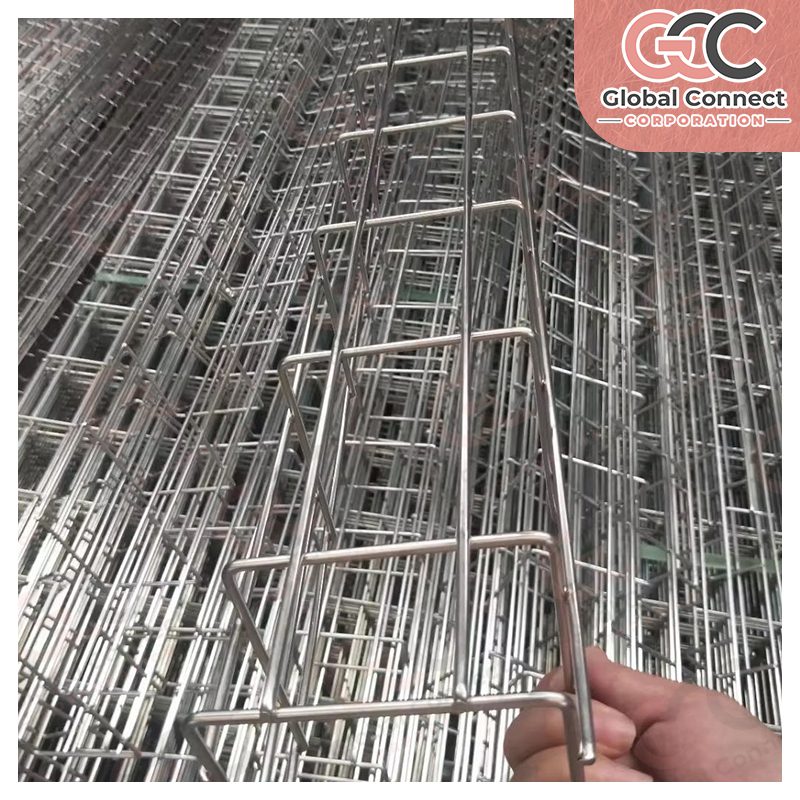
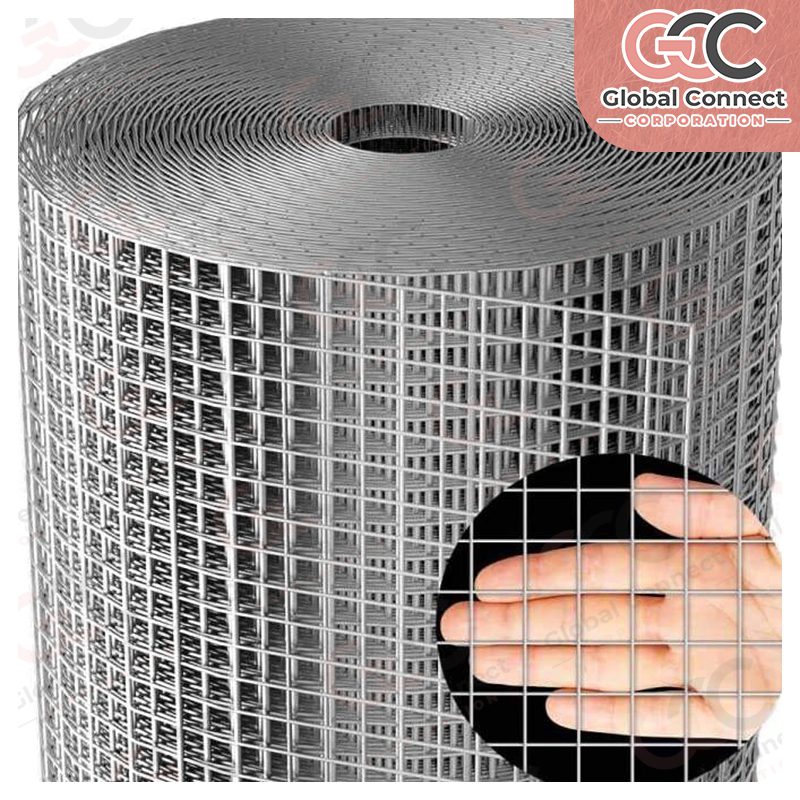
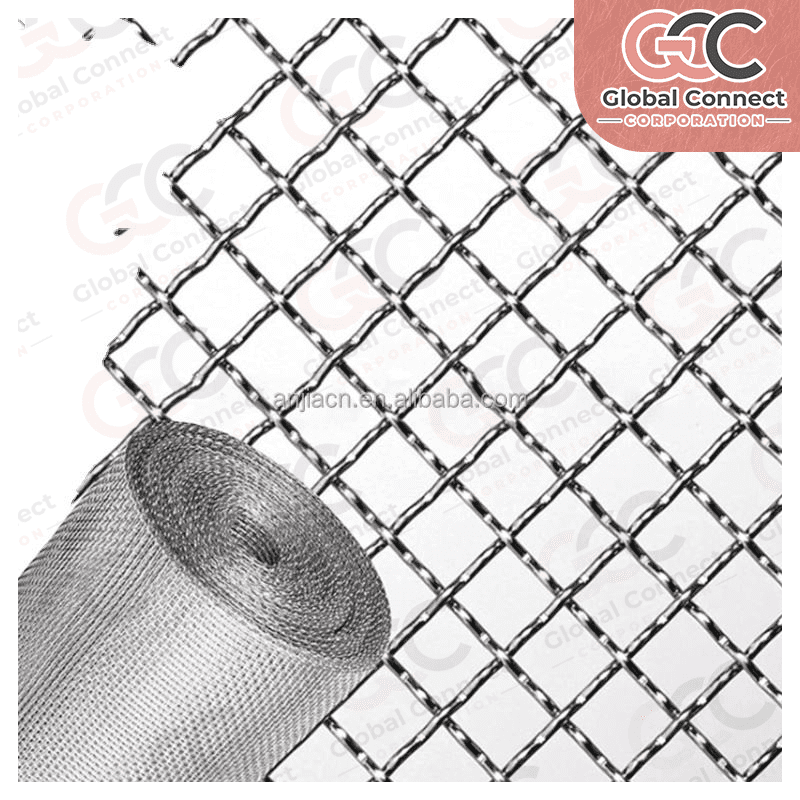
Our wire products, mesh, and accessories provide versatile, strong, and reliable solutions for construction, agriculture, and industrial applications. Mild steel binding wire ensures secure tying with excellent tensile strength, while galvanized and stainless steel wires offer long-lasting corrosion resistance. Available in various gauges, mesh apertures, and coatings, these products serve fencing, security, filtration, and landscaping requirements globally.
Product Types: Mild steel binding wire, galvanized wire, stainless steel wire, wire mesh, expanded metal, chain link fencing, gabions
Material Options: Mild steel, galvanized steel, stainless steel (304, 316 grades)
Sizes: Wire gauges 16–32 (1.0 mm to 0.2 mm); mesh apertures 5 mm to 50 mm; custom sizes available
Performance: High tensile strength; corrosion resistance; flexibility; durable
Finish Options: Black annealed, galvanized, PVC coated, stainless polished
Certifications: IS 280, ASTM A853, ASTM A580, ISO 9001:2015
Applications: Construction binding, fencing, security enclosures, industrial filtration, landscaping, agriculture
Special Features: Corrosion resistance, easy handling, variable tensile strength, multiple mesh patterns/coatings
Packaging: Coils wrapped in waterproof paper/plastic; welded mesh on pallets; boxed fencing panels
MOQ: 1 MT for wire coils; 500 sqm for mesh products
Lead Time: 2–6 weeks depending on product and quantity
Frequently Asked Questions – Wires, Fencing & Binding Wire
How do contractors choose between binding wire, barbed wire, and fencing wire?
The choice depends on the application. Binding wire is used for reinforcement tying, barbed wire for perimeter security, and fencing wire for agricultural, residential, and industrial boundary installations.
Which fencing solution is most suitable for farms and livestock enclosures?
Buyers typically select fencing based on livestock type, boundary length, terrain, and long-term maintenance requirements, with galvanized fencing being a popular choice for outdoor agricultural use.
How do project buyers estimate wire requirements for large fencing projects?
Procurement teams usually calculate total perimeter length, fence height, post spacing, gate locations, and roll coverage before placing bulk orders for commercial or infrastructure projects.
Why is galvanized wire preferred for outdoor installations?
The galvanized coating helps improve corrosion resistance, making it suitable for long-term exposure to rain, humidity, and changing weather conditions.
Which industries generate the strongest demand for wires and fencing products?
Construction, agriculture, industrial facilities, warehouses, highways, railway infrastructure, telecom projects, and government fencing programs continue to drive demand across Asia, the Gulf, Europe, and Africa.
Can binding wire improve productivity on reinforcement work?
Yes. Consistent wire flexibility and reliable tying performance help steel fixers secure reinforcement faster during concrete construction and structural projects.
What should distributors verify before importing fencing products in bulk?
Professional buyers typically review wire diameter, coating specifications, roll weight, tensile performance, packaging quality, and shipment consistency before confirming export orders.
How do warehouse and industrial facilities strengthen perimeter security?
Many industrial sites combine chain-link fencing, barbed wire, gates, and support accessories to create durable perimeter protection for commercial and logistics facilities.
What trends are increasing demand for fencing and wire products?
Growth in agricultural modernization, industrial expansion, logistics parks, infrastructure development, and perimeter security projects continues to increase demand across Asia, the Gulf, Europe, and Africa.
How does GCC support distributors and large fencing projects?
GCC supplies export-quality binding wire, fencing solutions, and industrial wire products with OEM manufacturing, customized packaging, bulk supply capabilities, and reliable delivery for contractors, distributors, agricultural businesses, and infrastructure projects across Asia, the Gulf, Europe, and Africa.