Product Details
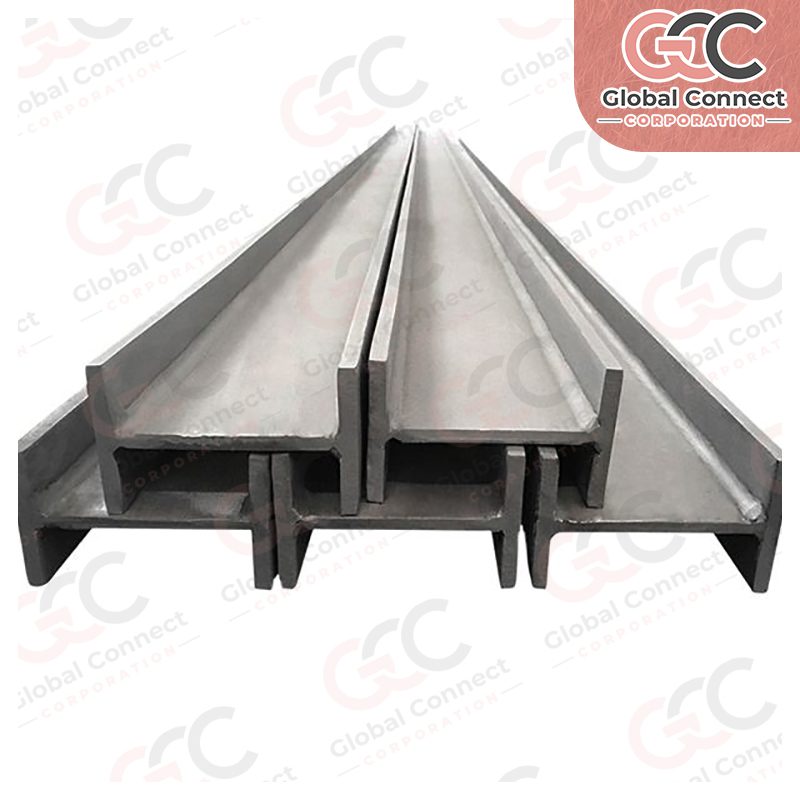
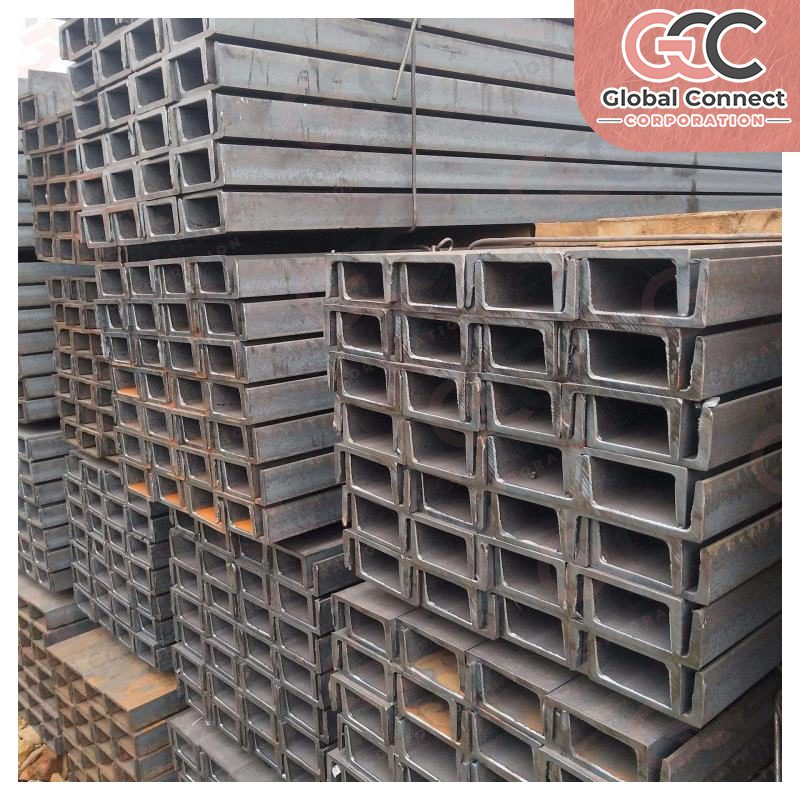
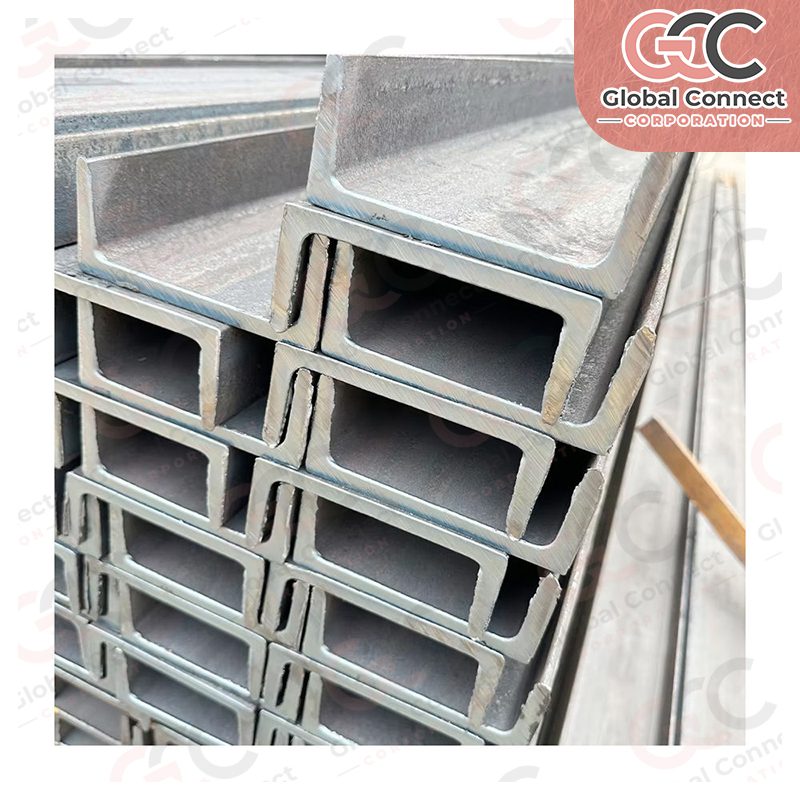
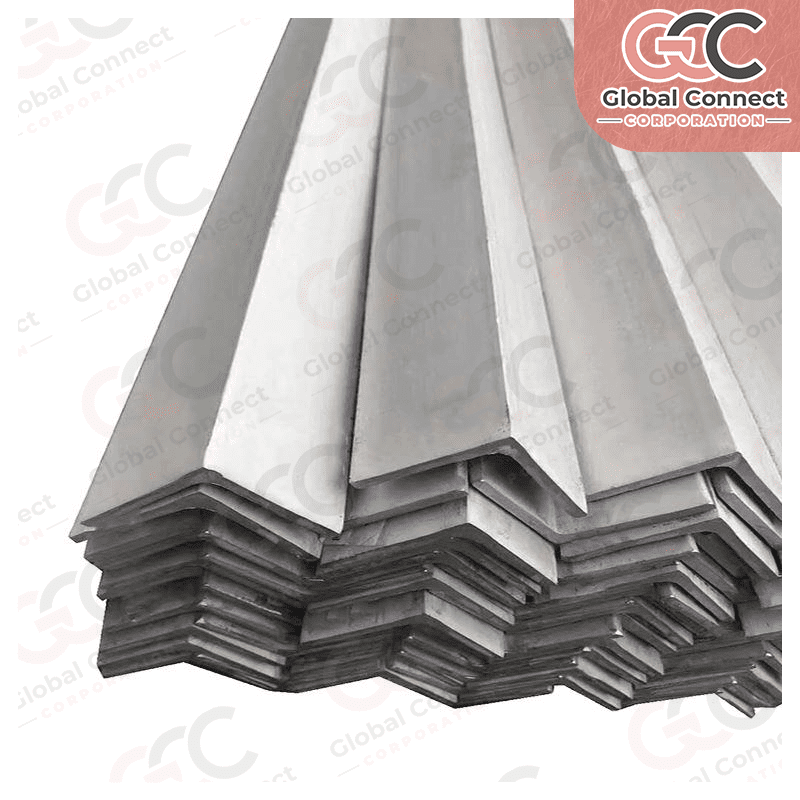
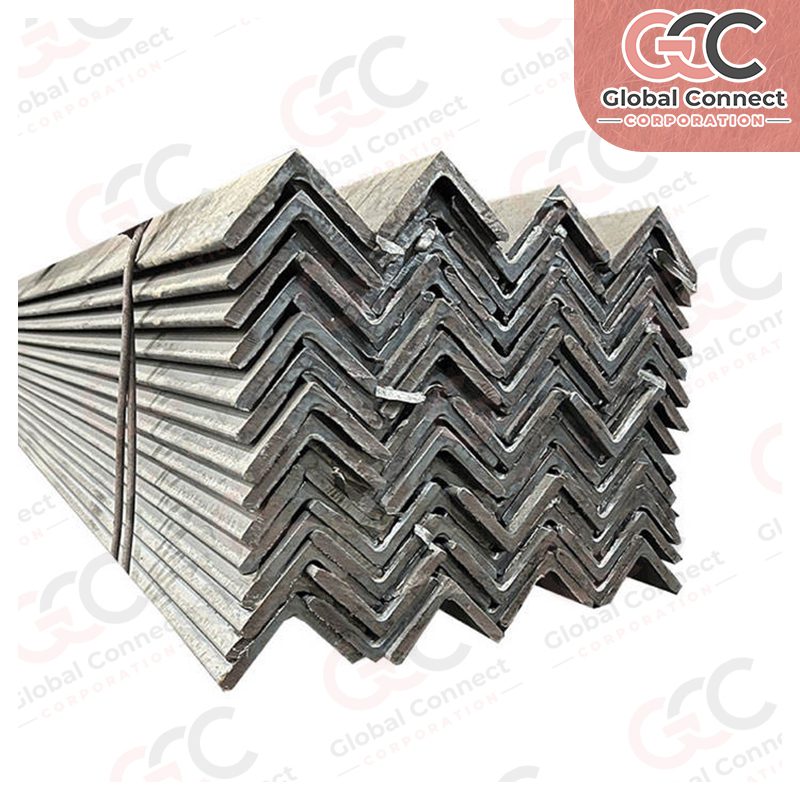
Our structural steel products, including angles, beams, channels, tees, and columns, are engineered to meet global construction and engineering standards. Manufactured with precision and tested for strength and reliability, they are ideal for large-scale infrastructure projects like bridges, industrial plants, and commercial buildings. Custom fabrication and coatings are available to meet specific project needs.
Product Types: Mild steel structural shapes—equal/unequal angles, I-beams, channels, tees, columns
Material Options: IS 2062, ASTM A36, S235JR, S355JR, and other international grades
Sizes: Widths 50 mm to 500 mm; lengths up to 12,000 mm; custom dimensions and machining available
Performance: Yield strength 250–355 MPa; excellent weldability, formability; impact and fatigue resistant
Surface Finish: Mill finish, primed/painted, galvanized on request
Certifications: IS 2062, ASTM A36, EN 10025, ISO 9001:2015
Applications: Building construction, bridges, industrial sheds, heavy structures, transmission towers
Special Features: High dimensional accuracy, uniform tensile properties, certified traceability
Packaging: Palletized and bundled with corrosion protective covering; export packaging available
Lead Time: 2–5 weeks depending on specifications
Frequently Asked Questions – Structural Steel
How do EPC contractors decide between supplying raw steel and fabricated structural steel?
Many EPC projects prefer fabricated structural steel because members arrive cut, drilled, and prepared for installation, reducing on-site fabrication time and helping accelerate project execution.
Can structural steel packages be supplied according to project drawings?
Yes. Structural steel is commonly supplied against approved fabrication drawings, member schedules, connection details, and project specifications for commercial and industrial developments.
Which structural steel sections are most commonly used in industrial buildings?
H-Beams, I-Beams, Channels, Angles, Hollow Sections, and fabricated columns are widely used for warehouses, factories, logistics parks, and heavy industrial structures across Asia, the Gulf, Europe, and Africa.
How do project managers reduce delays during steel erection?
Organized member marking, bundled shipments, sequence-wise dispatch planning, and accurate fabrication help installation teams identify components quickly and improve erection efficiency.
Can structural steel be supplied with galvanizing or protective coatings?
Yes. Depending on project requirements, structural steel can be supplied with galvanized finishes, protective coatings, or project-specific surface treatments to improve durability in different environments.
What should contractors verify before approving a structural steel supplier?
Professional buyers typically review dimensional accuracy, fabrication quality, drilling precision, welding standards, protective finish requirements, packaging, and delivery schedules before confirming large orders.
How do warehouse developers optimize structural steel procurement?
Many developers consolidate columns, beams, purlins, bracing systems, and connection accessories into coordinated shipments to simplify project logistics and improve construction sequencing.
Can structural steel support pre-engineered building (PEB) projects?
Yes. Structural steel forms the primary framework for pre-engineered buildings, including warehouses, factories, aircraft hangars, logistics centers, and commercial sheds where fast construction is a priority.
What trends are increasing demand for structural steel?
Expansion in industrial manufacturing, logistics infrastructure, renewable energy, commercial warehouses, data centers, and prefabricated construction continues to increase demand across Asia, the Gulf, Europe, and Africa.
How does GCC support large-scale structural steel projects?
GCC supplies export-quality structural steel solutions with project-based fabrication support, customized member specifications, coordinated shipment planning, and dependable bulk delivery for commercial, industrial, and infrastructure projects across Asia, the Gulf, Europe, and Africa.