Product Details
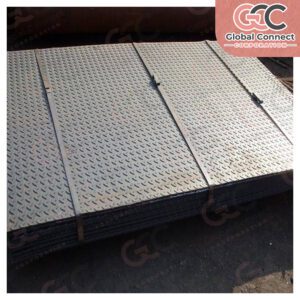
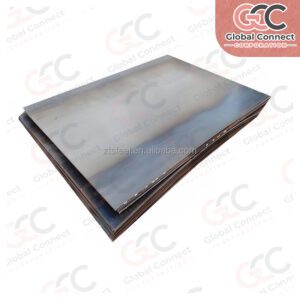
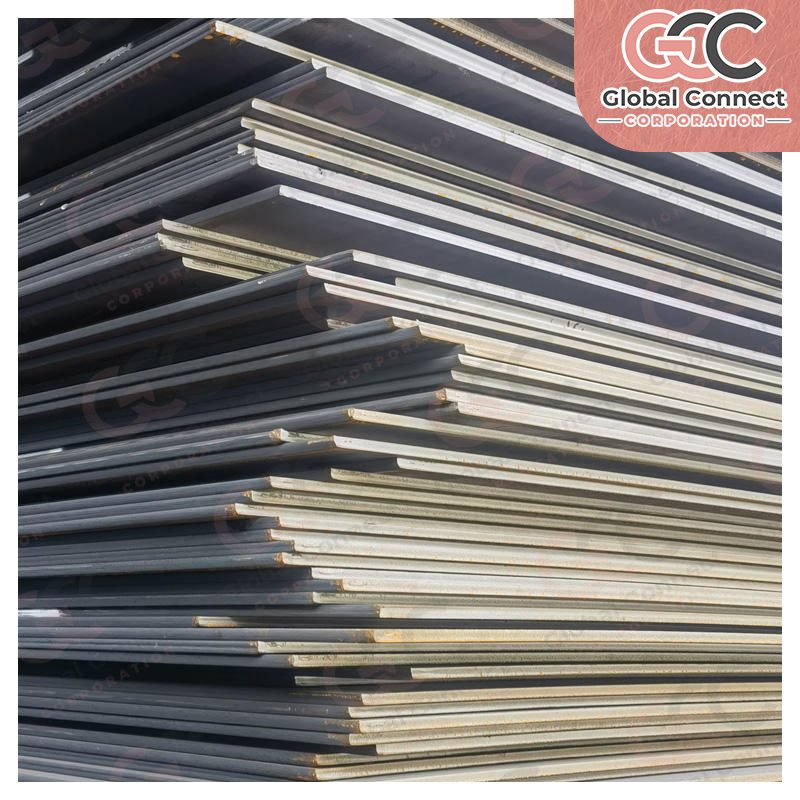
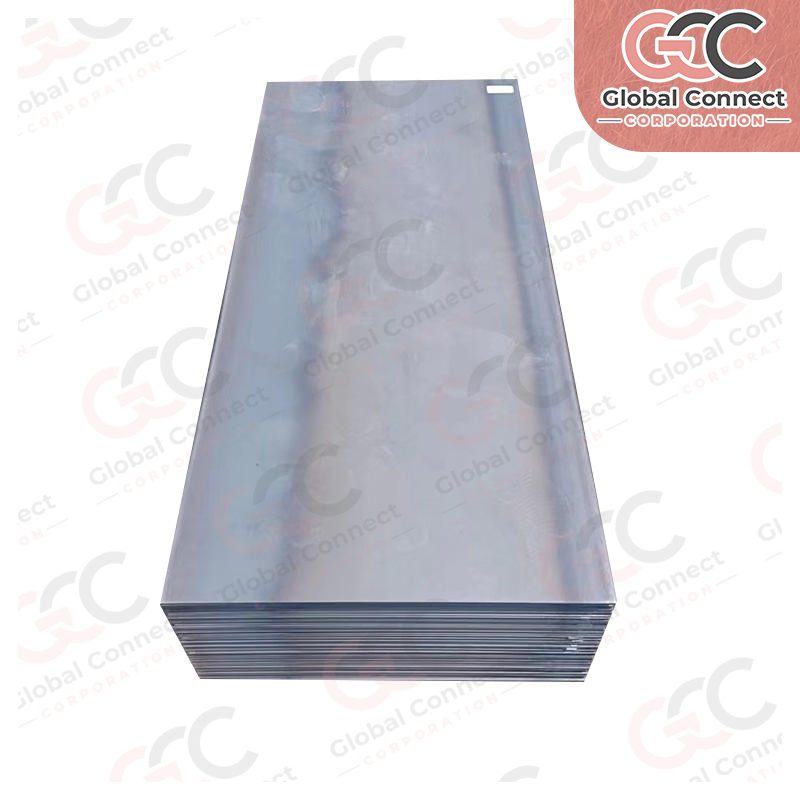
Our steel plates are manufactured under strict quality standards to meet global engineering requirements. Ranging from boiler quality to high-strength structural and abrasion-resistant plates, they provide exceptional toughness, weldability, and reliability for demanding applications. Custom sizing, edge treatments, and flatness ensure suitability for infrastructure, marine, heavy machinery, and fabrication projects.
Product Types: Boiler quality, structural, abrasion-resistant, high tensile, and alloy steel plates
Material Options: IS 2062, ASTM A516, EN 10025, AISI grades with heat treatments and certifications
Sizes: Thickness 3 mm to 150 mm; width 1,000 mm to 4,000 mm; length up to 12,000 mm; custom lengths available
Performance: High tensile strength up to 700 MPa; excellent toughness, weldability, and formability
Surface Finish: Shot blasted, mill finish, painted/coated, flame-cut edges
Certifications: IS 2062, ASTM A516, EN 10025, ISO 9001:2015
Applications: Shipbuilding, pressure vessels, bridges, heavy machinery, structural fabrication
Special Features: Superior flatness and dimensional accuracy, crack resistance, custom cutting services
Packaging: Marked, bundled, heavy-duty packaging for export and rough handling
MOQ: 10 MT per specification
Lead Time: 3–6 weeks depending on grade and thickness
Frequently Asked Questions – Steel Plates
How do EPC contractors select the right steel plate thickness for heavy engineering projects?
Plate selection is based on structural calculations, load-bearing requirements, fabrication methods, and project specifications. Heavy engineering projects typically choose thickness according to design performance rather than a standard gauge.
Why do shipyards prefer steel plates over thinner sheet products?
Shipbuilding requires thick, high-strength plates that can withstand continuous welding, heavy loads, and demanding marine operating conditions while maintaining structural reliability.
Can steel plates be used for pressure vessel and storage tank fabrication?
Yes. Steel plates are widely used for storage tanks, pressure vessels, silos, industrial equipment, and fabricated steel structures where dependable mechanical performance is essential.
How do bridge fabricators improve welding efficiency with steel plates?
Consistent plate thickness, clean edges, and reliable material properties help improve fit-up, reduce welding adjustments, and maintain fabrication accuracy during large structural projects.
Which industries generate the strongest demand for steel plates?
Shipbuilding, heavy engineering, mining equipment, bridge construction, crane manufacturing, oil & gas projects, power plants, and industrial infrastructure continue to drive demand across Asia, the Gulf, Europe, and Africa.
What should buyers verify before importing steel plates in bulk?
Professional buyers typically review plate thickness, dimensional tolerances, mechanical properties, edge condition, packaging protection, and shipment consistency before approving export orders.
Can steel plates be processed using CNC flame and plasma cutting?
Yes. They are commonly processed using CNC flame cutting, plasma cutting, drilling, beveling, and heavy fabrication equipment for large industrial components.
How do manufacturers reduce material waste when fabricating steel plates?
Many fabrication companies optimize plate nesting, cutting layouts, and production planning to improve material utilization and reduce scrap on large projects.
What trends are increasing demand for steel plates?
Growth in renewable energy, offshore structures, industrial manufacturing, transportation infrastructure, and heavy construction continues to increase demand across Asia, the Gulf, Europe, and Africa.
How does GCC support large industrial projects requiring steel plates?
GCC supplies export-quality steel plates for heavy fabrication, OEM manufacturing, and infrastructure projects with customized specifications, bulk supply capabilities, and dependable delivery for long-term industrial programs across Asia, the Gulf, Europe, and Africa.