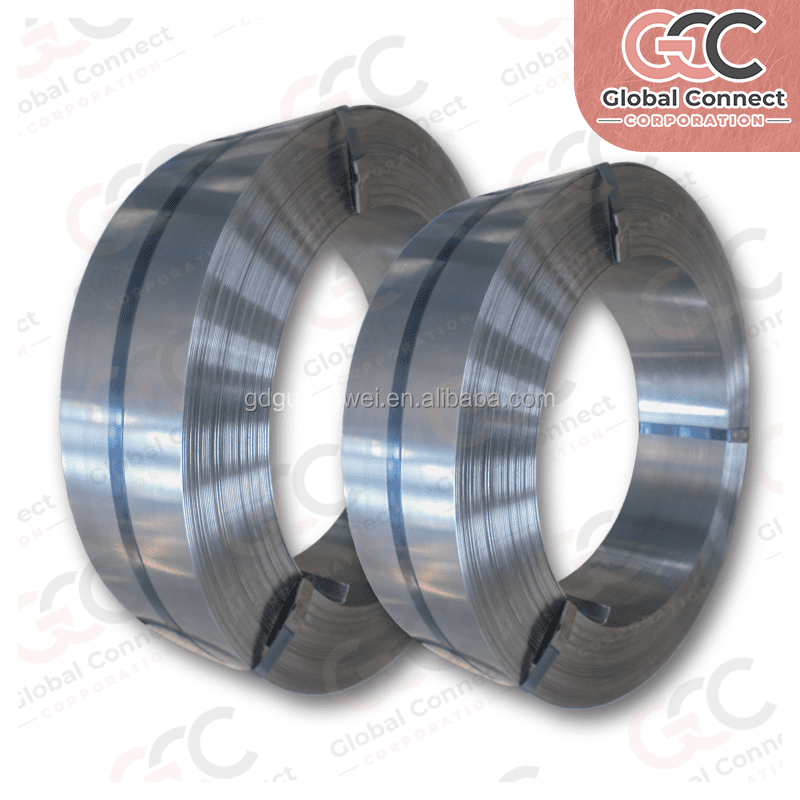
Product Details
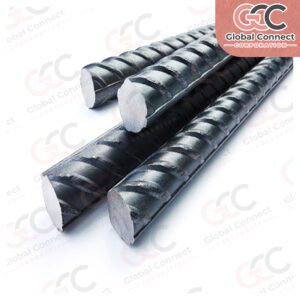
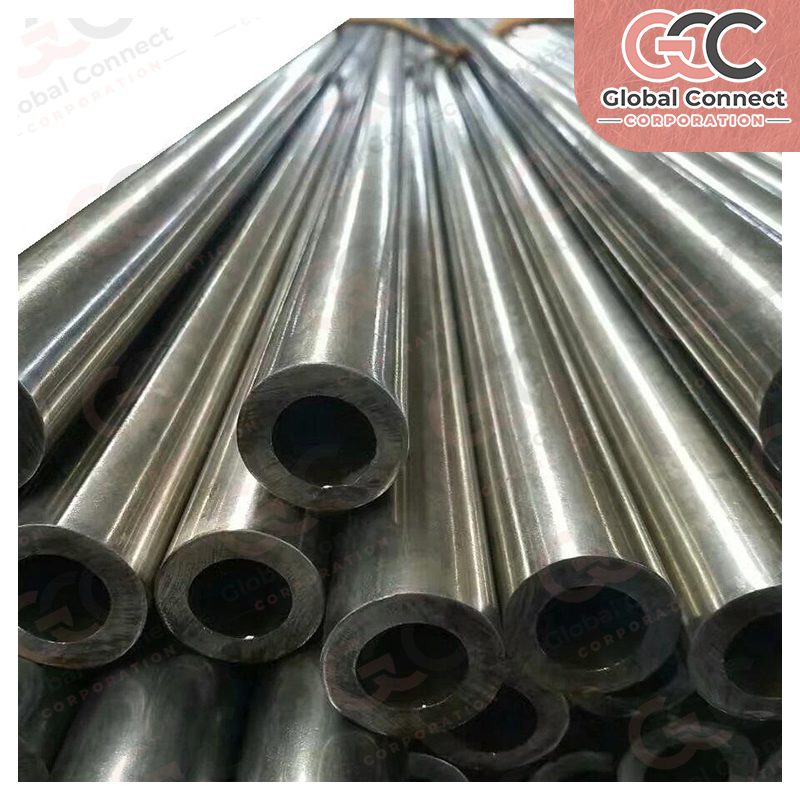
Our alloy and tool steels are precisely engineered to deliver superior mechanical strength, wear resistance, and durability essential for industrial tooling and heavy machinery. Heat-treated and processed with accuracy, these steels satisfy the stringent requirements of automotive, aerospace, and manufacturing industries. Custom hardening and tempering solutions enhance performance and extend component lifespan.
Product Types: Alloy steels for high strength and wear resistance; tool steels for cutting, molding, and forming tools
Material Options: Alloy grades such as 20MnMo, 40Cr, 42CrMo, EN 24; tool steel grades including D2, H13, O1, A2
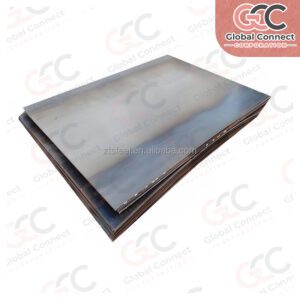
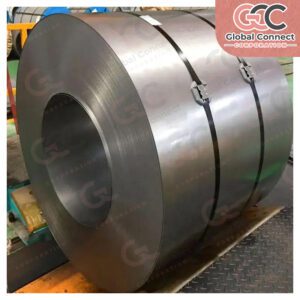
Sizes: Bars, plates, rods, flat and round forms; custom heat treatments available
Performance: High tensile strength, excellent toughness, wear and thermal resistance, machinable
Finish Options: Hot rolled, cold drawn, ground, hardened, tempered
Certifications: IS 2062, ASTM A29, EN 10083, ISO 4957, ISO 9001
Applications: Automotive parts, heavy machinery, molds, dies, cutting tools, industrial equipment
Special Features: Custom heat treatment, superior mechanical properties, dimensional stability
Packaging: Bundled, rust-preventive treatment, export-grade crates available
MOQ: 1 MT per size and grade
Lead Time: 3–8 weeks depending on specification and treatment
Frequently Asked Questions – Alloy Steel Bars
How do manufacturers choose between EN8, EN19, and EN24 alloy steel bars?
The choice depends on the component’s load, wear resistance, torque requirements, and heat treatment needs. EN8 is commonly selected for general engineering, EN19 for high-strength shafts and gears, and EN24 for demanding heavy-duty applications.
Why do forging companies prefer alloy steel bars for critical components?
Alloy steel bars maintain excellent mechanical performance after forging and heat treatment, making them suitable for crankshafts, connecting rods, axles, and heavy engineering components.
Can alloy steel bars be machined before heat treatment?
Yes. Many manufacturers perform rough machining before heat treatment and finish-machine the component afterward to achieve tighter dimensional accuracy and the required mechanical properties.
Which industries generate the strongest demand for alloy steel bars?
Automotive manufacturing, oil & gas equipment, mining machinery, power transmission, aerospace support industries, industrial machinery, and heavy engineering continue to drive demand across Asia, the Gulf, Europe, and Africa.
How do OEM buyers reduce machining costs when sourcing alloy steel bars?
Selecting the correct diameter, grade, and supply condition helps minimize material removal, reduce tool wear, and improve production efficiency throughout machining operations.
Why is heat treatment compatibility important for alloy steel bars?
Many precision components require controlled hardness, toughness, and wear resistance, so buyers often select grades that respond consistently to quenching, tempering, and other heat treatment processes.
What should importers verify before placing bulk alloy steel bar orders?
Professional buyers typically review chemical composition, mechanical properties, dimensional tolerances, straightness, mill certification, and batch consistency before confirming export shipments.
Can alloy steel bars be used for high-torque rotating components?
Yes. They are widely used for drive shafts, transmission shafts, gears, spindles, couplings, and other rotating components where fatigue strength and durability are essential.
What trends are increasing demand for alloy steel bars?
Growth in electric vehicle manufacturing, industrial automation, renewable energy equipment, precision engineering, and heavy machinery production continues to increase demand across Asia, the Gulf, Europe, and Africa.
How does GCC support OEM manufacturers with alloy steel bar supply?
GCC supplies export-quality alloy steel bars in multiple grades, diameters, and supply conditions, supporting OEM manufacturing, precision engineering, and long-term procurement programs with dependable bulk delivery across Asia, the Gulf, Europe, and Africa.