Product Details
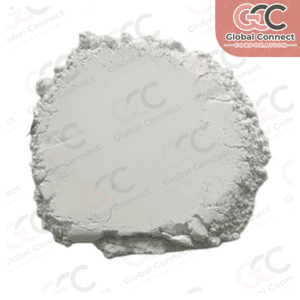
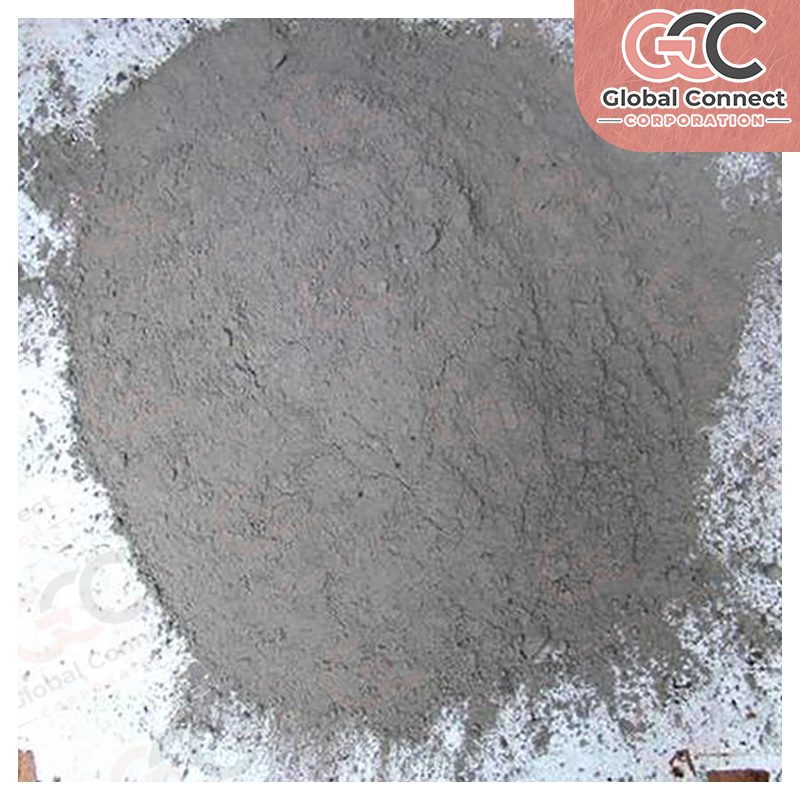
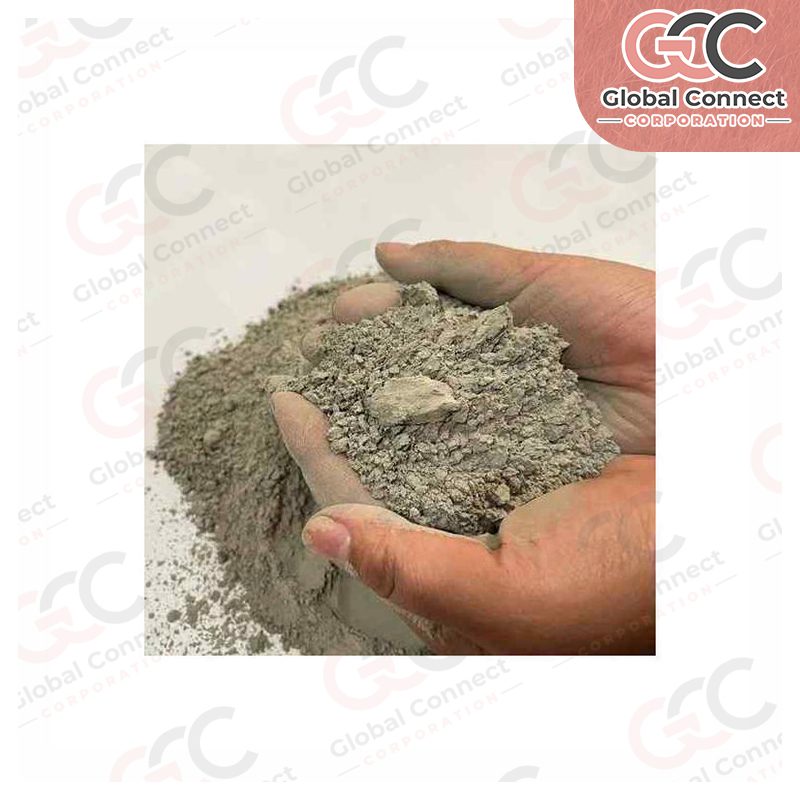
Our Ordinary Portland Cement (OPC) is engineered for a superior balance of early strength, long-term durability, and consistent performance across diverse construction environments. Produced with high-purity clinker and optimized for uniform particle size, it ensures reliable workability for a wide range of concrete and mortar mixes.
Trusted globally by major contractors and infrastructure projects, OPC is manufactured under strict quality controls and shipped in UV-protected, clearly labeled packaging.
Product Types: OPC grades 33, 43, and 53 suitable for general and engineered construction
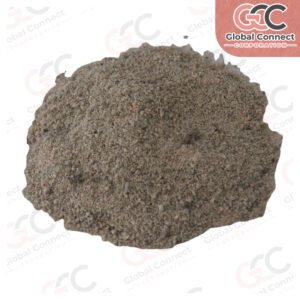
Material Options: High-purity clinker (95–97%) blended with gypsum (3–5%) and ISO/ASTM-grade mineral admixtures
Grades: OPC 33, OPC 43, OPC 53, meeting IS 269, ASTM C150 (Type I), EN 197-1 standards
Performance: High initial and final compressive strength; setting time minimum 30 min, maximum 600 min; low alkali content; optimized fineness
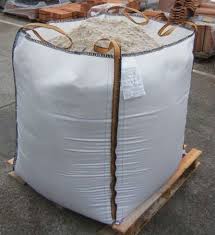
Packaging: 50 kg moisture-resistant PP/paper bags; jumbo bags and bulk loading for export and large projects
Certifications: IS 269, ASTM C150, EN 197-1, ISO 9001:2015
Applications: Foundations, precast, highways, bridges, irrigation, high-strength structural works
Special Features: High durability, fast setting, superior workability, stable shelf life
MOQ: 1,000–5,000 bags (flexible for export/bulk orders)
Lead Time: 1–3 weeks depending on volume and mill location
Frequently Asked Questions – OPC Cement
How do contractors decide between OPC 43 Grade and OPC 53 Grade?
The choice depends on the project’s structural requirements, early-strength needs, and construction schedule. Infrastructure projects, precast manufacturing, and high-rise construction often evaluate both grades based on engineering specifications.
Which projects create the highest demand for OPC Cement?
High-rise buildings, bridges, highways, industrial plants, ready-mix concrete production, precast factories, commercial developments, and government infrastructure projects continue to generate strong demand across Asia, the Gulf, Europe, and Africa.
Why do ready-mix producers pay attention to cement consistency?
Consistent cement performance helps maintain predictable concrete strength, batching efficiency, and quality control across thousands of cubic meters of production.
How do importers plan bulk OPC Cement shipments efficiently?
Procurement teams typically evaluate bagged versus bulk cement, vessel schedules, storage capacity, unloading infrastructure, and inventory planning before confirming large international orders.
Can OPC Cement be used for precast manufacturing?
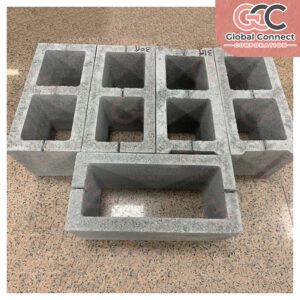
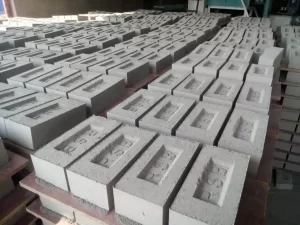
Yes. OPC Cement is widely used for precast blocks, pipes, panels, sleepers, and structural elements where reliable strength development supports efficient production cycles.
What should buyers verify before placing a bulk cement order?
Professional buyers typically review cement grade, manufacturing consistency, packaging quality, shelf-life planning, export documentation, and shipment reliability before approving procurement.
How do distributors maintain cement quality during storage?
Dry, well-ventilated warehouses, elevated pallet storage, moisture protection, and proper stock rotation help preserve cement performance before distribution.
Why is early-strength development important for large construction projects?
Faster strength gain can help accelerate formwork removal, improve project sequencing, and support tighter construction schedules without compromising structural performance.
What trends are increasing demand for OPC Cement?
Growth in affordable housing, transportation infrastructure, industrial expansion, renewable energy projects, and urban development continues to increase demand across Asia, the Gulf, Europe, and Africa.
How does GCC support cement importers and infrastructure buyers?
GCC supplies export-quality OPC Cement for ready-mix producers, infrastructure contractors, distributors, and government procurement teams with bulk supply capabilities, OEM packaging options, and dependable international delivery across Asia, the Gulf, Europe, and Africa.