Product Details
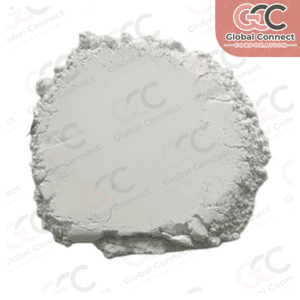
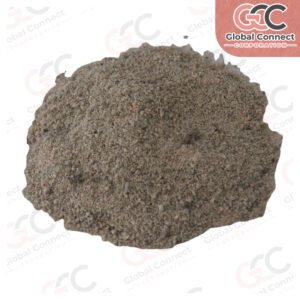
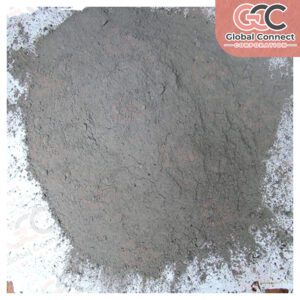
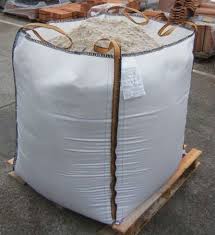
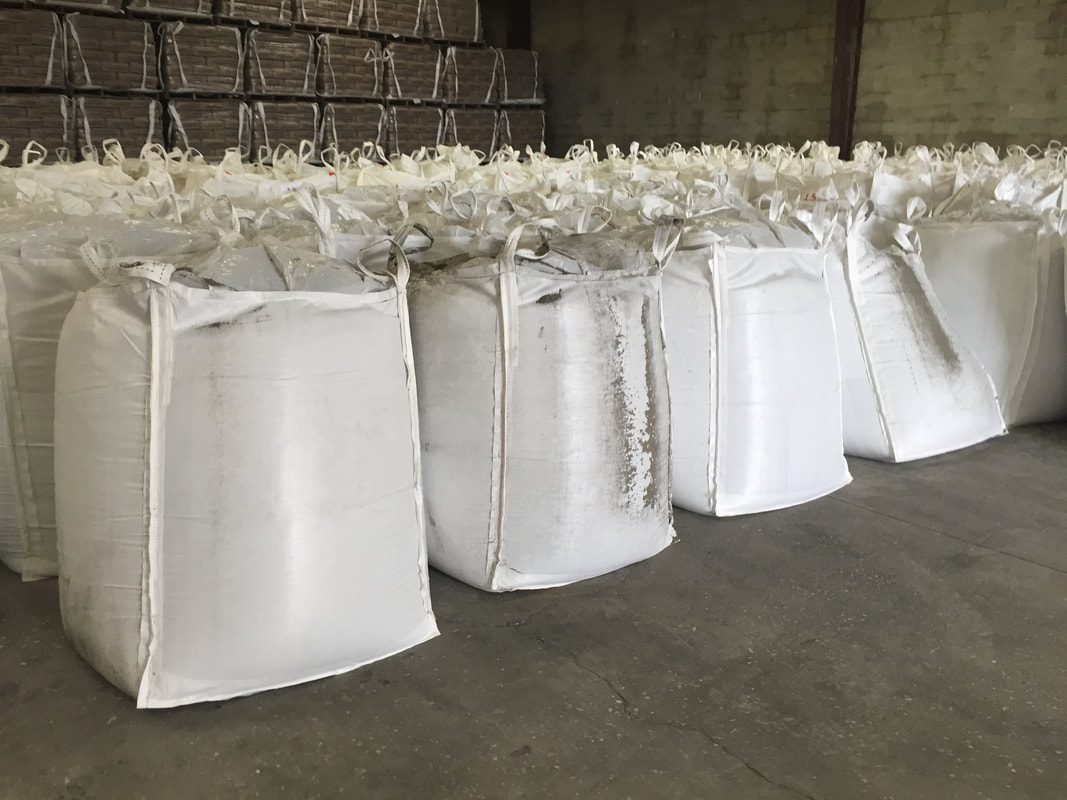
Our bulk and custom project cement solutions are tailored for large-scale construction demands, providing flexible packaging and delivery options including bulk tanker loads, jumbo bags, and loose palletized bags. Designed to meet the needs of civil contractors and infrastructure developers, these cements ensure consistent quality, controlled setting times, and strength optimized for batching plants. Strict quality control and documentation support project compliance and reliability.
Product Types: Bulk supply of OPC, PPC, and PSC grades for large infrastructure projects
Material Options: Commercial grades including OPC 43/53, PPC, PSC per project specifications
Packaging: Bulk tanker loads, jumbo bags, loose palletized bags, customized for project logistics
Compliance: IS 269, IS 1489, IS 455, ASTM standards
Performance: Consistent grade quality; optimized for batching plants; controlled setting and strength development
Certifications: ISO 9001 certified mills and national quality standards
Applications: Large housing, infrastructure, dams, highways, power plants, commercial batching
Special Features: Economies of scale, flexible delivery, on-site quality control protocols
MOQ: Minimum bulk orders typically 25,000 MT or more
Lead Time: 2–6 weeks based on order volume and delivery method
Frequently Asked Questions – Custom Cement
Can cement be manufactured under our own brand?
Yes. GCC offers OEM and private-label cement manufacturing, allowing importers, distributors, and construction brands to launch cement products with customized branding, packaging, and market-specific specifications.
What types of cement can be customized for different markets?
Buyers can request customized cement solutions based on project requirements, including Portland Cement, Blended Cement, and application-specific formulations for construction, infrastructure, masonry, and industrial use.
Can bag design and packaging be customized for retail and wholesale markets?
Yes. Packaging can be tailored with custom artwork, multilingual printing, bag sizes, and branding to meet distributor, retail, and government procurement requirements.
How do importers ensure consistent cement quality across repeat shipments?
Long-term buyers typically standardize technical specifications, packaging formats, production requirements, and quality parameters to maintain consistency across multiple production batches.
Which industries create the highest demand for custom cement?
Infrastructure projects, ready-mix concrete producers, government procurement programs, construction companies, retail building material chains, and cement distributors continue to drive demand across Asia, the Gulf, Europe, and Africa.
Can customized cement be supplied for government and infrastructure tenders?
Yes. Many bulk buyers require project-specific packaging, technical specifications, and documentation that align with public procurement and large infrastructure requirements.
What should buyers confirm before placing a private-label cement order?
Procurement teams typically finalize cement grade, bag design, packaging size, loading plans, documentation requirements, and production schedules before confirming bulk manufacturing.
Can customized cement be supplied in both bagged and bulk formats?
Yes. Depending on the project and logistics requirements, cement can be supplied in bagged packaging for distribution networks or bulk shipments for ready-mix plants and large construction projects.
What trends are increasing demand for private-label cement?
Growing infrastructure investment, regional brand development, ready-mix expansion, affordable housing programs, and distributor-owned building material brands continue to increase demand across Asia, the Gulf, Europe, and Africa.
How does GCC support long-term private-label cement programs?
GCC works with importers, distributors, and project buyers to develop customized cement solutions with OEM manufacturing, tailored packaging, export-ready logistics, and dependable bulk supply designed for recurring commercial contracts across Asia, the Gulf, Europe, and Africa.