Product Details
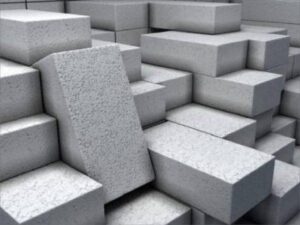
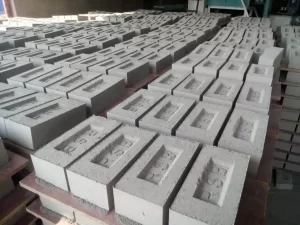
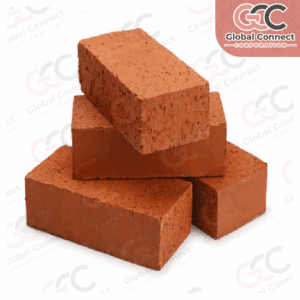
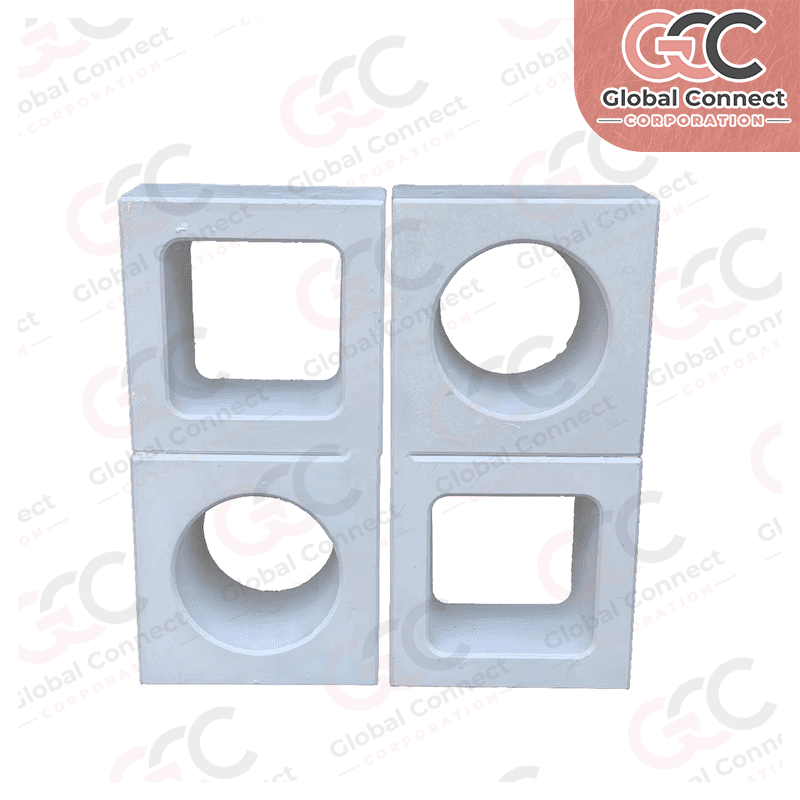
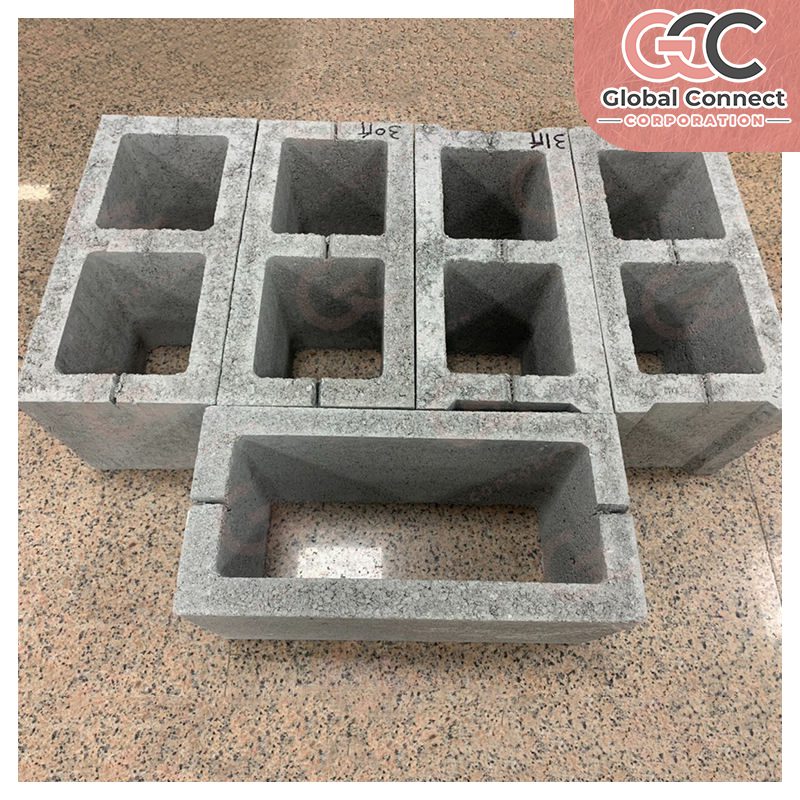
Concrete blocks, available in solid and hollow types, deliver strong and durable masonry solutions for structural and non-structural applications. Manufactured with Portland cement, stone dust, and sand under precise processes, these blocks offer high compressive strength, moisture and termite resistance, and dimensional consistency.
Their uniform size and sharp edges simplify installation and reduce mortar use, making them suitable for residential, commercial, and industrial construction projects globally.
Product Types: High-density solid and hollow concrete masonry blocks
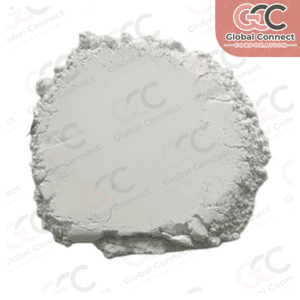
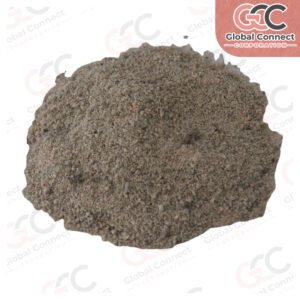
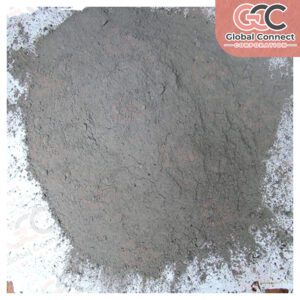
Material Options: Ordinary Portland cement-based concrete with graded aggregates and strength-enhancing additives
Sizes: Standard 400x200x200 mm; custom sizes available
Performance: Compressive strength 50–100 kg/cm²; moisture and termite resistant; dimensional tolerance ±3 mm
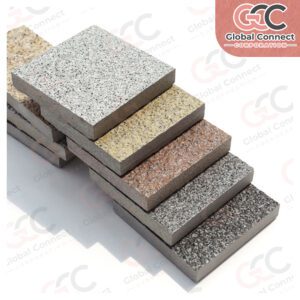
Finish Options: Smooth and rough textured surfaces; sharp edges for precise masonry
Certifications: IS 2185 (Part 1 & 2), ASTM C90
Applications: Load-bearing walls, partitions, sound insulation, fire-resistant masonry
Special Features: High strength; cost-effective; fast laying with offset punching
Packaging: Palletized, shrink-wrapped for export protection
MOQ: One container load, size-dependent
Lead Time: 2–4 weeks
Frequently Asked Questions – Concrete Blocks
How do contractors choose between solid and hollow concrete blocks for a project?
The choice depends on structural requirements, wall type, load-bearing needs, and construction speed. Hollow blocks are often selected for faster wall construction and reduced structural weight, while solid blocks are commonly used where higher compressive strength is required.
Why are concrete blocks preferred for large housing and commercial developments?
Their uniform dimensions help contractors build walls faster, reduce joint adjustments, and maintain consistent construction quality across multi-unit projects.
How do developers reduce mortar consumption when using concrete blocks?
Precision-manufactured blocks with consistent dimensions help maintain uniform joint thickness, improving material efficiency during large-scale masonry work.
Which block sizes help speed up wall construction?
Larger block formats allow masons to cover more wall area with fewer units, helping improve labor productivity on residential, commercial, and industrial projects.
Which industries generate the strongest demand for concrete blocks?
Residential developments, commercial buildings, warehouses, boundary walls, schools, hospitals, infrastructure projects, and government construction continue to drive demand across Asia, the Gulf, Europe, and Africa.
Can concrete blocks improve thermal and acoustic performance?
Yes. Properly selected block systems can contribute to improved thermal insulation and sound reduction, making them suitable for residential, institutional, and commercial buildings.
What should importers and project buyers verify before placing bulk block orders?
Procurement teams typically review block dimensions, compressive strength, weight consistency, pallet packing, and loading efficiency before confirming large shipments.
How do contractors plan deliveries for high-volume block projects?
Many construction teams schedule phased deliveries based on masonry progress, storage capacity, and site logistics to maintain uninterrupted wall construction.
What trends are increasing demand for concrete blocks?
Rapid urban development, affordable housing, industrial parks, prefabricated construction, and sustainable masonry systems continue to increase demand across Asia, the Gulf, Europe, and Africa.
How does GCC support developers and contractors with concrete block supply?
GCC supplies export-quality concrete blocks with consistent dimensions, project-specific specifications, OEM manufacturing support, and dependable bulk supply for residential, commercial, and infrastructure projects across Asia, the Gulf, Europe, and Africa.