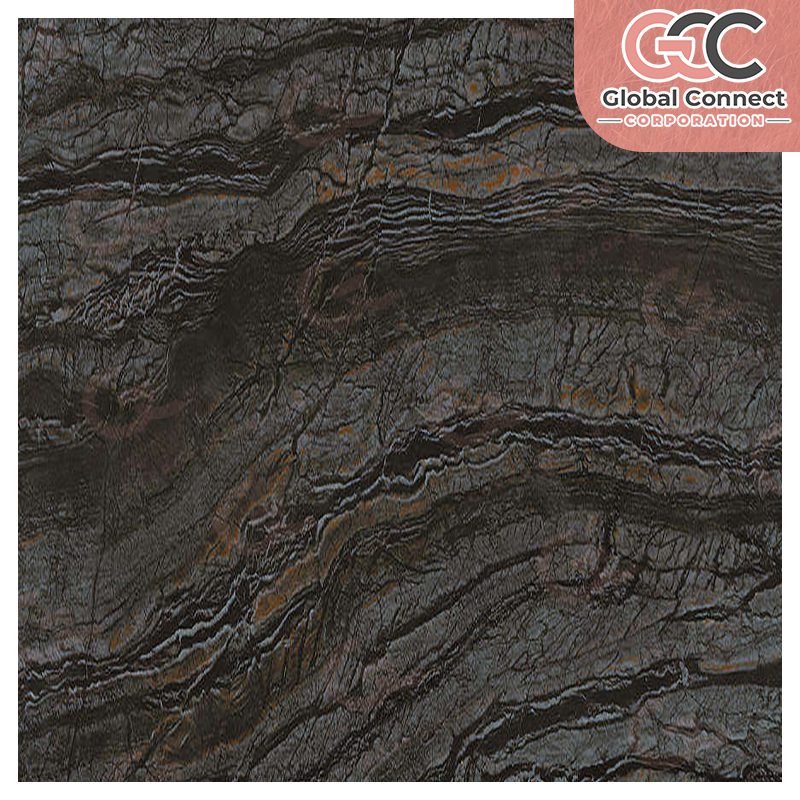
Product Details
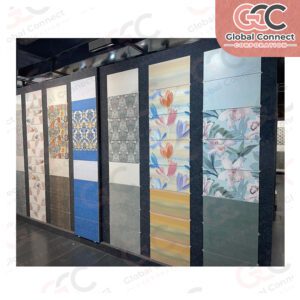
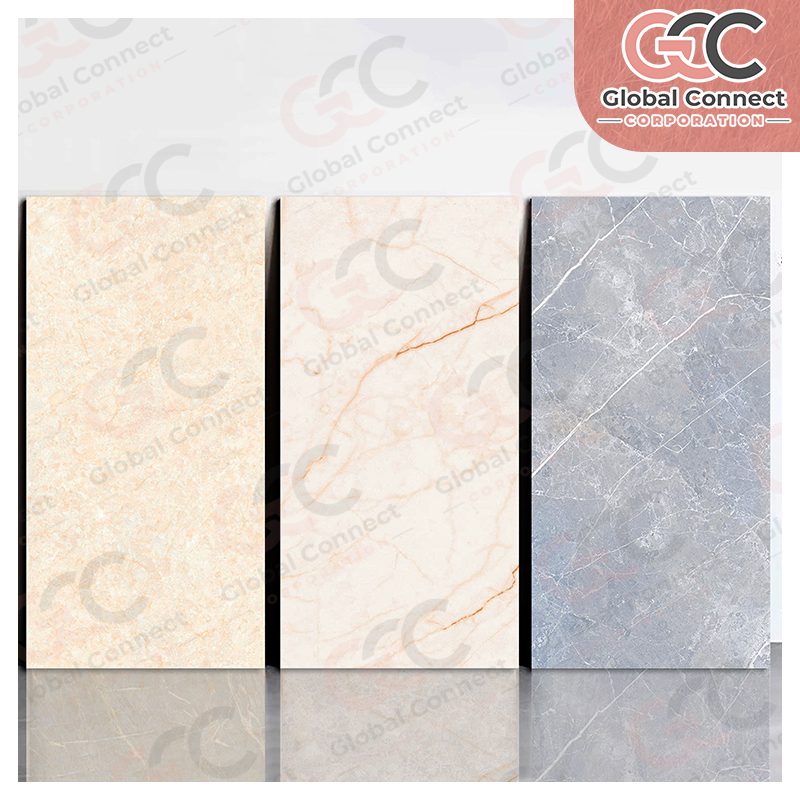
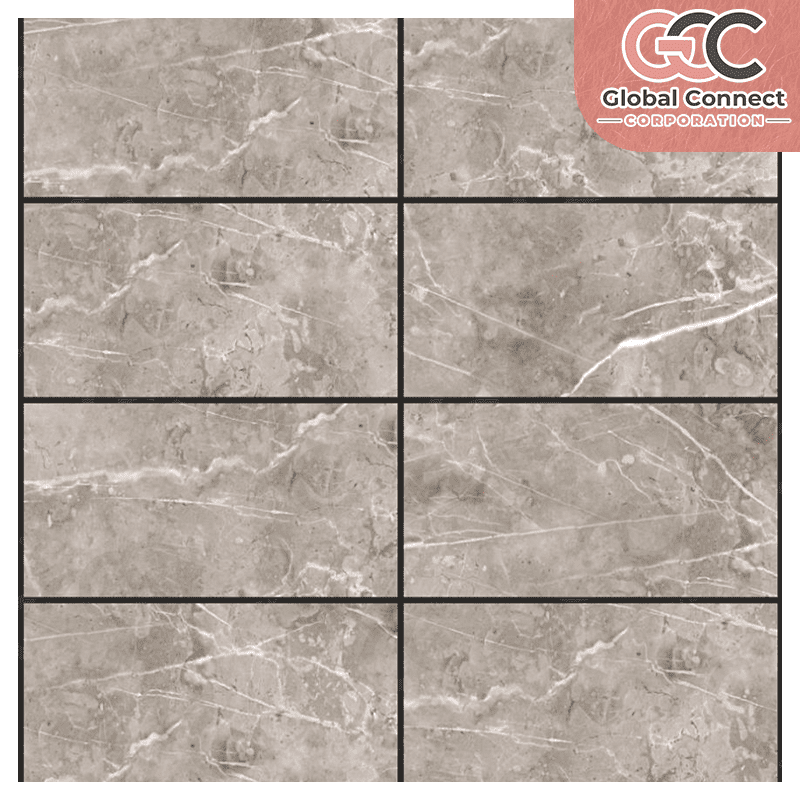
Our ceramic wall tiles offer a blend of beauty, durability, and easy installation, perfect for modern interior spaces such as kitchens and bathrooms. Manufactured with advanced kiln and glazing technologies, these tiles maintain vibrant colors, resist stains, and protect against moisture.
The use of digital inkjet technology enables extensive design customization, from marble effects to 3D patterns. With precise sizing and certified quality, these tiles deliver seamless installation and secure global shipments.
Product Types: Premium glazed ceramic wall tiles for kitchens, bathrooms, and interior walls
Material Options: Refined ceramic clay with proprietary glaze blends for vibrant, durable surfaces
Sizes: 300×300 mm, 300×600 mm, 600×600 mm; custom sizes available
Performance Specs: Water absorption 5–10%; tensile and flexural strength optimized for wall applications
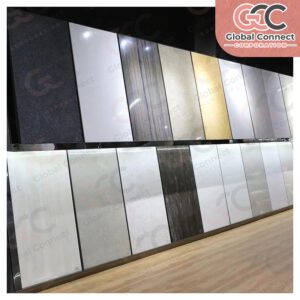
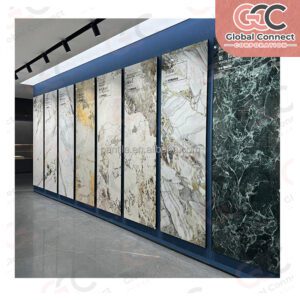
Finish Options: Glossy, matte, textured, digital print, decorative patterns
Color Range: Wide selection including solid colors, marble, floral, geometric, and custom digital artwork
Certifications: ISO 13006, EN 14411, IS 15622
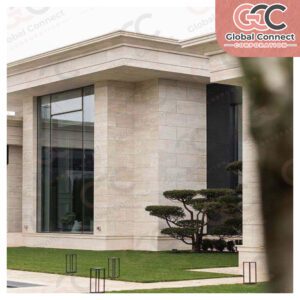
Applications: Residential and commercial wall cladding, kitchen backsplashes, bathrooms, decorative features
Special Features: Colorfast, stain-resistant, easy to clean, eco-friendly manufacturing, lightweight for handling
Packaging: Carton boxed, shrink-wrapped, palletized with edge protectors for export
MOQ: 1 container load (~1,200–1,500 sqm depending on size)
Lead Time: 2–4 weeks
Frequently Asked Questions – Ceramic Tiles
Which ceramic tile collections sell fastest in retail showrooms?
Neutral colours, marble-inspired designs, wood-look finishes, and contemporary matte collections consistently perform well because they appeal to both homeowners and contractors across multiple project types.
How do distributors balance wall and floor tile inventory?
Many distributors stock complementary wall and floor collections that work together, allowing dealers to offer complete bathroom and kitchen solutions while improving inventory turnover.
Why are ceramic tiles popular for residential developments?
They offer an excellent balance of appearance, durability, and cost-efficiency, making them a preferred choice for apartments, villas, housing projects, and everyday interior applications.
How do project buyers select ceramic tiles for high-volume housing projects?
Procurement teams usually prioritize consistent shade matching, reliable repeat production, practical tile sizes, and collections that simplify large-scale installation across multiple units.
Which industries generate the strongest demand for ceramic tiles?
Residential construction, hospitality projects, retail developments, educational facilities, healthcare buildings, and commercial interiors continue to drive demand across Asia, the Gulf, Europe, and Africa.
Can ceramic tile collections be customized for distributors?
Yes. OEM and private-label manufacturing allow importers and retail brands to create exclusive ceramic tile collections with customized designs, packaging, and branding.
What should importers verify before placing bulk ceramic tile orders?
Professional buyers typically review shade consistency, caliber accuracy, surface finish, packaging quality, and container loading plans before confirming export shipments.
How do retailers improve repeat sales with ceramic tile collections?
Many retailers group coordinated wall and floor designs into complete room collections, making purchasing decisions easier for homeowners and contractors.
What trends are increasing demand for ceramic tiles?
Contemporary matte finishes, marble-inspired collections, minimalist interiors, easy-maintenance surfaces, and coordinated room concepts continue to increase demand across Asia, the Gulf, Europe, and Africa.
How does GCC support ceramic tile distributors and project buyers?
GCC supplies export-quality ceramic tile collections with OEM manufacturing, private-label solutions, customized packaging, and dependable bulk supply designed for distributors, retail chains, and residential developers across Asia, the Gulf, Europe, and Africa.