Product Details
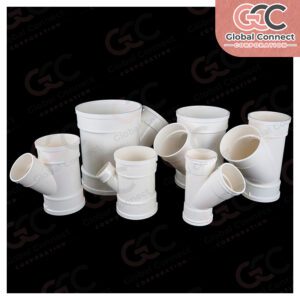
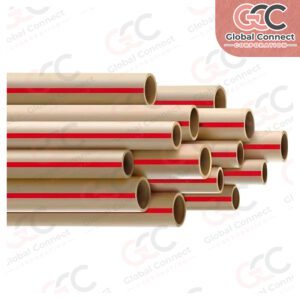
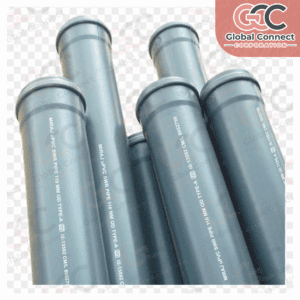
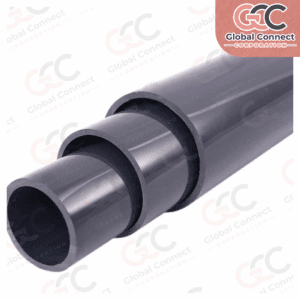
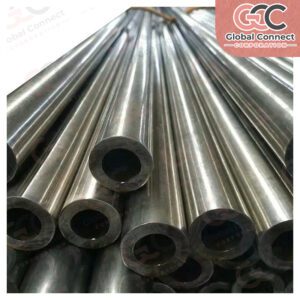
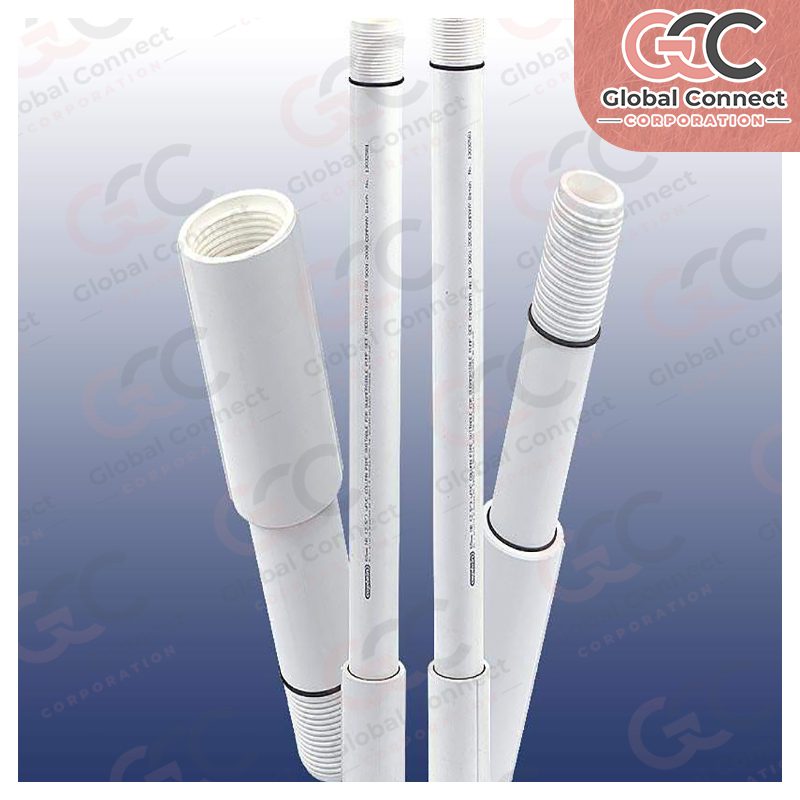
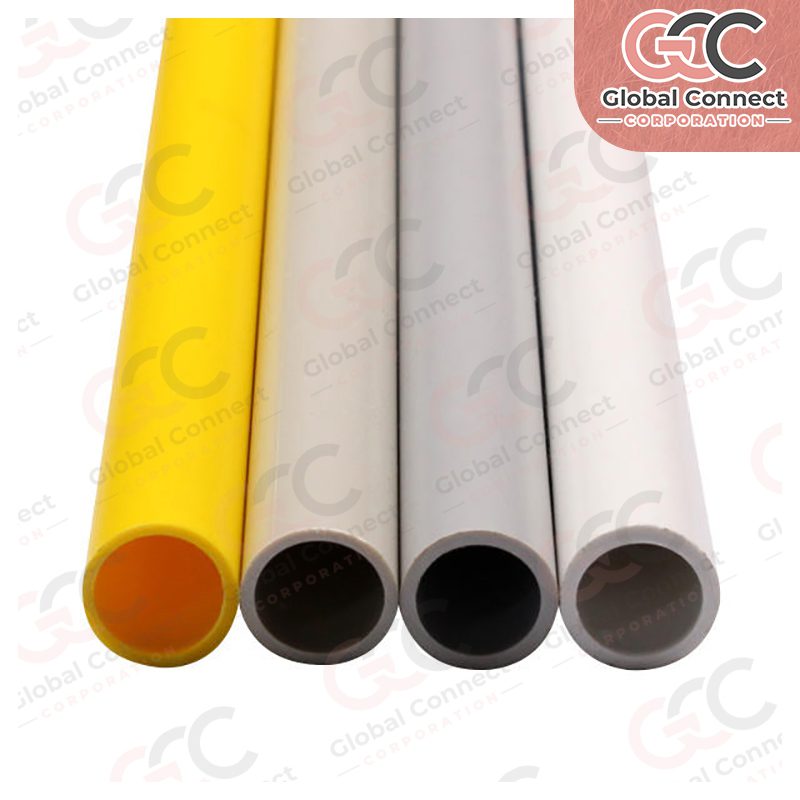
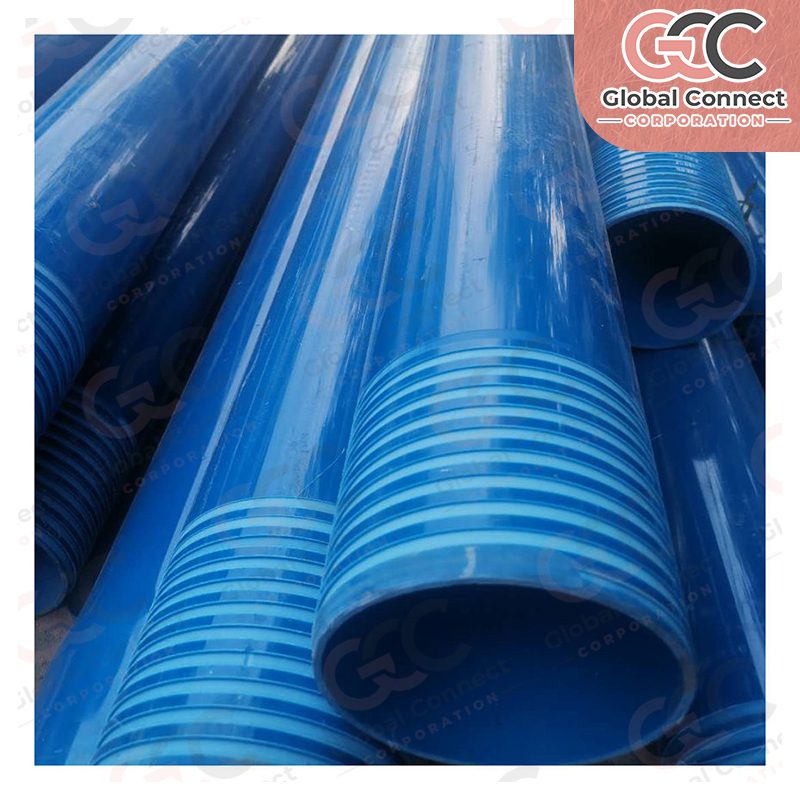
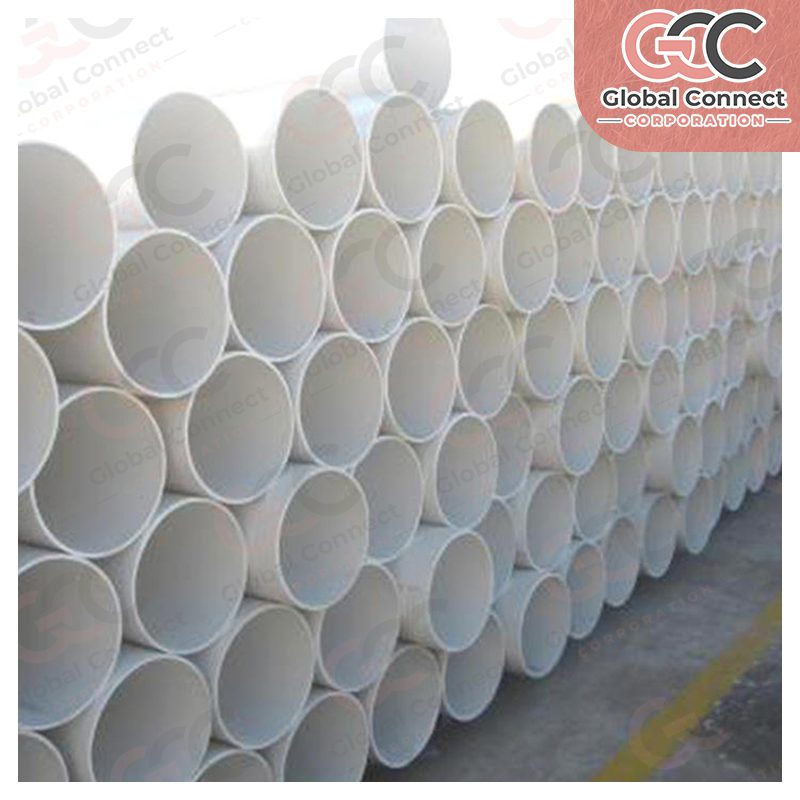
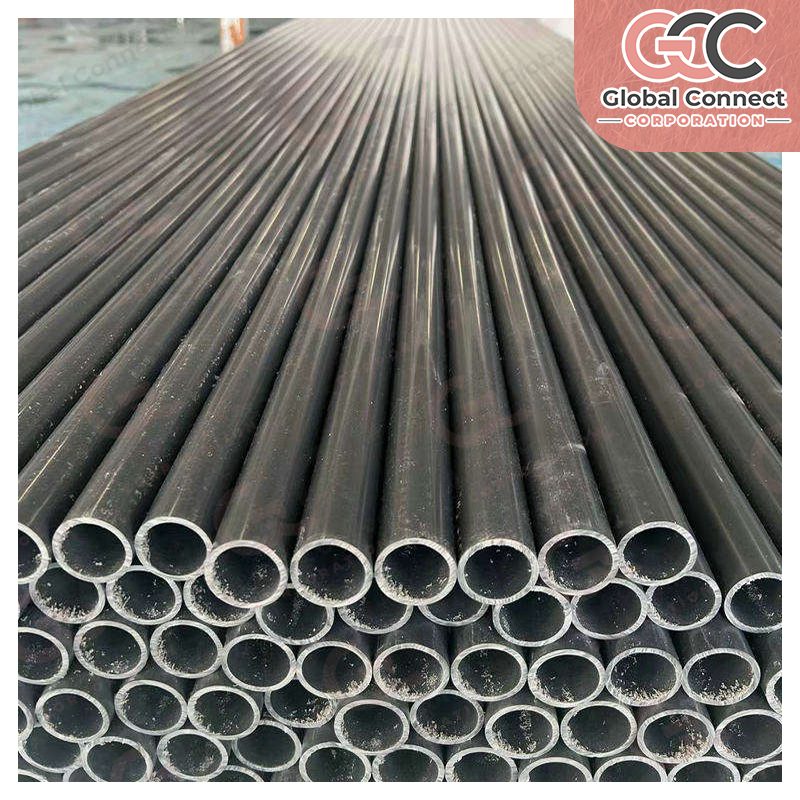
Our heavy-duty casing and column pipes are designed for borewell, irrigation, and industrial applications, providing durable protection for submersible pumps and water flow management. Made from high-strength uPVC compounds, these pipes withstand harsh underground conditions, including chemical exposure and abrasion. Manufactured in compliance with international standards, they offer long service life, ease of installation, and compatibility with diverse pumping systems.
Product Types: Heavy-duty PVC casing and column pipes for borewell and irrigation
Material Options: High-strength uPVC compounds formulated for pressure resistance and durability
Sizes: Diameter range 50–250 mm; thickness designed to withstand high internal and external pressures
Performance Specs: High tensile strength; excellent impact, chemical resistance; UV stabilized for outdoor use
Finish Options: Plain or ribbed exterior for grip and strength; smooth interior for fluid flow
Certifications: IS 12818, ISO 4422, ISO 9001:2015
Applications: Borewell casing, submersible pump protection, irrigation systems, underground conduit
Special Features: Corrosion and abrasion resistant; lightweight; long-lasting under harsh conditions; easy installation
Packaging: Bundled, strapped, palletized for safe bulk export and transport
MOQ: 1 MT per size
Lead Time: 2–4 weeks depending on size and volume
Frequently Asked Questions – Casing Pipes
How do drilling contractors decide between plain and slotted casing pipes?
Plain casing pipes are commonly used where the bore needs structural support, while slotted casing pipes are selected in water-bearing zones where groundwater needs to enter the well while helping control sand ingress.
How does soil type influence casing pipe selection?
Loose sand, gravel, clay, and rocky formations place different demands on a borewell. Contractors usually select pipe specifications based on formation stability, expected groundwater conditions, and drilling depth.
Which casing pipe sizes are most commonly used for agricultural and municipal borewells?
The appropriate diameter depends on pump size, bore design, water demand, and project specifications rather than a single standard size.
How do EPC contractors maintain well performance over the long term?
Proper casing selection, accurate installation, appropriate screen placement, and protecting the bore during construction all contribute to maintaining long-term groundwater performance.
Which industries create the strongest demand for casing pipes?
Water infrastructure projects, agricultural irrigation, municipal water supply, mining operations, industrial water systems, and groundwater development continue to generate strong demand across Asia, the Gulf, Europe, and Africa.
What should buyers verify before importing casing pipes in bulk?
Procurement teams typically review wall thickness, diameter tolerance, joint quality, pressure requirements where applicable, packaging protection, and shipment consistency before approving export orders.
Can casing pipes be used for both new borewell construction and well rehabilitation?
Yes. Depending on the project, casing pipes are used for new installations as well as strengthening or rehabilitating existing wells to improve structural stability.
How do contractors reduce sand entry into production wells?
Correct placement of slotted sections, suitable gravel packing where required, and selecting the appropriate screen configuration help improve well performance and reduce sand-related issues.
What trends are increasing demand for casing pipes?
Expansion in agricultural irrigation, groundwater development, municipal water infrastructure, industrial water projects, and sustainable water management continues to increase demand across Asia, the Gulf, Europe, and Africa.
How does GCC support large water infrastructure and drilling projects?
GCC supplies export-quality casing pipes with customized specifications, bulk supply capabilities, OEM manufacturing support, and dependable delivery for borewell contractors, distributors, and infrastructure projects across Asia, the Gulf, Europe, and Africa.