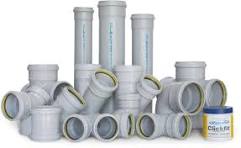
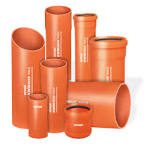
Product Details
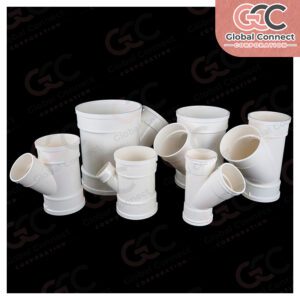
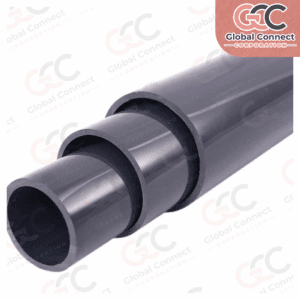
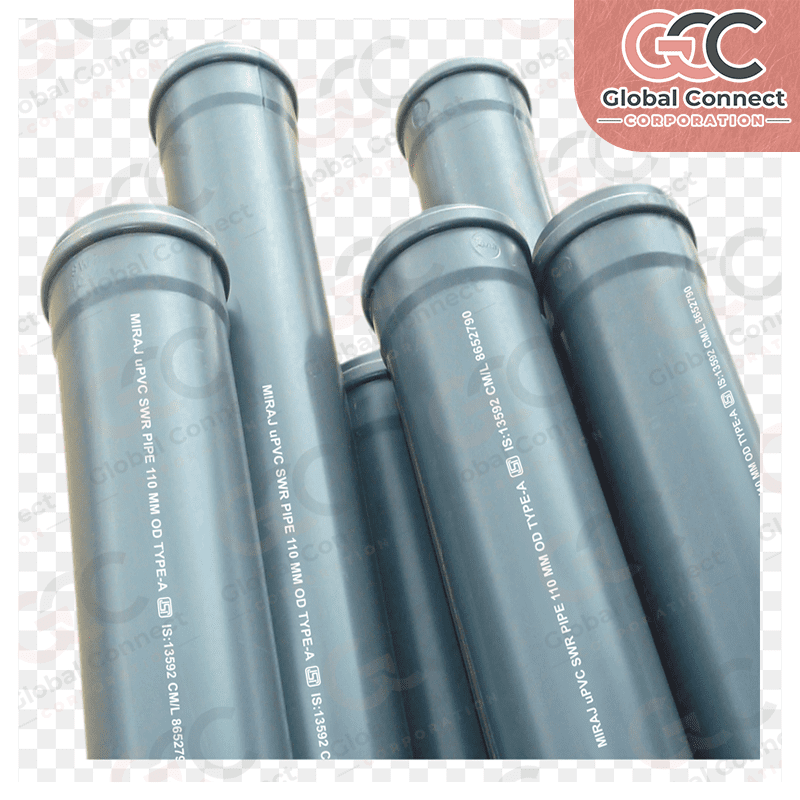
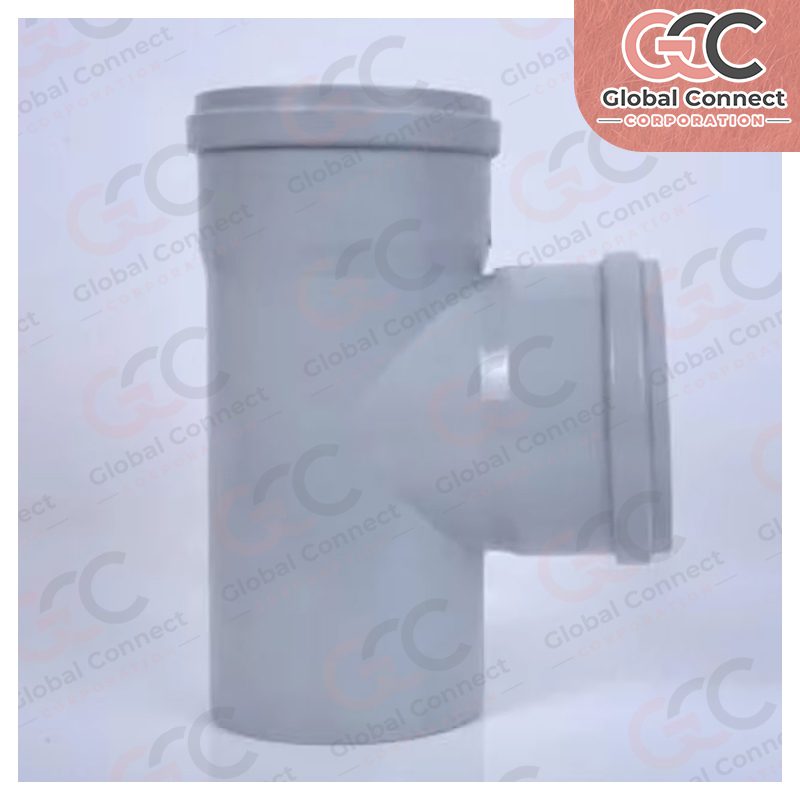
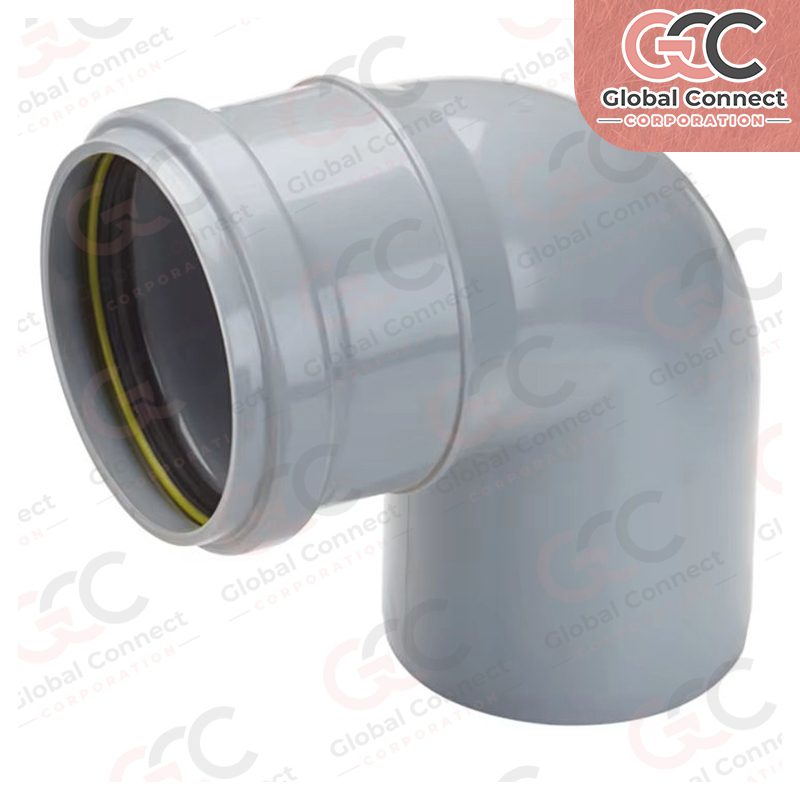
Our SWR (Soil, Waste, and Rainwater) pipes and fittings are engineered to provide durable, leak-proof plumbing and drainage solutions for residential and commercial sanitation systems. Made from rigid uPVC compounds with chemical stabilizers, they resist harsh sewer gases, acids, and alkalis, ensuring long-lasting performance. Available in multiple sizes and jointing options, these products comply with international safety and quality standards, supporting efficient and reliable drainage installations.
Product Types: SWR uPVC pipes and fittings for drainage and plumbing
Material Options: Rigid uPVC with stabilizers for chemical resistance and durability
Sizes: Diameter 40–160 mm; wall thickness as per IS 13592 and ISO 4437 standards
Performance Specs: High chemical resistance; smooth inner surface for flow; flame retardant; shock resistant
Finish Options: Plain ends; socketed with rubber ring joint; solvent cement fittings available
Certifications: IS 13592, ISO 4437, ISO 9001:2015
Applications: Household/commercial drainage, rainwater discharge, sewer lines, vent pipes
Special Features: Leak-proof rubber gasket joints; lightweight; corrosion and insect resistant; easy installation
Packaging: Pipes bundled in standard lengths; fittings boxed and palletized
MOQ: 500 kg per size and fitting type
Lead Time: 1–3 weeks depending on volume and specifications
Frequently Asked Questions – SWR Pipes
How do builders decide between Type A and Type B SWR Pipes?
The selection usually depends on the building type, drainage load, and project specifications. Residential buildings, commercial complexes, and high-rise developments may require different SWR pipe configurations.
Why do MEP contractors prefer SWR systems for multi-storey buildings?
SWR systems help create organized vertical and horizontal drainage networks, making them suitable for bathrooms, kitchens, balconies, and rainwater disposal in modern buildings.
How do plumbing contractors reduce leakage at pipe joints?
Proper socket alignment, correctly fitted rubber ring joints where applicable, and following recommended installation practices help create reliable drainage connections.
Which projects generate the highest demand for SWR Pipes?
Residential apartments, villas, commercial buildings, hospitals, schools, hotels, industrial facilities, and infrastructure developments continue to drive demand across Asia, the Gulf, Europe, and Africa.
Can SWR Pipes be used for both soil and rainwater drainage?
Yes. SWR systems are designed to handle soil discharge, wastewater, and rainwater drainage, allowing builders to develop integrated drainage solutions within the same project.
What should distributors verify before importing SWR Pipes in bulk?
Professional buyers typically review pipe dimensions, wall thickness, joint compatibility, fitting availability, packaging quality, and production consistency before confirming export orders.
How do developers simplify maintenance in large drainage systems?
Using compatible fittings, inspection access points, and standardized pipe specifications helps make future maintenance and system expansion more efficient.
Are SWR Pipes suitable for concealed plumbing installations?
Yes. They are widely used for concealed vertical stacks, service shafts, and internal drainage systems where reliable long-term performance is important.
What trends are increasing demand for SWR Pipes?
Growth in urban housing, high-rise construction, smart city projects, prefabricated plumbing systems, and commercial infrastructure continues to increase demand across Asia, the Gulf, Europe, and Africa.
How does GCC support large residential and commercial plumbing projects?
GCC supplies export-quality SWR Pipes with complete fitting compatibility, OEM and private-label manufacturing, customized specifications, and dependable bulk supply for distributors, developers, and MEP contractors across Asia, the Gulf, Europe, and Africa.