Product Details
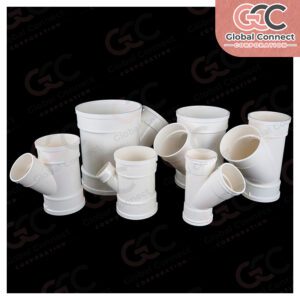
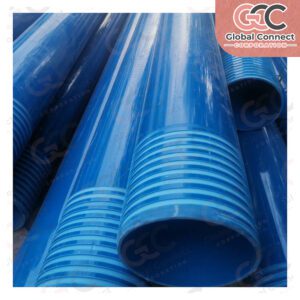
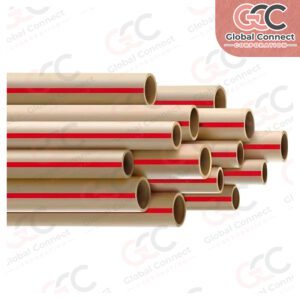
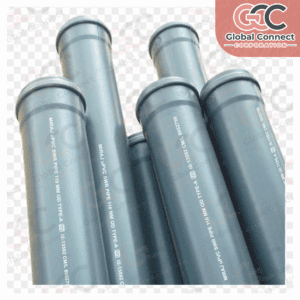
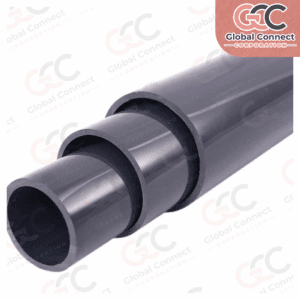
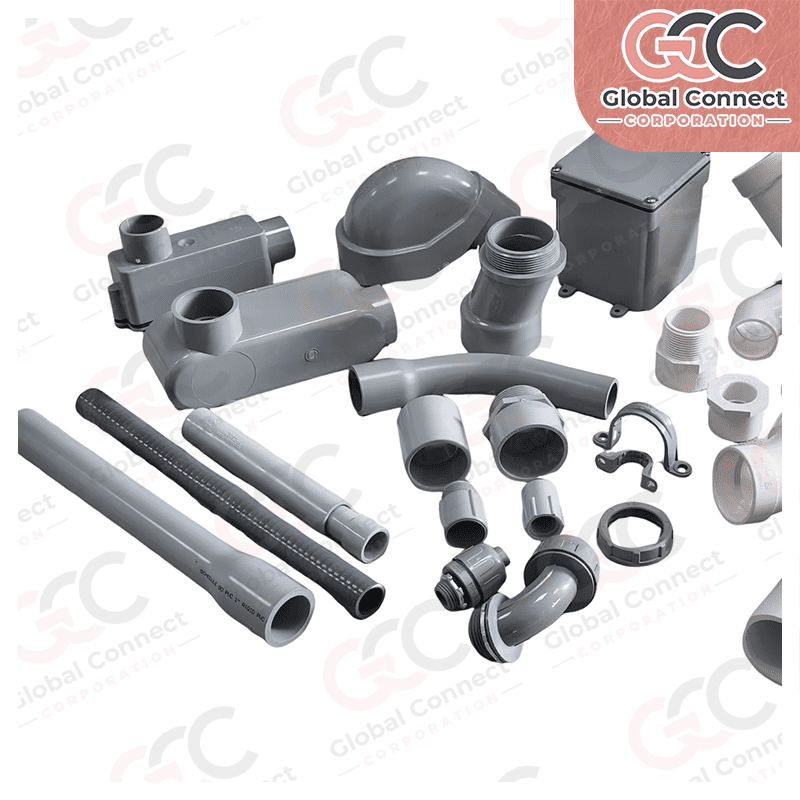
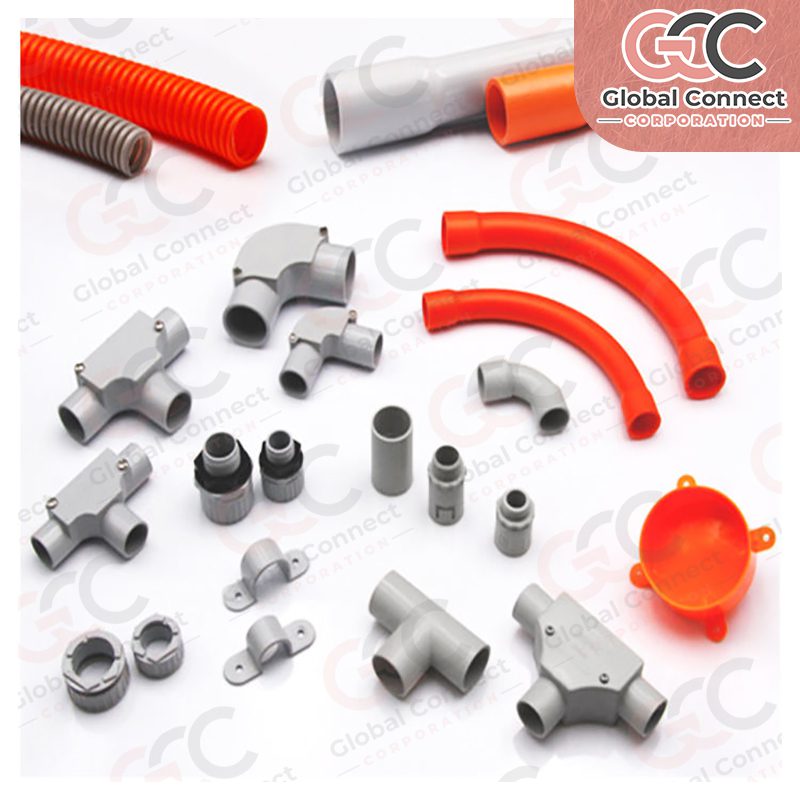
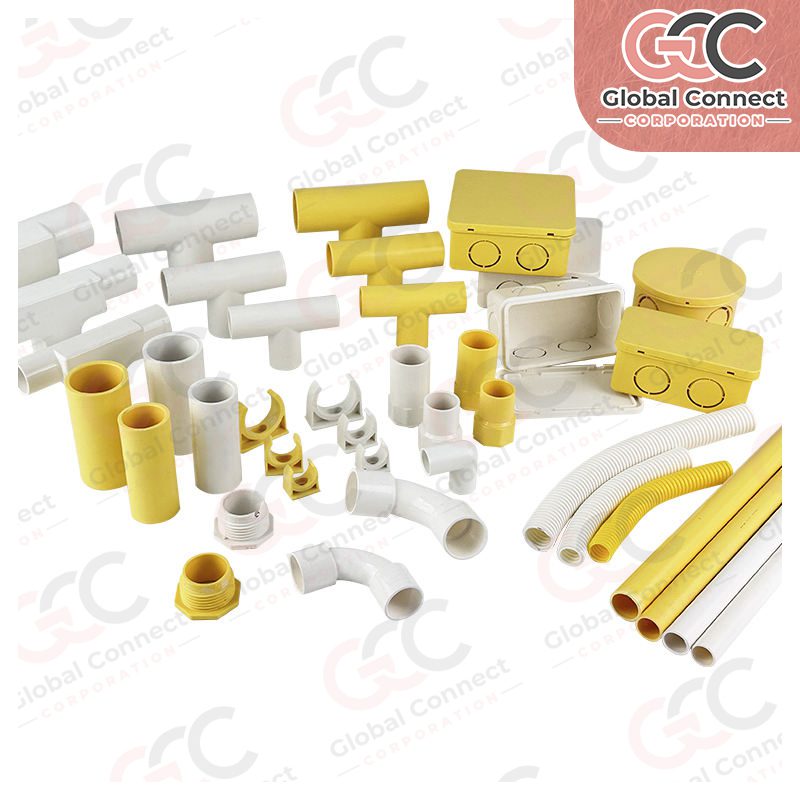
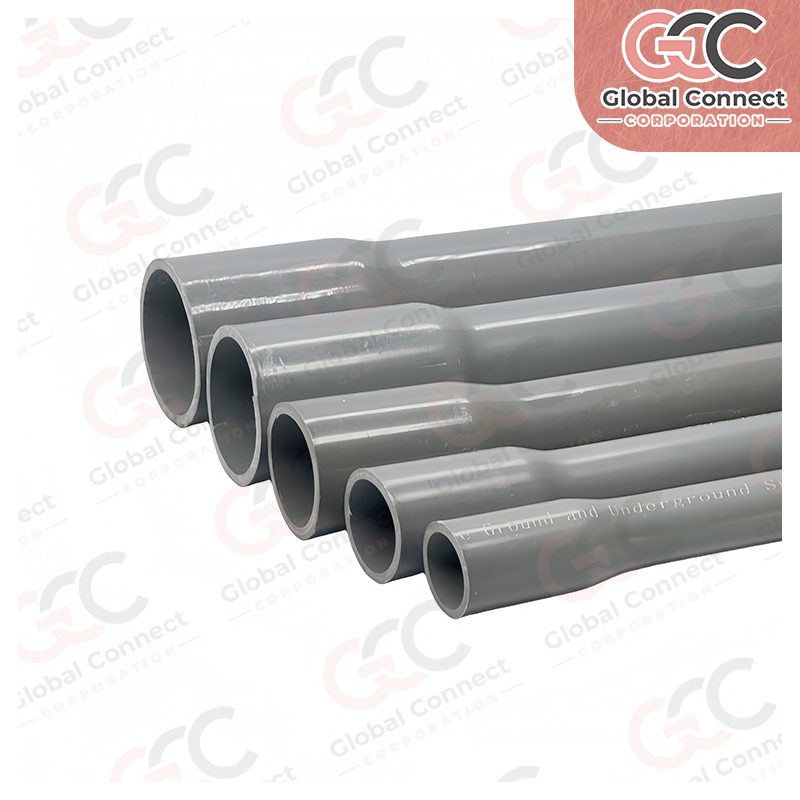
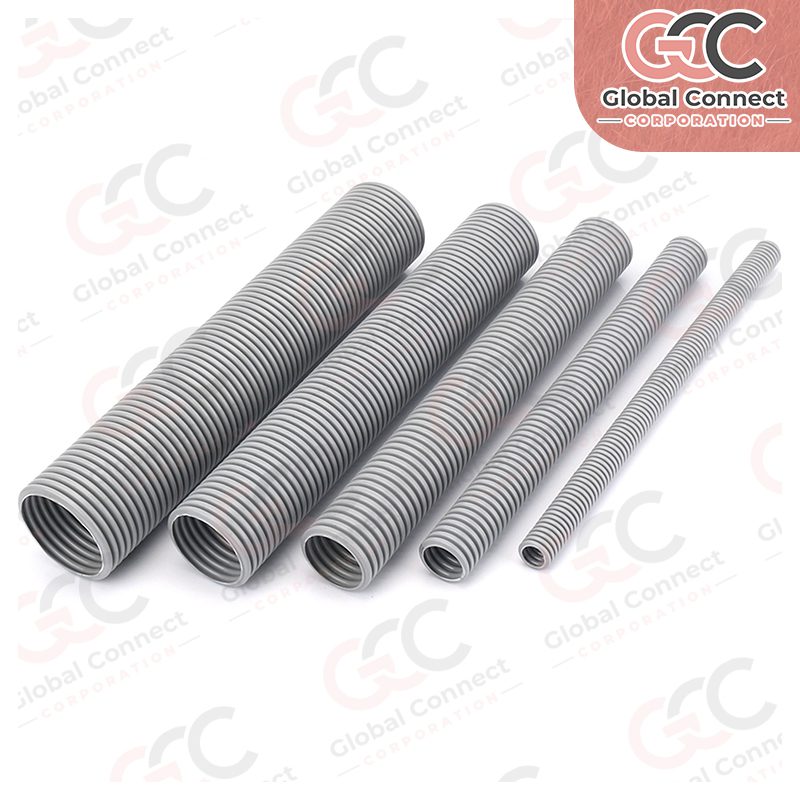
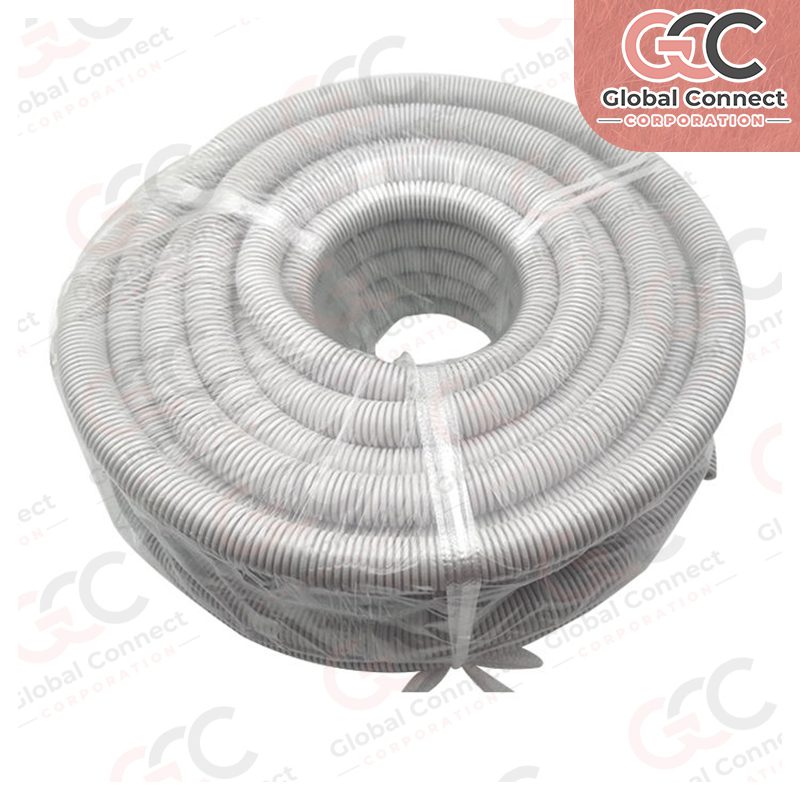
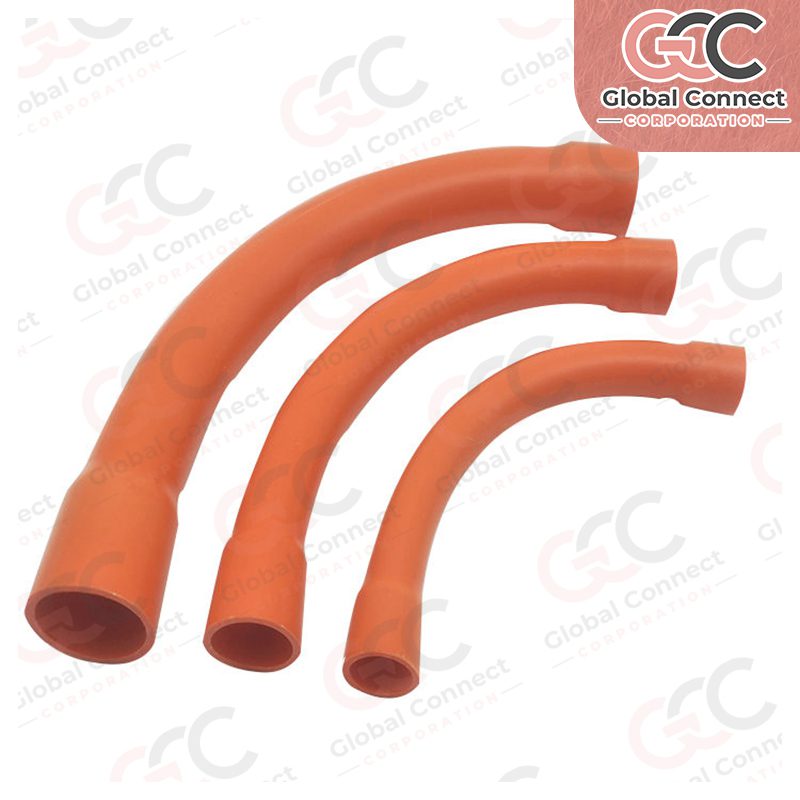
Our PVC electrical conduits provide safe, durable protection for electrical wiring and telecommunications cables in residential, commercial, and industrial settings. Manufactured to international standards, these conduits offer excellent flame retardancy, electrical insulation, and weather resistance. Available in rigid and flexible forms with smooth or ribbed exteriors, they facilitate easy installation and reliable cable management across diverse applications.
Product Types: PVC electrical conduits – rigid, flexible, heavy-duty
Material Options: High-quality rigid and flexible PVC for electrical wiring protection
Sizes: Diameter 16–110 mm; standard lengths 2 m and 3 m; custom cuts available
Performance Specs: Flame retardant; electrical insulation; corrosion and impact resistant; weatherproof
Finish Options: Smooth or ribbed exterior surfaces for easy handling
Certifications: IS 9537, IEC 61386, ISO 9001:2015
Applications: Electrical wiring protection, telecom cable shielding in residential, commercial, industrial buildings
Special Features: Lightweight, UV and chemical resistant; flexible and rigid options
Packaging: Bundled and strapped shipments; fittings boxed or carton packed
MOQ: 500 kg per size/type
Lead Time: 1–3 weeks depending on order specifics
Frequently Asked Questions – Electrical Conduits
How do MEP contractors choose the right conduit size for commercial wiring?
The conduit size is typically selected based on cable capacity, future expansion requirements, bend radius, and installation method to ensure safe cable routing without overcrowding.
When should concealed conduit systems be preferred over exposed installations?
Concealed conduits are commonly used in residential and commercial buildings for a cleaner finish, while exposed conduit systems are often selected for factories, warehouses, and utility installations where maintenance access is important.
How do electricians reduce cable pulling resistance during installation?
Proper conduit routing, minimizing unnecessary bends, using appropriate junction boxes, and selecting smooth internal conduit surfaces help improve cable pulling efficiency on large projects.
Which projects generate the highest demand for electrical conduits?
Residential developments, commercial buildings, industrial facilities, hospitals, schools, airports, data centers, and infrastructure projects continue to drive demand across Asia, the Gulf, Europe, and Africa.
Why is bend performance important during conduit installation?
Conduits that maintain their shape during bending help electricians achieve cleaner routing, protect cables, and reduce installation time without compromising system reliability.
Can electrical conduits support future cable upgrades?
Yes. Many project consultants plan conduit layouts with spare capacity, allowing future electrical, communication, or data cables to be added without major structural modifications.
What should importers verify before purchasing electrical conduits in bulk?
Professional buyers typically review conduit dimensions, wall thickness consistency, mechanical strength, packaging quality, and compliance with project specifications before approving export shipments.
How do contractors improve installation speed on large electrical projects?
Standardized conduit sizes, organized routing plans, compatible fittings, and efficient site coordination help reduce installation time across multi-building developments.
What trends are increasing demand for electrical conduits?
Growth in smart buildings, renewable energy installations, data centers, industrial automation, and large-scale infrastructure development continues to increase demand across Asia, the Gulf, Europe, and Africa.
How does GCC support electrical contractors and distributors with conduit supply?
GCC supplies export-quality electrical conduits with OEM manufacturing, customized specifications, project-ready packaging, and dependable bulk supply designed for MEP contractors, distributors, developers, and infrastructure projects across Asia, the Gulf, Europe, and Africa.