Product Details
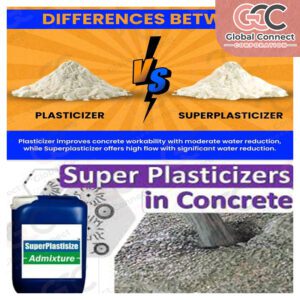
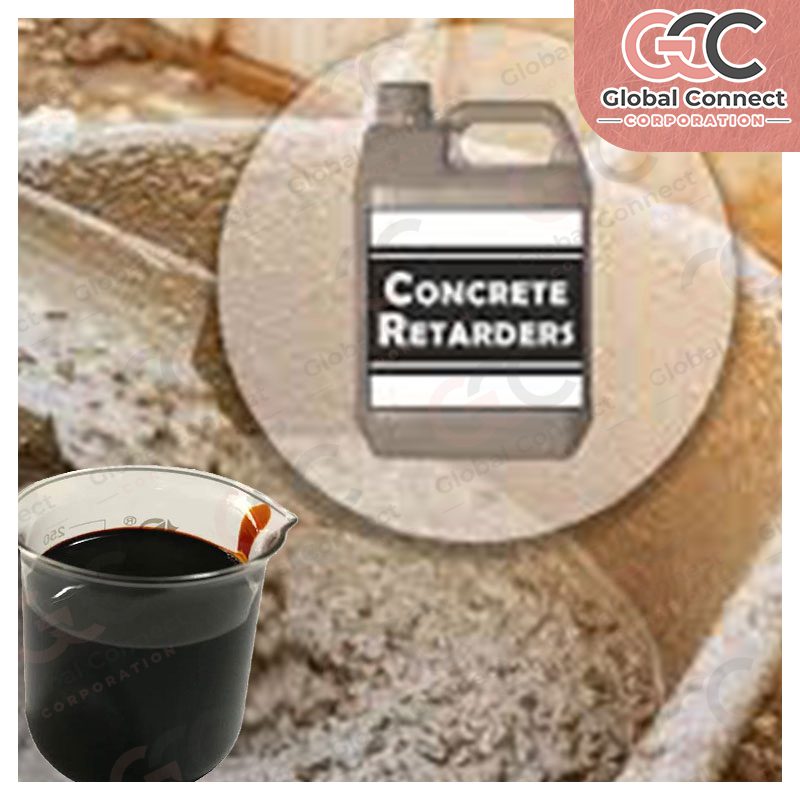
Our water reducers and set retarders deliver enhanced workability and consistent performance across concrete applications. By decreasing water demand, they enable denser concrete with improved strength and placement ease. Retarders provide controlled setting times, critical for hot weather, large pours, or complex construction schedules, ensuring durable, high-quality concrete with optimal finish and minimal rework
Product Types: Conventional water reducing plasticizers, high-efficiency water reducers, set retarders for concrete
Materials: Lignosulfonates, polycarboxylate ether blends, synthetic resins, specialty retarders in liquid or powder form
Performance: 5–15% water reduction without strength loss; retarders extend setting times for hot weather or large pours
Compatibility: Effective with OPC, PPC, blended, composite cements; compatible with other admixtures
Special Features: Improved workability, cold joint prevention, enhanced surface finish, reduces thermal cracking risk
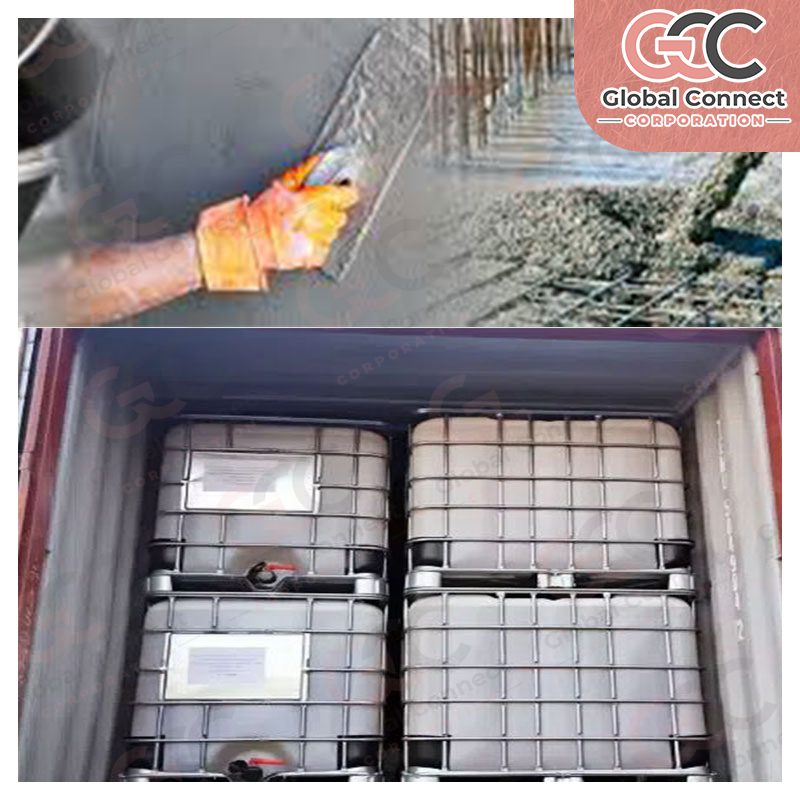
Packaging: Liquid: 5L, 20L, 200L drums; 1000L IBCs; Powder: 5kg, 25kg bags
Certifications: IS 9103, ASTM C494 (Types A, D), EN 934-2, ISO 9001
Applications: Ready-mix plants, precast, mass concreting, slip-forming, pavements, bridge decks, hot-weather concreting
MOQ: 100–200 L (liquid), 25 kg (powder), higher for project supply
Lead Time: 1–2 weeks for stocked grades; 3–4 weeks for custom blends
Frequently Asked Questions – Water Reducer Admixtures
Why do structural engineers use water reducers instead of simply adding less water?
Reducing water alone can make concrete difficult to place and compact. Water reducers improve workability while maintaining a lower water-cement ratio, helping achieve stronger and more durable concrete.
How do water reducers improve compressive strength?
By lowering excess water in the mix, they help create a denser concrete structure with fewer internal voids, which contributes to higher compressive strength and improved long-term performance.
Which projects benefit most from water-reducing admixtures?
High-rise buildings, bridges, industrial floors, precast components, retaining walls, water-retaining structures, and infrastructure projects commonly use water reducers to improve structural performance.
Can water reducers help produce smoother architectural concrete finishes?
Yes. Better flow and improved compaction help reduce surface defects, honeycombing, and air pockets, resulting in cleaner exposed concrete finishes.
How do water reducers improve durability in aggressive environments?
A denser concrete matrix helps reduce water penetration, chloride ingress, and permeability, improving long-term durability in coastal, industrial, and high-humidity environments across Asia, the Gulf, Europe, and Africa.
What should batching plants monitor when using water-reducing admixtures?
Production teams typically monitor dosage accuracy, slump consistency, setting time, water reduction percentage, and cement compatibility to maintain consistent concrete performance.
Can water reducers improve precast manufacturing efficiency?
Yes. Improved workability and higher early strength can help precast manufacturers achieve better mould filling, cleaner finishes, and faster production cycles.
What trends are increasing demand for water-reducing admixtures?
Demand is growing as construction projects increasingly prioritize high-strength concrete, sustainable mix designs, lower cement consumption, and longer-lasting infrastructure across Asia, the Gulf, Europe, and Africa.
Can GCC develop water-reducing formulations for different cement and aggregate combinations?
Yes. GCC supports OEM manufacturing and customized formulations designed to perform with different cement types, aggregates, and regional construction conditions.
Why do infrastructure contractors build long-term partnerships with GCC for water-reducing admixtures?
GCC combines manufacturing excellence, product innovation, export-quality production, OEM manufacturing capabilities, and dependable global delivery to support ready-mix producers, contractors, distributors, and major infrastructure projects across Asia, the Gulf, Europe, and Africa.