Product Details
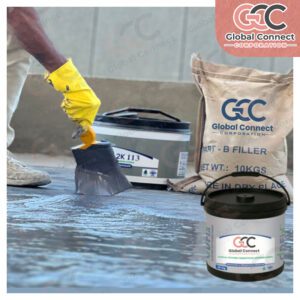
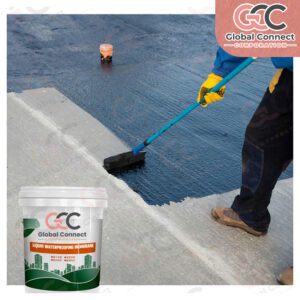
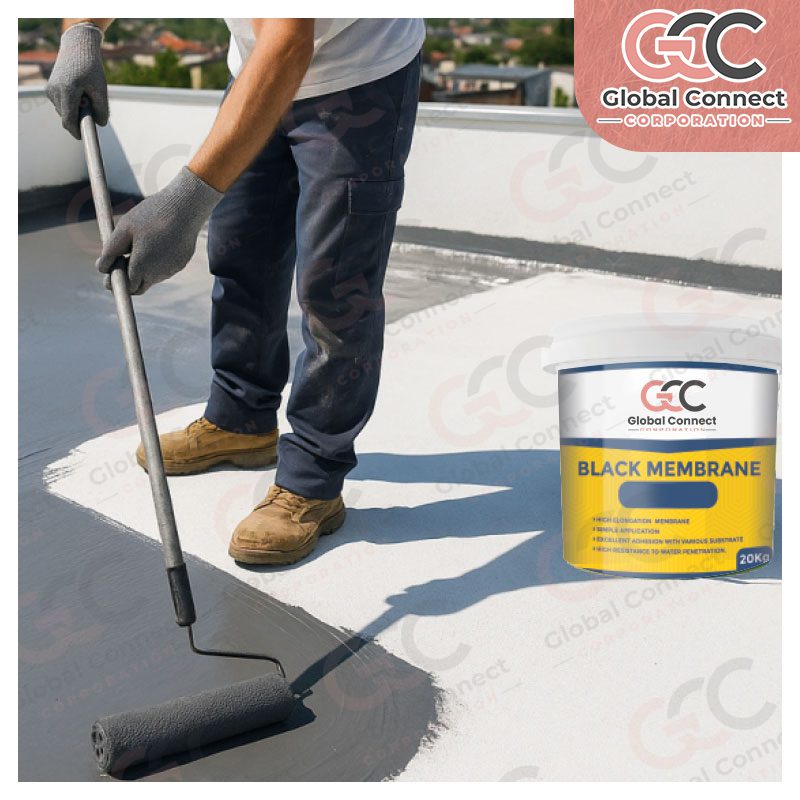
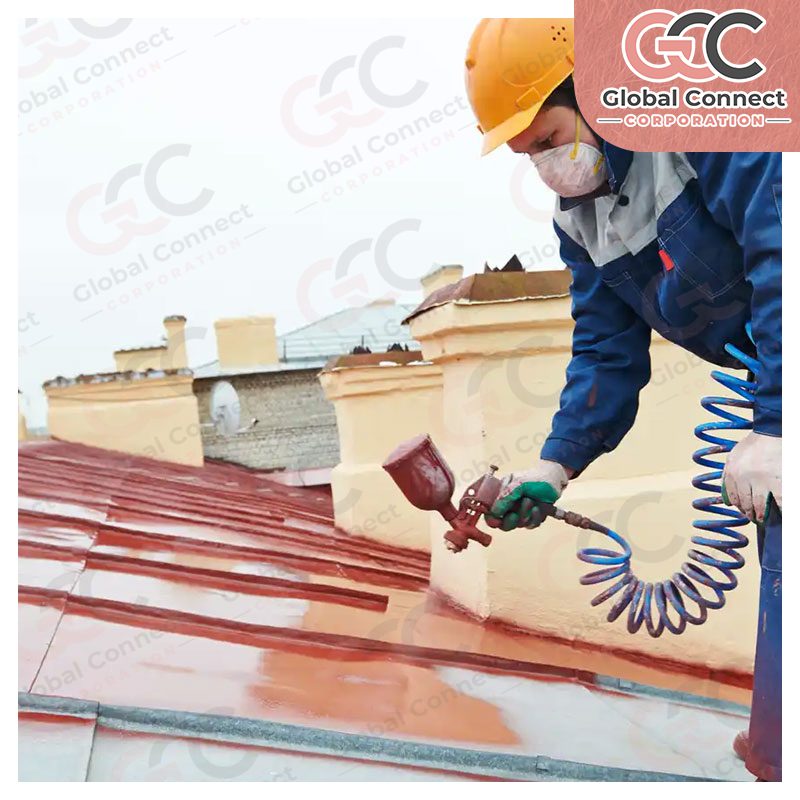
Elastomeric coatings provide high durability and flexibility, forming a flexible, seamless waterproof membrane that bridges cracks up to 1–2mm. Designed for exposed surfaces like roofs, terraces, balconies, and podiums, these coatings maintain elasticity, resist UV damage and standing water, ensuring long-lasting protection even under thermal movement.
Product Types: Single or two-component acrylic or polyurethane waterproofing coatings
Materials: Elastomeric polymers, selected fillers, proprietary additives
Performance: Flexible membrane with crack bridging up to 1–2mm, UV resistant, waterproof against standing water
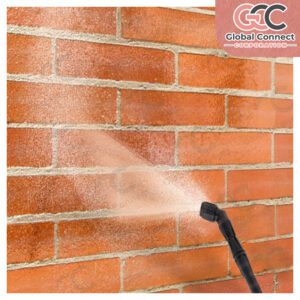
Compatibility: Suitable for concrete, cement plaster, brick, stone, previously treated surfaces
Special Features: Long-lasting elasticity, suitable for roofs and terraces with cyclic movement, available in white and black
Packaging: Available in 1kg, 4kg, 20kg buckets/sets
MOQ: 1 bucket/set
Lead Time: 3–7 days
Frequently Asked Questions – Waterproofing Coatings
Why do facility managers use waterproofing coatings as part of preventive maintenance?
Waterproofing coatings help protect roofs, walls, and exterior surfaces from weather-related deterioration, reducing repair costs and extending the service life of commercial and industrial buildings.
Which surfaces are best suited for waterproofing coatings?
These coatings are commonly applied to concrete, masonry, metal roofs, exterior walls, parapets, terraces, and industrial structures where long-term surface protection is required.
How do reflective waterproofing coatings help commercial buildings?
Reflective coatings help reduce surface heat absorption, improve roof performance, and contribute to more comfortable indoor environments in warm climates across Asia, the Gulf, Europe, and Africa.
Can waterproofing coatings protect industrial metal structures from corrosion?
Yes. Suitable coating systems help shield metal surfaces from moisture exposure, helping reduce corrosion risks in factories, warehouses, processing plants, and coastal environments.
How do maintenance teams decide when a roof should be recoated?
Regular inspections for fading, wear, cracking, chalking, and localized coating damage help determine the appropriate maintenance schedule before major deterioration occurs.
Which industries generate the highest demand for waterproofing coatings?
Manufacturing facilities, warehouses, logistics centers, commercial buildings, hospitals, schools, airports, and infrastructure projects continue to drive strong demand across Asia, the Gulf, Europe, and Africa.
How do contractors achieve consistent coating performance across large surfaces?
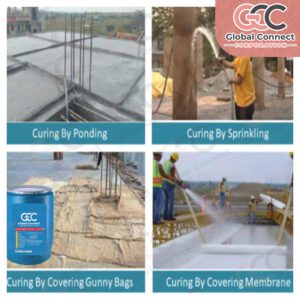
Professional applicators carefully control surface preparation, coating thickness, application methods, and curing conditions to ensure uniform coverage and reliable long-term protection.
What should project buyers verify before approving waterproofing coatings?
Buyers typically evaluate adhesion performance, weather resistance, UV stability, flexibility, coverage rates, drying time, and substrate compatibility before bulk procurement.
What trends are shaping the waterproofing coating industry?
Demand continues to grow for energy-efficient roof coatings, low-VOC formulations, long-life protective systems, sustainable maintenance solutions, and high-performance weatherproof coatings across Asia, the Gulf, Europe, and Africa.
Why do maintenance contractors and distributors partner with GCC for waterproofing coatings?
GCC combines manufacturing excellence, product innovation, export-quality production, OEM and private-label manufacturing, and dependable global delivery to support maintenance contractors, distributors, industrial facilities, and commercial building projects across Asia, the Gulf, Europe, and Africa.