Product Details
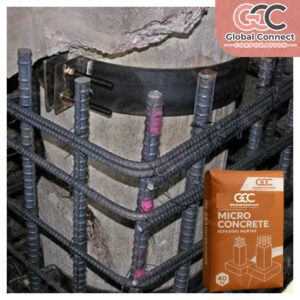
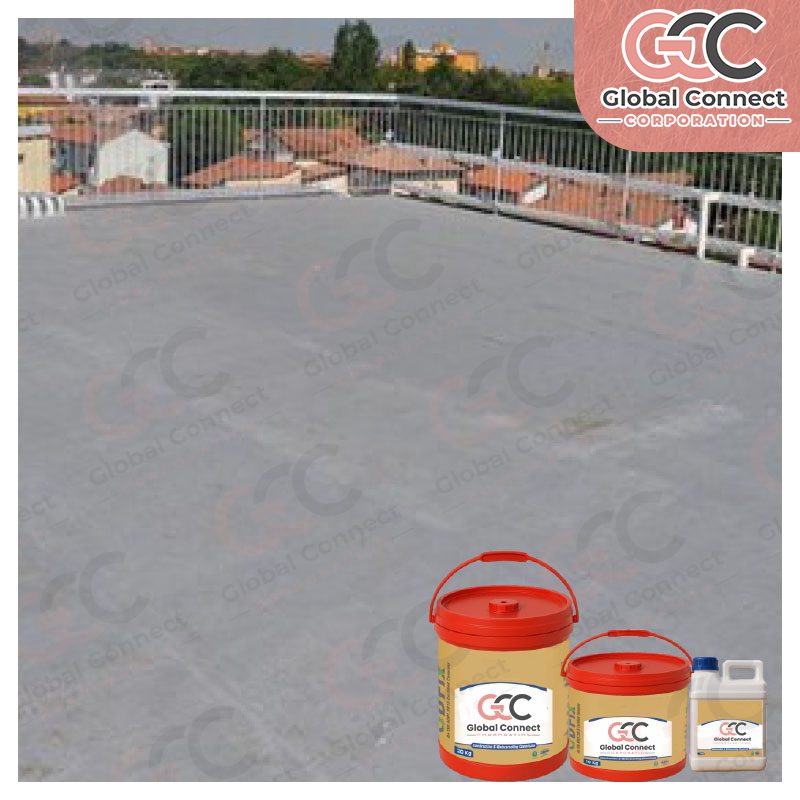
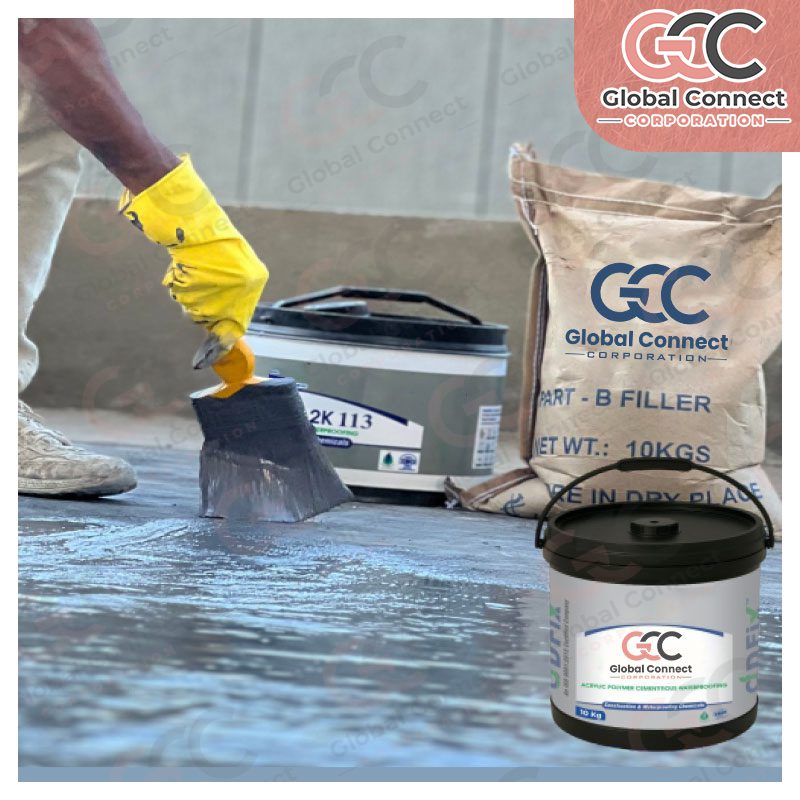
Single-component cementitious waterproofing products are ready-to-use powder blends that form a durable, impermeable coating on concrete and mortar surfaces. By simply adding water on-site, they create a seamless barrier that prevents water ingress, resists abrasion, and endures wetting and drying cycles. These products are ideal for water tanks, swimming pools, retaining walls, lift pits, and below-grade concrete protection.
Product Types: Ready-to-use powder blends for mixing with water at the site
Materials: Specially processed cements, graded fillers, proprietary polymers
Performance: Forms hard, impermeable coatings; protects against positive and negative hydrostatic pressure
Compatibility: Suitable for concrete, masonry, brick, cement plaster, and block work
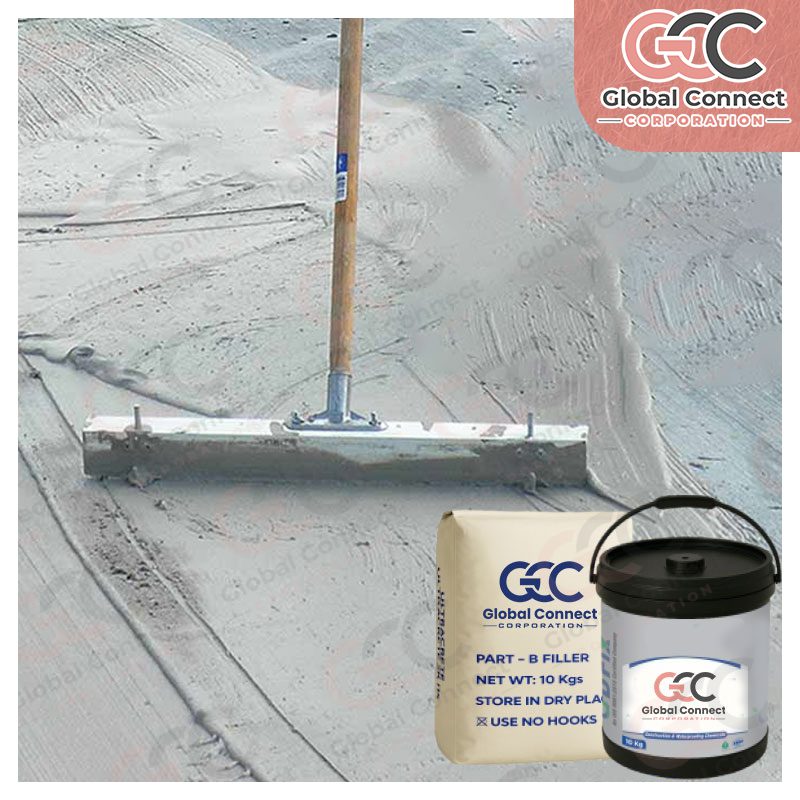
Special Features: Easy application by brush, roller, or trowel; adheres to moist surfaces; safe for potable water storage
Packaging: Available in 5kg, 10kg, 20kg, and 40kg bags
MOQ: Minimum 1 bag
Lead Time: 3–7 days for stocked grades
Frequently Asked Questions – Cementitious Waterproofing
Why is cementitious waterproofing widely used for water-retaining concrete structures?
Cementitious coatings chemically bond with concrete surfaces, creating a durable waterproof barrier that performs exceptionally well in water tanks, swimming pools, basements, lift pits, and retaining walls.
When should contractors choose cementitious waterproofing instead of liquid roof coatings?
Cementitious waterproofing is typically selected for concrete substrates that remain in constant contact with moisture or underground conditions, whereas roof coatings are primarily designed for exposed horizontal surfaces.
Can cementitious waterproofing be applied to damp concrete?
Yes. Many cement-based waterproofing systems are suitable for properly prepared damp concrete surfaces, making them practical for basements, foundations, and underground construction where completely dry conditions are difficult to achieve.
What is the difference between positive-side and negative-side waterproofing?
Positive-side waterproofing protects concrete before water enters the structure, while negative-side waterproofing helps control moisture that approaches from the opposite side of the concrete. The appropriate approach depends on the project design and site conditions.
Which projects generate the highest demand for cementitious waterproofing?
Water tanks, swimming pools, sewage treatment plants, basements, tunnels, retaining walls, foundations, and infrastructure projects continue to drive demand across Asia, the Gulf, Europe, and Africa.
How do contractors prepare concrete before applying cementitious coatings?
Professional applicators remove loose particles, repair cracks and honeycombing, clean the surface thoroughly, and ensure proper substrate preparation before applying the waterproofing system.
Can cementitious waterproofing be used beneath tile installations?
Yes. It is widely used beneath ceramic tiles, stone finishes, and bathroom installations where a waterproof layer is required before the final floor or wall finish is installed.
What performance factors should project consultants verify before approval?
Buyers typically evaluate adhesion strength, water penetration resistance, crack-bridging capability (where applicable), compressive performance, substrate compatibility, and curing requirements before bulk procurement.
What trends are increasing demand for cementitious waterproofing?
Growing investment in underground infrastructure, water conservation projects, basement construction, wastewater treatment facilities, and durable concrete protection continues to increase demand across Asia, the Gulf, Europe, and Africa.
Why do infrastructure contractors and project consultants partner with GCC for cementitious waterproofing?
GCC combines manufacturing excellence, export-quality production, product innovation, OEM and private-label manufacturing, and dependable global delivery to support contractors, distributors, and major construction projects across Asia, the Gulf, Europe, and Africa.