Product Details
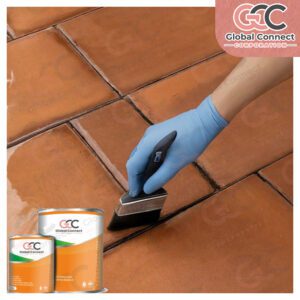
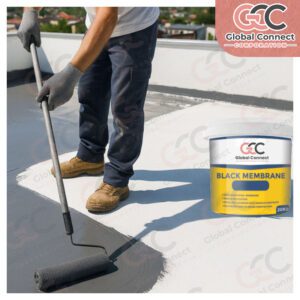
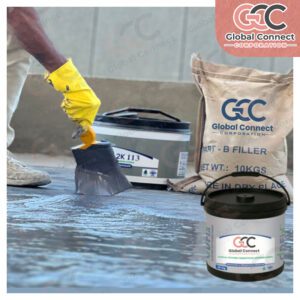
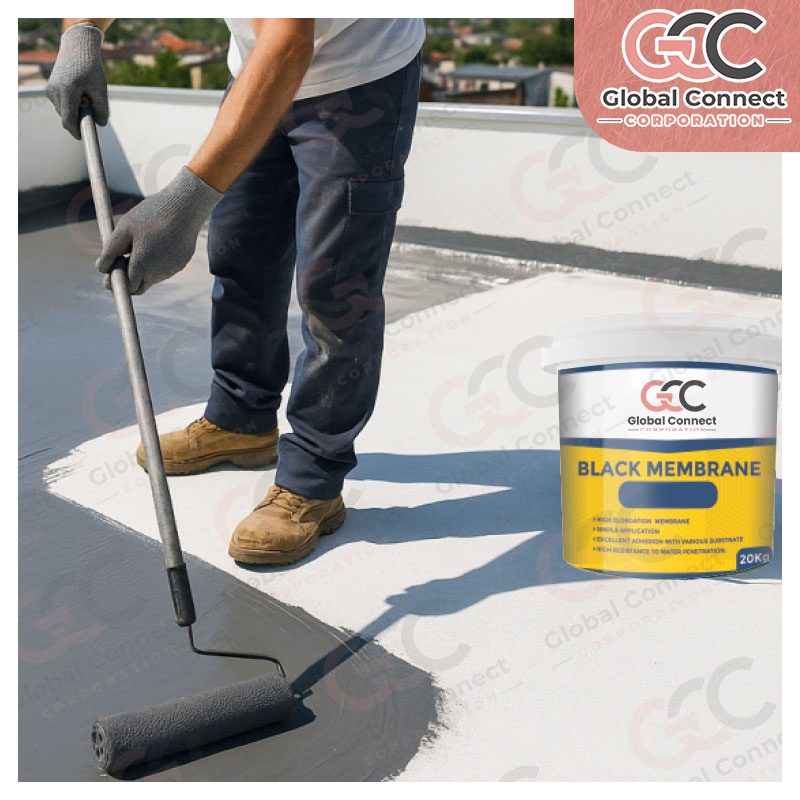
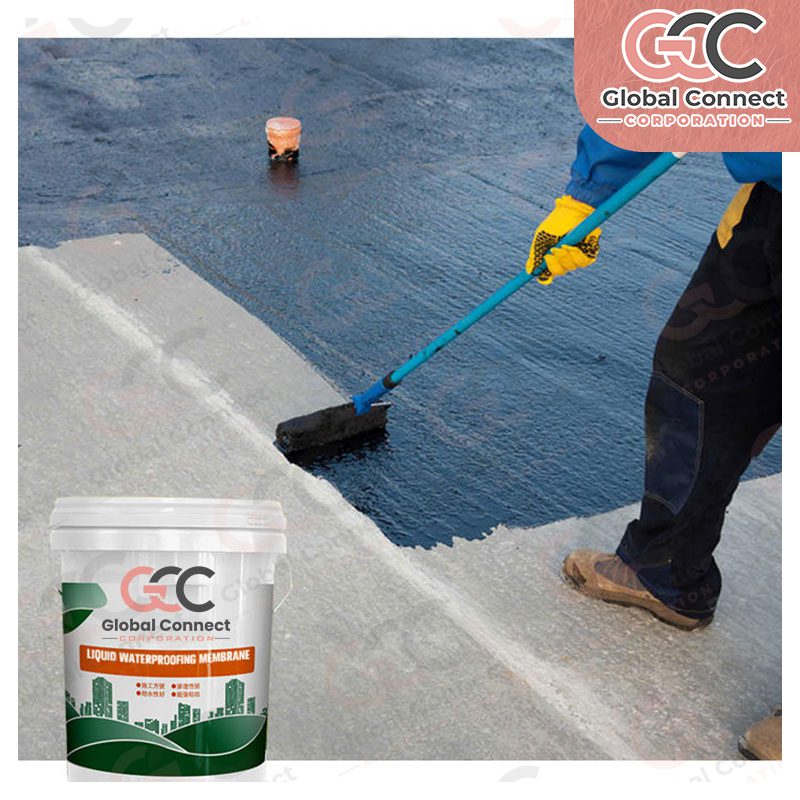
Our Liquid Applied Membranes provide a durable, flexible, and crack-resistant waterproof barrier to protect various surfaces from water penetration. Acrylic membranes offer UV resistance and aesthetic finishes ideal for terraces and balconies, polyurethane membranes deliver high flexibility and abrasion resistance suitable for water tanks and industrial floors, and epoxy-based membranes provide excellent chemical resistance and mechanical strength for aggressive environments. These membranes enable seamless protection through easy brush, roller, or spray application for both new construction and renovation projects.
Product Types: Acrylic-based, polyurethane-based, and epoxy-based liquid membranes; single and two-component systems
Materials: Flexible elastomeric polymers with high elongation and adhesion
Performance: Crack bridging up to 1.5mm, seamless application, UV and chemical resistant, waterproof barrier formation
Compatibility: Suitable for concrete, masonry, plaster, metal, wood, existing waterproofing substrates
Special Features: Easy application by brush, roller, or spray; fast curing; resistant to weathering and mechanical stress
Packaging: Kits available in 1kg, 4kg, 5kg, 10kg, 20kg, 25kg sizes
MOQ: Typically 1 kit
Lead Time: 1–2 weeks depending on order size and availability
Frequently Asked Questions – Liquid Waterproofing Membranes
Why do contractors choose liquid membranes instead of sheet waterproofing for terraces and roofs?
Liquid membranes create a seamless waterproof layer that easily covers corners, joints, pipes, drains, and irregular roof shapes without requiring multiple sheet overlaps.
How do liquid membranes perform on cracked concrete surfaces?
Flexible liquid membranes are designed to bridge minor surface cracks and accommodate limited substrate movement, helping maintain continuous waterproof protection over time.
Which projects benefit most from liquid waterproofing membranes?
Roof terraces, balconies, podium slabs, bathrooms, retaining walls, foundations, planter boxes, and renovation projects continue to generate strong demand across Asia, the Gulf, Europe, and Africa.
Can liquid membranes be applied over existing waterproofing during renovation projects?
In many refurbishment projects, compatible liquid membranes can be applied over properly prepared existing substrates, helping reduce demolition work and project downtime.
How do applicators achieve uniform membrane thickness across large roofs?
Professional contractors monitor coverage rates, wet-film thickness, application methods, and curing conditions to maintain consistent waterproofing performance across the entire surface.
What makes liquid membranes suitable for roofs with multiple penetrations?
Their brush, roller, or spray application allows them to seal around vents, pipes, HVAC supports, parapets, and drainage outlets where traditional waterproofing systems can be more difficult to install.
What should project buyers verify before approving liquid membrane products?
Professional buyers typically evaluate crack-bridging capability, elongation, UV resistance, adhesion strength, curing time, weather performance, and application coverage before bulk procurement.
How do facility managers extend the service life of liquid waterproofing systems?
Periodic roof inspections, timely cleaning, repairing localized damage, and following recommended maintenance practices help maximize long-term membrane performance.
What trends are increasing demand for liquid waterproofing membranes?
Growth in roof refurbishment, sustainable construction, cool roof technologies, maintenance-friendly waterproofing solutions, and faster project completion continues to increase demand across Asia, the Gulf, Europe, and Africa.
Why do roofing contractors and waterproofing specialists partner with GCC for liquid waterproofing membranes?
GCC combines manufacturing excellence, product innovation, export-quality production, OEM and private-label manufacturing, and dependable global delivery to support contractors, distributors, and construction projects across Asia, the Gulf, Europe, and Africa.