Product Details
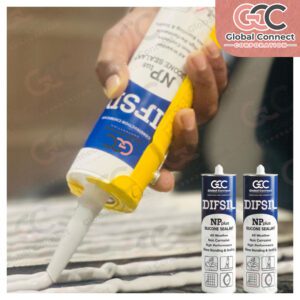
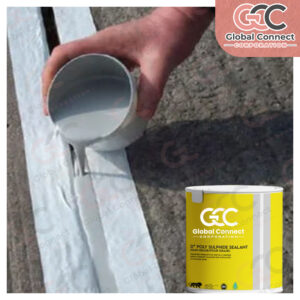
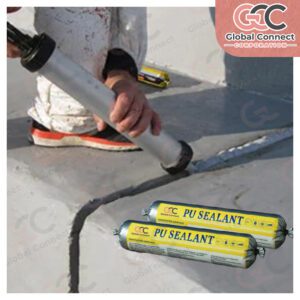
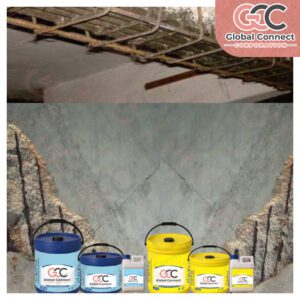
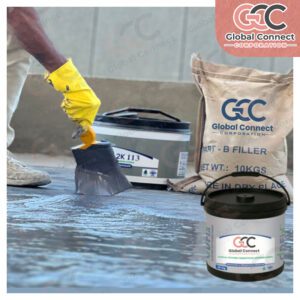
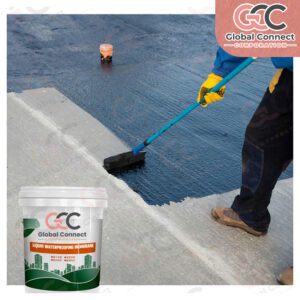
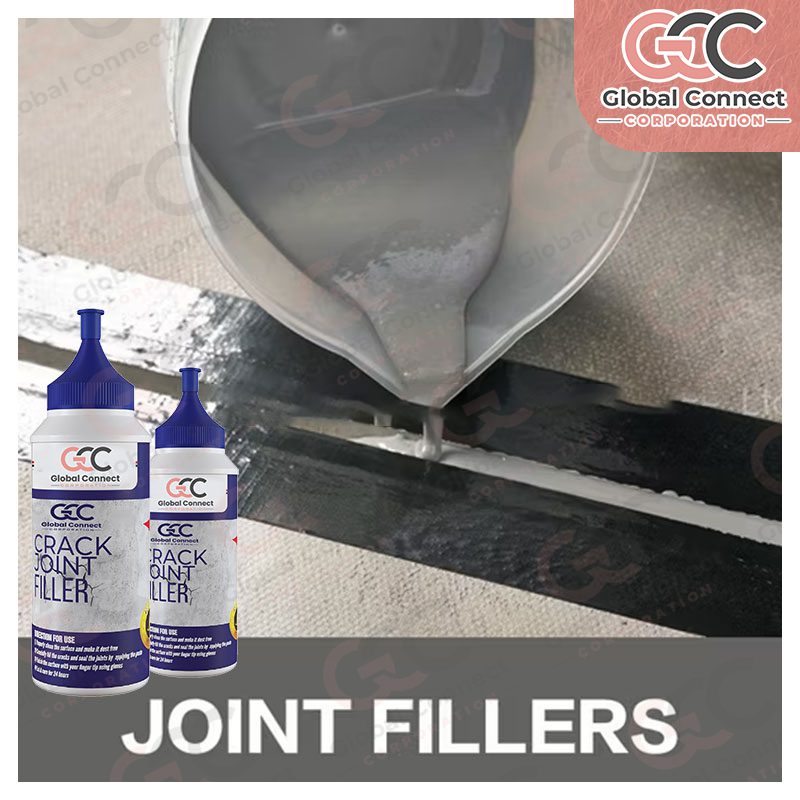
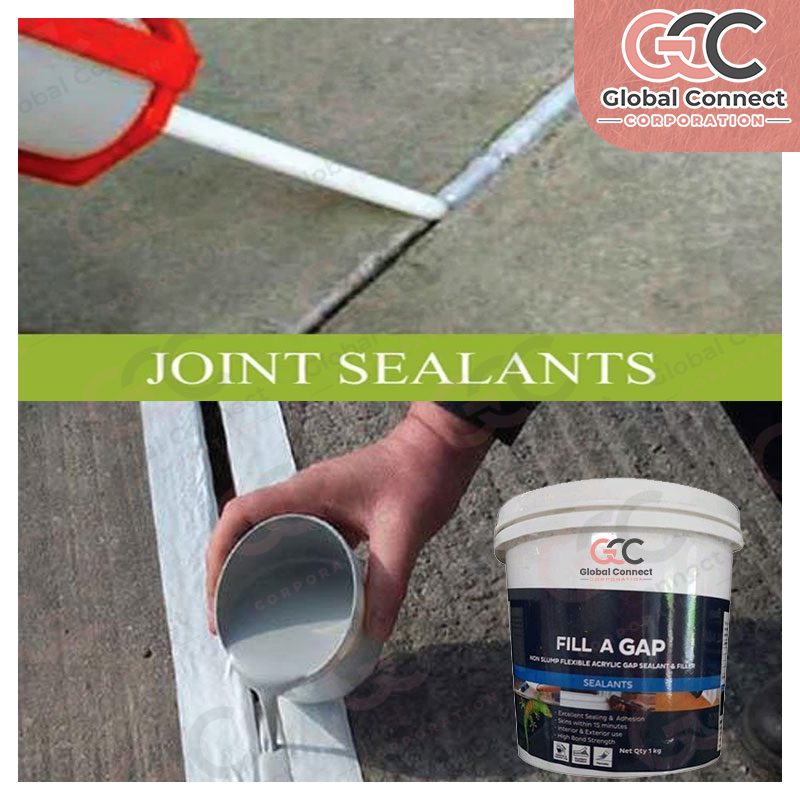
Acrylic joint fillers offer an economical and easy-to-apply solution for sealing low-movement joints and cracks in various interior and exterior settings. With excellent adhesion, flexibility, and paintability, they are especially suitable for decorative and maintenance applications where moderate movement is expected. These water-based fillers are environmentally friendly and provide good resistance to sunlight and weather, making them versatile for many building and repair tasks.
Product Types: Water-based acrylic joint fillers for low-movement joints, crack filling, surface finishing
Materials: Ready-to-use, single-component acrylic emulsions and pastes in standard and colored forms
Performance: Good adhesion, elasticity, weather resistance, and paintability; suitable for small expansion joints and interior caulking
Compatibility: Ideal for concrete, masonry, wood, plaster, drywall, painted surfaces
Special Features: Easy application, quick drying, UV stable, non-yellowing, low VOC, environmentally friendly
Packaging: Tubes, cartridges, tubs in various retail and professional sizes
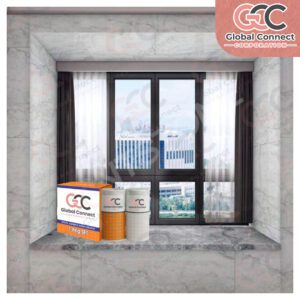
Applications: Control joints in sidewalks, driveways, interior trim, window and door surrounds, cracks, small gaps
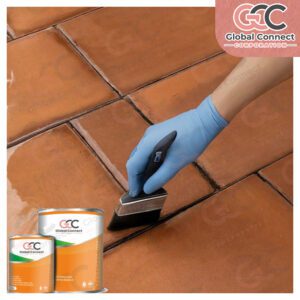
Application Methods: Caulking guns, putty knives, spatulas for finishing
Standards Compliance: ASTM C719, EN ISO 11600, relevant industry standards
Shelf Life: Typically 12 months sealed, dry, and cool
Frequently Asked Questions – Acrylic Fillers
Why do painting contractors use acrylic fillers before applying primer and paint?
Acrylic fillers help repair hairline cracks, nail holes, and minor surface imperfections, creating a smoother substrate that improves paint appearance and reduces visible defects after finishing.
How do contractors repair wall cracks without damaging the surrounding paint finish?
Professional painters typically clean the crack, apply acrylic filler evenly, allow proper drying, and sand the repaired area before repainting to achieve a seamless finish.
Which projects generate the highest demand for acrylic fillers?
Residential painting, commercial interiors, office renovations, gypsum board finishing, hotel refurbishment, retail fit-outs, and property maintenance projects continue to drive demand across Asia, the Gulf, Europe, and Africa.
Why is sanding performance important for finishing contractors?
Easy-to-sand fillers help painters achieve smoother walls faster, reduce labour time, and improve the quality of final paint finishes across large interior projects.
Can acrylic fillers be painted after drying?
Yes. Acrylic fillers are designed to accept primers and decorative paints, allowing repaired surfaces to blend naturally with surrounding walls and ceilings.
How do contractors prevent filler shrinkage after repairs?
Applying the recommended layer thickness, allowing adequate drying time, and preparing the substrate properly help minimize shrinkage and improve repair durability.
What should paint distributors evaluate before selecting acrylic fillers?
Professional buyers typically compare adhesion, sanding ease, drying time, shrinkage resistance, paint compatibility, crack-filling performance, and shelf stability before placing bulk orders.
How do maintenance teams improve repainting efficiency in commercial buildings?
Using fast-drying acrylic fillers allows repairs to be completed quickly, helping reduce project downtime during office, retail, hotel, and facility maintenance work.
What trends are increasing demand for acrylic fillers?
Growth in interior renovation, gypsum drywall construction, premium paint finishes, commercial refurbishment, and quick-turnaround maintenance projects continues to increase demand across Asia, the Gulf, Europe, and Africa.
Why do painting contractors and distributors build long-term partnerships with GCC for acrylic fillers?
GCC combines manufacturing excellence, product innovation, export-quality production, OEM and private-label manufacturing, and dependable global delivery to support painting contractors, distributors, renovation specialists, and finishing professionals across Asia, the Gulf, Europe, and Africa.