Product Details
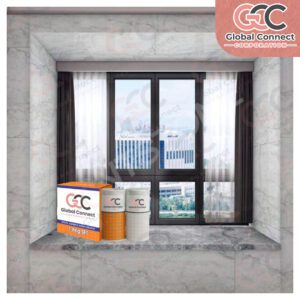
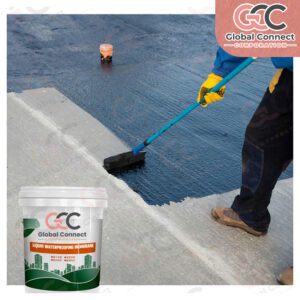
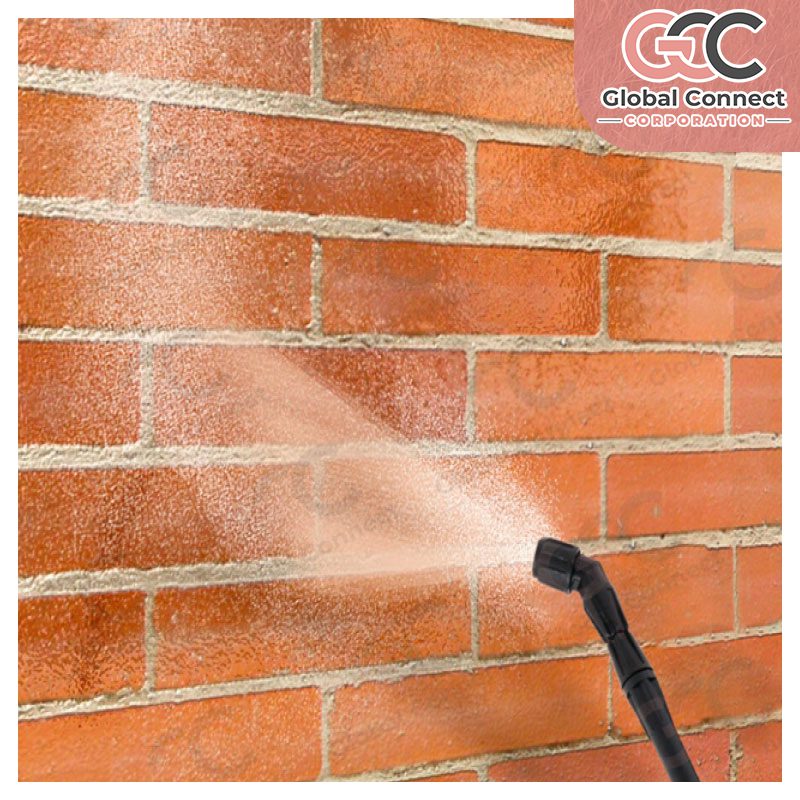
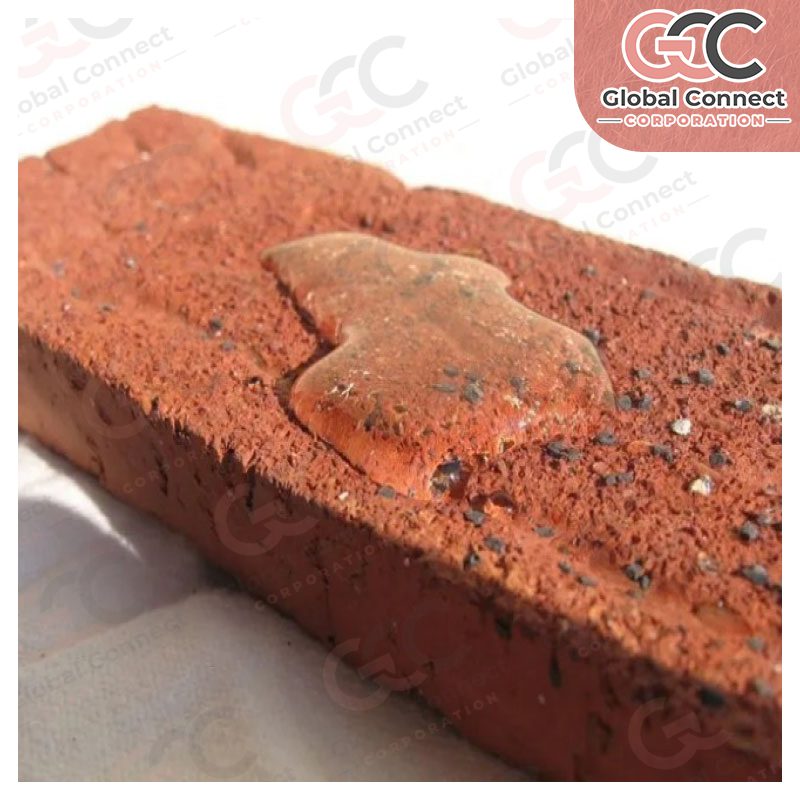
Water repellent coatings provide long-lasting chemical protection for exterior surfaces against rain, moisture, and damage without compromising breathability or appearance. Suitable for facades, walls, terraces, roof tiles, and porous decorative surfaces, these silicon-based coatings penetrate substrates to create a water-repellent barrier while maintaining the original look.
Product Types: Silicon-based, water or solvent-based transparent coatings
Materials: Advanced silicon resins, proprietary additives
Performance: Penetrates and chemically bonds to substrates, long-lasting water repellency without altering appearance
Compatibility: Suitable for concrete, brick, stone, cement render, natural and artificial surfaces
Special Features: Easy application by brush or spray, does not stain or change substrate color, improves self-cleaning
Packaging: Available in 1L, 5L, 10L, 20L, and 25L containers
MOQ: Minimum 1 container
Lead Time: 3–7 days
Frequently Asked Questions – Water Repellent Coatings
Why do architects specify water repellent coatings instead of conventional paints for exterior stone and brick?
Water repellent coatings penetrate porous surfaces to reduce water absorption while preserving the natural appearance of stone, brick, and concrete instead of creating a visible surface film.
How do breathable coatings protect buildings without trapping moisture?
These coatings allow water vapor to escape from the substrate while helping prevent rainwater penetration, reducing the risk of blistering, peeling, and moisture-related damage within exterior walls.
Which building materials benefit most from water repellent treatments?
Natural stone, exposed brick, concrete, precast panels, sandstone, granite, marble, masonry blocks, and exterior render are among the most common applications across commercial and residential projects.
How do façade maintenance teams reduce efflorescence on exterior walls?
Limiting water penetration into porous masonry helps reduce the moisture movement that contributes to white salt deposits, making water repellent treatments a valuable part of façade maintenance.
Why are heritage restoration projects increasingly using invisible protective coatings?
Restoration projects often require protection that preserves the original texture, color, and architectural character of historic buildings while improving resistance to weather exposure.
What should project buyers evaluate before selecting a water repellent coating?
Professional buyers typically assess water absorption reduction, vapor permeability, UV resistance, weather durability, substrate compatibility, and expected service life before approving bulk procurement.
Can water repellent coatings improve the lifespan of exposed concrete façades?
Yes. By reducing moisture penetration, these treatments help limit weather-related deterioration and support longer-lasting performance for exposed concrete structures.
Which industries generate the highest demand for water repellent coatings?
Commercial buildings, residential developments, heritage restoration projects, infrastructure maintenance, precast manufacturing, hospitality properties, and institutional buildings continue to drive demand across Asia, the Gulf, Europe, and Africa.
What trends are shaping the water repellent coating market?
Growing demand for breathable façade protection, low-maintenance building exteriors, heritage conservation, sustainable building maintenance, and long-life protective treatments continues to increase adoption across Asia, the Gulf, Europe, and Africa.
Why do façade contractors and property owners build long-term partnerships with GCC for water repellent coatings?
GCC combines manufacturing excellence, product innovation, export-quality production, OEM and private-label manufacturing, and dependable global delivery to support contractors, distributors, restoration specialists, and commercial building projects across Asia, the Gulf, Europe, and Africa.