Product Details
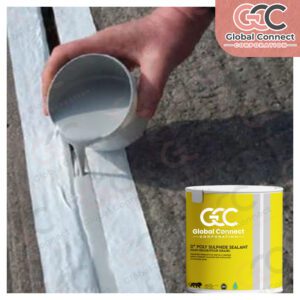
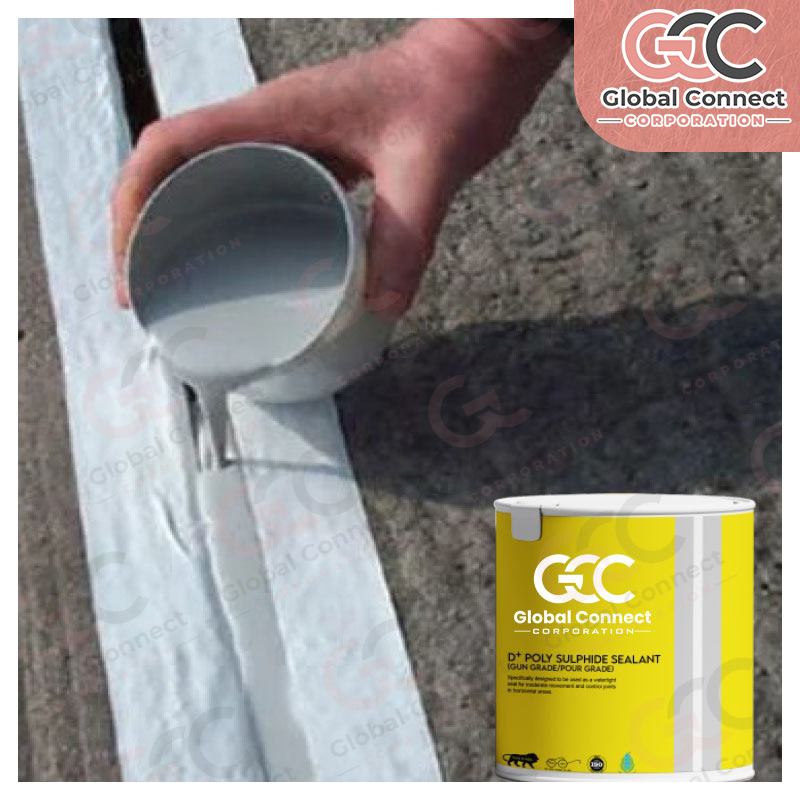
Polysulphide sealants provide exceptional durability and flexibility for demanding joint sealing where chemical exposure and high movement are present. Their long curing times and robust mechanical properties ensure tight, waterproof seals in infrastructure, aviation, industrial, and marine projects. These sealants accommodate significant expansion and contraction without cracking or debonding, delivering reliable weatherproof protection.
Product Types: Two-component polysulphide sealants for heavy-duty, long-lasting joint sealing
Materials: Pre-measured resin and hardener kits for precise mixing and consistent performance
Performance: Exceptional elasticity; excellent chemical resistance; UV stable; waterproof
Compatibility: Ideal for expansion and structural joints in airports, warehouses, industrial floors, bridges, marine environments
Special Features: Rubber-like seals resistant to aging, extreme temperatures, water immersion, aggressive chemicals
Packaging: Typically 4kg kits and larger sizes for large projects
Application Areas: Airport runways, highways, bridges, warehouses, tank joints, marine structures
Application Methods: Applied with static mixing guns, trowels, or specialized tools
Standards Compliance: ASTM C920, EN 14188, IS specifications
Shelf Life: About 12 months when stored sealed in cool, dry conditions
Frequently Asked Questions – Polysulphide Sealants
Why do airport engineers specify polysulphide sealants for runway and taxiway joints?
Airport pavements experience heavy aircraft loads, fuel exposure, and continuous expansion and contraction. Polysulphide sealants are widely used because they maintain joint flexibility while resisting aviation fuels and demanding operating conditions.
How do polysulphide sealants perform in fuel stations and chemical plants?
They are designed for environments where joints are exposed to fuels, oils, chemicals, and industrial contaminants, helping maintain reliable sealing performance over long service periods.
Which projects generate the highest demand for polysulphide sealants?
Airports, fuel stations, marine structures, chemical plants, bridges, reservoirs, industrial facilities, precast construction, and infrastructure projects continue to drive demand across Asia, the Gulf, Europe, and Africa.
Why are polysulphide sealants preferred for submerged joints?
They provide durable sealing performance in applications exposed to standing water and wet conditions, making them suitable for reservoirs, canals, docks, and other water-retaining structures.
How do bridge contractors protect expansion joints from long-term deterioration?
Selecting sealants with high movement capability, weather resistance, and chemical durability helps bridge joints perform more reliably under traffic loads and changing environmental conditions.
Can polysulphide sealants be used with concrete and metal structures?
Yes. They are widely used for sealing joints between concrete, steel, aluminium, and other construction materials used in industrial and infrastructure applications.
What should project consultants evaluate before approving polysulphide sealants?
Professional buyers typically assess fuel resistance, chemical resistance, movement capability, adhesion performance, weather durability, curing characteristics, and substrate compatibility before bulk procurement.
How do contractors achieve longer maintenance intervals for industrial joints?
Proper joint preparation, correct sealant selection, recommended joint dimensions, and following installation guidelines help maximize service life and reduce future maintenance requirements.
What trends are increasing demand for polysulphide sealants?
Growth in airport modernization, energy infrastructure, marine construction, fuel storage facilities, and industrial expansion continues to increase demand across Asia, the Gulf, Europe, and Africa.
Why do infrastructure contractors and industrial operators build long-term partnerships with GCC for polysulphide sealants?
GCC combines manufacturing excellence, product innovation, export-quality production, OEM and private-label manufacturing, and dependable global delivery to support contractors, distributors, industrial facilities, and infrastructure projects across Asia, the Gulf, Europe, and Africa.