Product Details
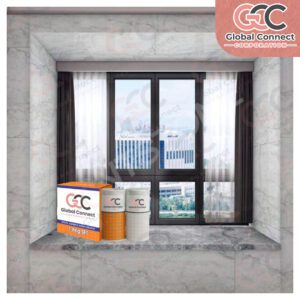
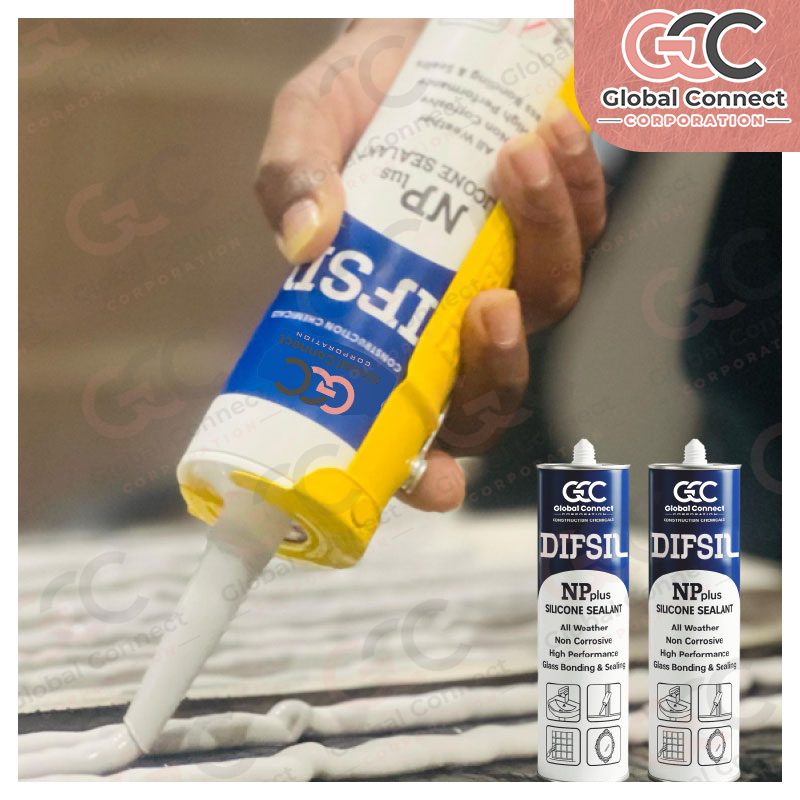
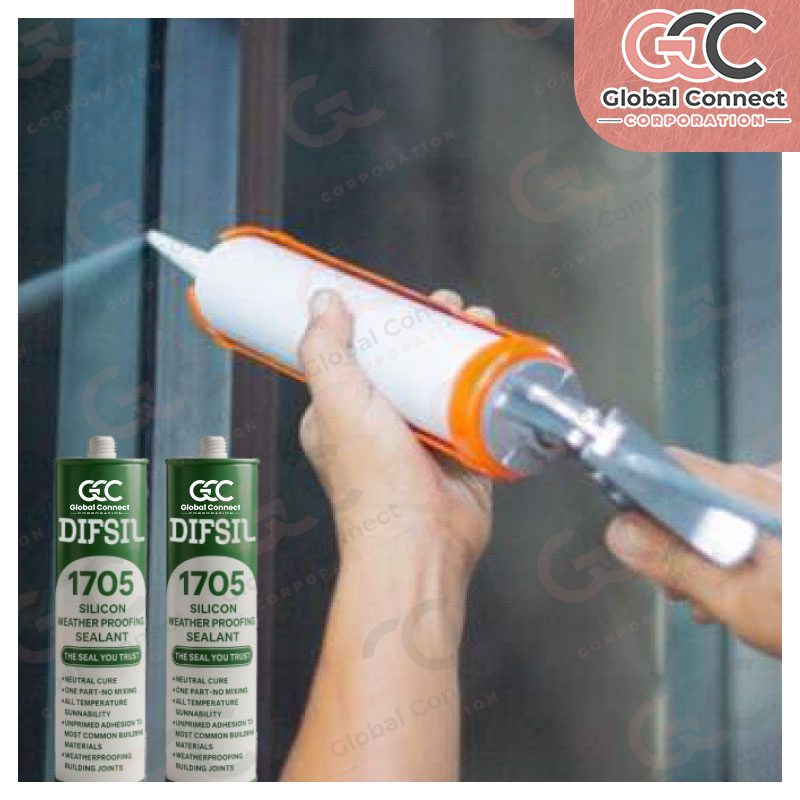
Silicone and hybrid sealants provide superior sealing, flexibility, and weather resistance for architectural and façade applications. Designed for both static and high-movement joints, they offer lasting protection and excellent bond strength across diverse substrates. Hybrid sealants combine silicone performance with paintability and enhanced adhesion, making them suitable for complex building needs like curtain walls, glazing, sanitary sealing, and exterior cladding.
Product Types: One-part neutral cure silicone sealants and advanced hybrid (MS/polyether) polymer sealants
Materials: Single-component, ready-to-use cartridges, sausages, and pails in clear, white, grey, and specialty colors
Performance: Outstanding elasticity, UV stability, weather resistance, permanent flexibility for expansion and perimeter joints
Compatibility: Suitable for glass, aluminum, metal, ceramics, mirrors, plastics, concrete, stone, composite panels (curtain walls, ACP, glazing, bathroom, façade)
Special Features: Non-corrosive, non-staining, primerless adhesion on most substrates, low VOC, mold/mildew resistant (sanitary grades)
Packaging: 280ml/300ml cartridges, 600ml sausages, custom bulk options
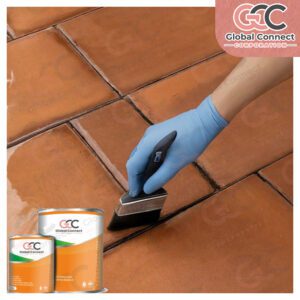
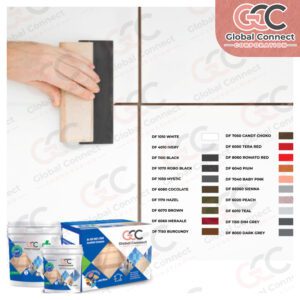
Application Areas: Curtain wall glazing, weather sealing, sanitary sealing, façade joints, interior/exterior perimeter joints, tile gap filling
Curing Mode: Acetoxy or neutral cure (silicone), moisture-cure for hybrids; quick skin formation
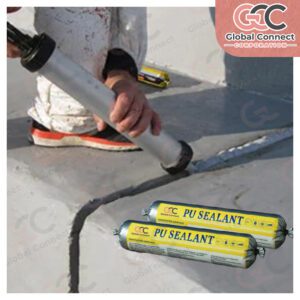
Application Methods: Caulking guns, spatula, or trowel for finishing
Standards Compliance: ASTM C920, EN 15651, ISO 11600
Shelf Life: 12 months for silicone; 9–12 months for hybrids (sealed, cool, dry storage)
Frequently Asked Questions – Silicone Sealants
Why do curtain wall contractors specify silicone sealants for glass façades?
Silicone sealants maintain long-term flexibility while withstanding sunlight, rain, temperature changes, and wind movement, making them a preferred solution for curtain walls and structural glazing systems.
How do window manufacturers prevent water leakage around aluminium frames?
Properly applied silicone sealants create weather-tight seals around aluminium windows, doors, and glazing systems, helping reduce water infiltration and air leakage.
Which silicone sealant is commonly used for bathrooms and kitchens?
Sanitary-grade silicone sealants are widely used because they resist moisture, mould growth, and everyday cleaning conditions while maintaining a neat, long-lasting finish.
Why is UV resistance important for exterior silicone sealants?
Exterior joints remain exposed to direct sunlight throughout the year. UV-resistant silicone helps maintain flexibility, colour stability, and sealing performance without becoming brittle over time.
Which industries generate the highest demand for silicone sealants?
Aluminium fabrication, curtain wall construction, glazing projects, residential buildings, commercial offices, hotels, hospitals, and interior finishing projects continue to drive demand across Asia, the Gulf, Europe, and Africa.
Can silicone sealants bond effectively with glass and aluminium?
Yes. They are widely used for glass, aluminium, ceramic, stainless steel, and other non-porous building materials commonly found in modern architectural projects.
How do glazing installers achieve clean and professional sealant joints?
Proper surface cleaning, masking, consistent bead application, and careful tooling help produce uniform joints with an attractive finished appearance.
What should project consultants evaluate before approving silicone sealants?
Professional buyers typically assess UV resistance, movement capability, adhesion performance, weather durability, curing characteristics, mould resistance where applicable, and substrate compatibility before bulk procurement.
What trends are increasing demand for silicone sealants?
Growth in energy-efficient buildings, curtain wall architecture, premium glazing systems, modular construction, and low-maintenance building envelopes continues to increase demand across Asia, the Gulf, Europe, and Africa.
Why do glazing contractors and aluminium fabricators build long-term partnerships with GCC for silicone sealants?
GCC combines manufacturing excellence, product innovation, export-quality production, OEM and private-label manufacturing, and dependable global delivery to support glazing contractors, fabricators, distributors, and commercial construction projects across Asia, the Gulf, Europe, and Africa.