Product Details
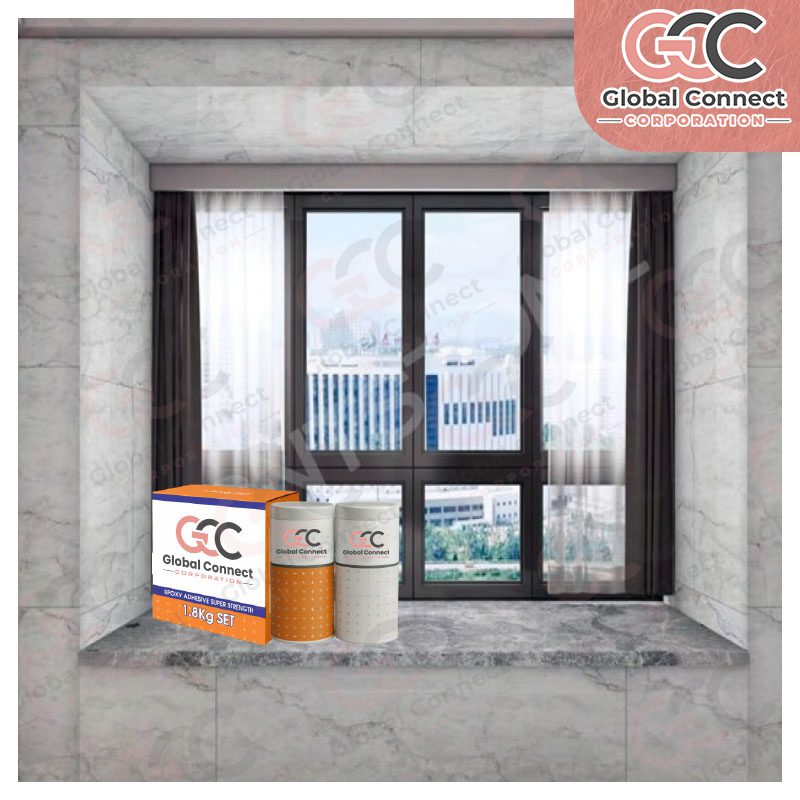
Epoxy bonding agents are high-performance two-component systems formulated for exceptional adhesion and durability in structural repairs and bonding. They offer excellent mechanical strength, chemical and moisture resistance, making them ideal for patching old to new concrete, crack filling, overlays, and anchoring. These agents ensure monolithic bonds necessary for lasting structural integrity in civil, industrial, and commercial projects.
Product Types: Two-component epoxy resin bonding agents with fast and medium curing options
Materials: Pre-measured resin and hardener kits in various pack sizes for accurate mixing
Performance: Exceptional adhesion to concrete, steel, stone, and masonry; high bond strength; resistant to water, chemicals, and solvents; suitable for damp or dry surfaces
Compatibility: Ideal for bonding old to new concrete, steel reinforcement, masonry repairs, anchoring bolts, structural patching
Special Features: Solvent-free, non-shrink, available in rapid and medium set formulations
Packaging: Kits available in 1.5kg, 7.5kg, 45kg sizes for small to large repairs
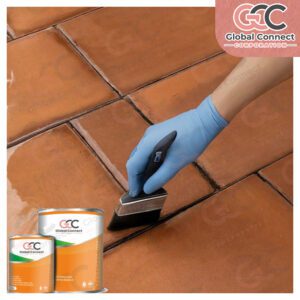
Application Methods: Brush, roller, trowel, injection
Mixing: Pre-measured kits ensure consistent mixing and performance
Shelf Life: 12 to 24 months when stored sealed in cool, dry conditions
Standards Compliance: ASTM C881, EN 1504-4, ISO 9001
Frequently Asked Questions – Epoxy Bonding Agent
Why do bridge rehabilitation contractors specify epoxy bonding agents for structural repairs?
Epoxy bonding agents create exceptionally strong adhesion between existing and new concrete, making them ideal for bridge repairs, structural strengthening, and load-bearing rehabilitation where long-term performance is critical.
How does epoxy bonding improve concrete-to-concrete repairs?
It forms a high-strength adhesive layer that helps transfer loads effectively between old and new concrete, reducing the risk of joint separation in structural repair work.
Can epoxy bonding agents be used for steel-to-concrete applications?
Yes. They are widely used for bonding steel plates, anchor systems, precast elements, and reinforced concrete components where reliable structural adhesion is essential.
Which projects generate the highest demand for epoxy bonding agents?
Bridge rehabilitation, industrial flooring, machine foundations, precast construction, parking structures, marine infrastructure, power plants, and heavy engineering projects continue to drive demand across Asia, the Gulf, Europe, and Africa.
Why is surface preparation more critical for epoxy bonding than ordinary cement bonding?
Epoxy systems rely on direct contact with clean, sound substrates, so removing dust, laitance, oil, and loose material is essential to achieve maximum bond performance.
Can epoxy bonding agents be applied on vertical or overhead repairs?
Yes. Selected formulations are designed to perform on vertical walls, beams, columns, and overhead structural repairs where strong adhesion must be maintained during curing.
How do contractors reduce downtime during structural rehabilitation projects?
Using epoxy bonding systems with appropriate working time and strength-development characteristics helps contractors complete repairs more efficiently while maintaining structural reliability.
What should project consultants evaluate before approving an epoxy bonding system?
Buyers typically review bond strength, tensile performance, compressive strength, chemical resistance, curing characteristics, and compatibility with concrete and steel substrates before bulk procurement.
What trends are increasing demand for epoxy bonding agents?
Aging infrastructure, bridge strengthening programs, industrial maintenance, renewable energy installations, and structural rehabilitation projects continue to increase demand across Asia, the Gulf, Europe, and Africa.
Why do infrastructure contractors and engineering firms build long-term partnerships with GCC for epoxy bonding agents?
GCC combines manufacturing excellence, product innovation, export-quality production, OEM and private-label manufacturing, and dependable global delivery to support contractors, distributors, industrial facilities, and infrastructure projects across Asia, the Gulf, Europe, and Africa.