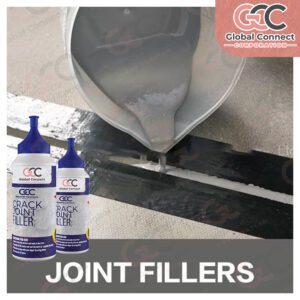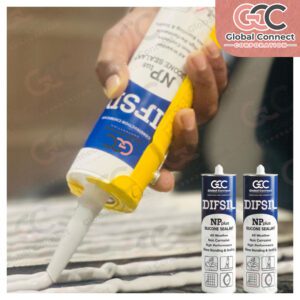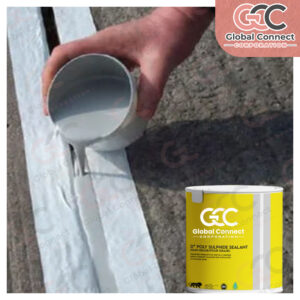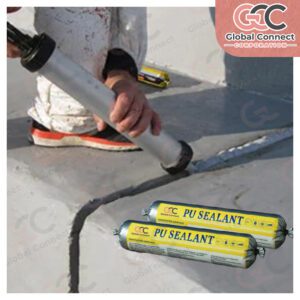
Product Details
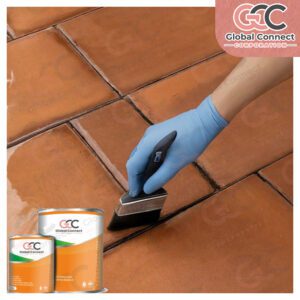
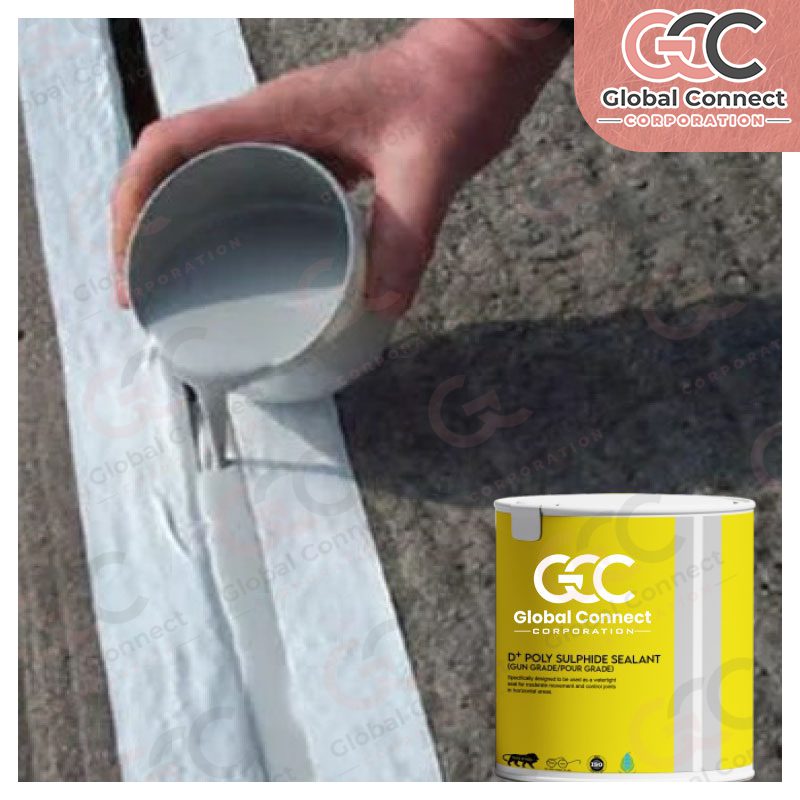
Joint sealants and crack fillers are designed to flexibly fill and seal joints, cracks, and gaps in structures, preserving integrity and preventing water or damp ingress. Suitable for walls, floors, pavements, and precast units, these sealants maintain adhesion and durability across various materials and environmental conditions.
Product Types: Ready-to-use or two-component PU, silicone, acrylic, or epoxy-based sealants and pastes
Materials: Polyurethane, polysulphide, silicone, acrylic, epoxy compounds
Performance: Flexible sealing of movement joints, cracks, and gaps; weather-resistant with durable adhesion
Compatibility: Suitable for concrete, masonry, stone, wood, glass, metal surfaces
Special Features: Accommodates joint movement, prevents leaks and dampness; some fast-curing and paintable
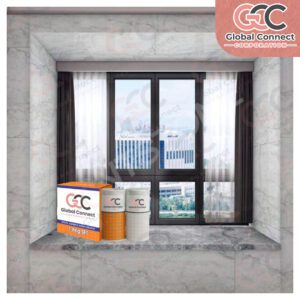
Packaging: Available in 25g, 65g, 100g, 1kg, 4kg, 11kg, 22kg cartridges or 600ml sausages
MOQ: Minimum 1 cartridge or set
Lead Time: 3–7 days
Frequently Asked Questions – Joint Sealants
How do engineers determine the right sealant for expansion joints?
The selection depends on joint width, expected movement, substrate materials, weather exposure, and the building’s service conditions. Expansion joints in façades, floors, pavements, and precast structures often require different sealant technologies.
Why is joint movement capability more important than adhesive strength alone?
Buildings expand, contract, and settle over time. A sealant must stretch and recover repeatedly without cracking or losing adhesion, making movement capability a critical performance factor.
Which substrates are commonly sealed with construction joint sealants?
Joint sealants are widely used on concrete, glass, aluminium, stone, steel, ceramic, masonry, precast panels, and composite building materials across commercial and infrastructure projects.
How do façade contractors prevent water leakage around glazing systems?
Proper joint design, compatible sealant selection, correct backer rod installation, and controlled application techniques help create long-lasting weatherproof seals around windows, curtain walls, and glazing systems.
Which industries generate the highest demand for joint sealants?
Commercial buildings, airports, bridges, highways, industrial plants, shopping malls, hospitals, hotels, and infrastructure projects continue to drive demand across Asia, the Gulf, Europe, and Africa.
How do applicators achieve clean and professional sealant joints?
Surface preparation, proper masking, consistent bead application, correct tooling techniques, and maintaining the recommended joint depth help produce durable and visually clean sealant finishes.
What quality factors should project buyers evaluate before approving sealants?
Professional buyers typically review movement capability, adhesion performance, weather resistance, UV stability, curing characteristics, elongation, and substrate compatibility before bulk procurement.
What trends are shaping the construction sealant industry?
Modern façade systems, energy-efficient buildings, precast construction, low-VOC products, and high-performance movement joints continue to increase demand across Asia, the Gulf, Europe, and Africa.
Can GCC manufacture joint sealants for OEM and private-label brands?
Yes. GCC offers OEM manufacturing with customized formulations, packaging, branding, and application-specific solutions for distributors, wholesalers, and construction material brands.
Why do façade contractors and infrastructure consultants build long-term partnerships with GCC for joint sealants?
GCC combines manufacturing excellence, product innovation, export-quality production, OEM and private-label manufacturing, and dependable global delivery to support contractors, distributors, and major construction projects across Asia, the Gulf, Europe, and Africa.