Product Details
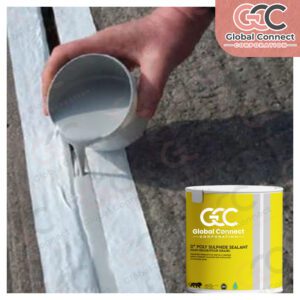
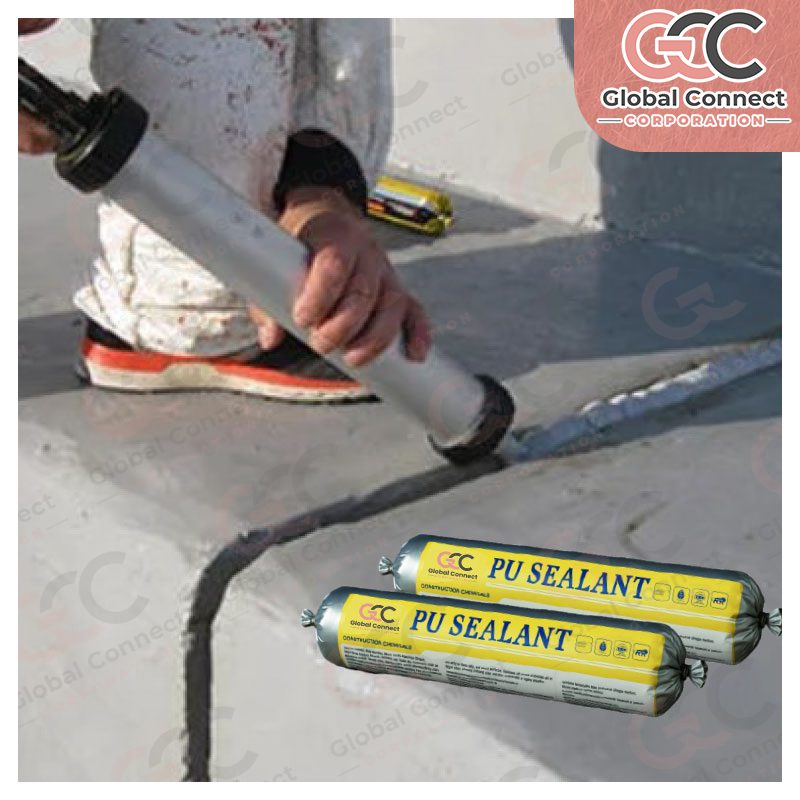
Polyurethane (PU) sealants deliver high performance for dynamic joint sealing, effectively accommodating major structural movements while resisting weather, chemicals, and abrasion. Ideal for applications on facades, terraces, window and door perimeters, water tanks, and pavement joints, these sealants maintain flexibility and strength to ensure watertight, durable, and visually clean joints through the structure’s lifespan.
Product Types: One- and two-component PU-based sealants for building and infrastructure expansion/contraction joints
Materials: Single-component cartridges, sausages (600ml), dual-component kits for large-scale use
Performance: Flexible with high movement accommodation; durable against UV, water, and chemicals; excellent adhesion to concrete, masonry, and metals
Compatibility: Exterior and interior joints—horizontal and vertical; precast panels; windows; doors; floors; facades; water-retaining structures
Special Features: Non-sag for vertical surfaces, low slump for horizontal; fast curing; paintable; weather and abrasion resistant
Packaging: 600ml sausages, 1kg/4kg kits, bulk pails
Application Areas: Building expansion joints, perimeter seals, pavement joints, water tanks, precast and curtain walls
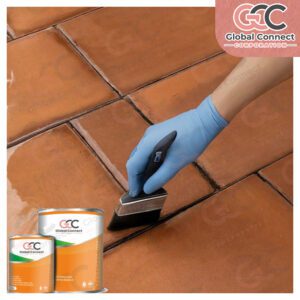
Application Methods: Manual and pneumatic guns; finishing with trowel or spatula
Standards Compliance: IS, ASTM C920, EN 15651, ISO 11600
Shelf Life: 9–12 months in sealed, cool, dry packaging
Frequently Asked Questions – Polyurethane Sealants
Why do automotive and industrial manufacturers prefer polyurethane sealants for assembly applications?
Polyurethane sealants combine strong adhesion with long-term flexibility, making them ideal for vehicle body assembly, metal fabrication, trailers, containers, and equipment that experiences continuous movement and vibration.
How do PU sealants perform on dissimilar materials like metal, aluminium, and concrete?
They are widely used where different materials expand and contract at different rates, helping maintain durable joints between concrete, steel, aluminium, timber, and composite panels.
Which projects generate the highest demand for polyurethane sealants?
Commercial façades, modular buildings, vehicle manufacturing, precast concrete, industrial warehouses, HVAC installations, marine equipment, and infrastructure projects continue to drive demand across Asia, the Gulf, Europe, and Africa.
Why are polyurethane sealants commonly used for expansion joints?
Their high elasticity allows joints to accommodate repeated movement caused by temperature changes, structural settlement, and vibration without losing adhesion.
Can PU sealants be painted after curing?
Yes. Many polyurethane sealants are compatible with paint systems, allowing contractors and manufacturers to achieve a uniform finished appearance after sealing.
How do installers achieve stronger adhesion without premature joint failure?
Proper surface cleaning, correct joint dimensions, using backer rods where required, and following recommended application practices help maximize sealant performance.
What should OEM buyers evaluate before selecting a polyurethane sealant?
Professional buyers typically compare movement capability, tensile strength, curing speed, paintability, weather resistance, substrate compatibility, and long-term durability before approving bulk procurement.
How do PU sealants help reduce maintenance costs for commercial buildings?
Durable weather sealing helps minimize water ingress, air leakage, and repeated joint repairs, allowing building owners to extend maintenance intervals and improve long-term building performance.
What trends are increasing demand for polyurethane sealants?
Growth in modular construction, electric vehicle manufacturing, prefabricated buildings, energy-efficient façades, and industrial assembly continues to increase demand across Asia, the Gulf, Europe, and Africa.
Why do contractors, OEM manufacturers, and distributors build long-term partnerships with GCC for polyurethane sealants?
GCC combines manufacturing excellence, product innovation, export-quality production, OEM and private-label manufacturing, and dependable global delivery to support contractors, manufacturers, distributors, and infrastructure projects across Asia, the Gulf, Europe, and Africa.